
Plants
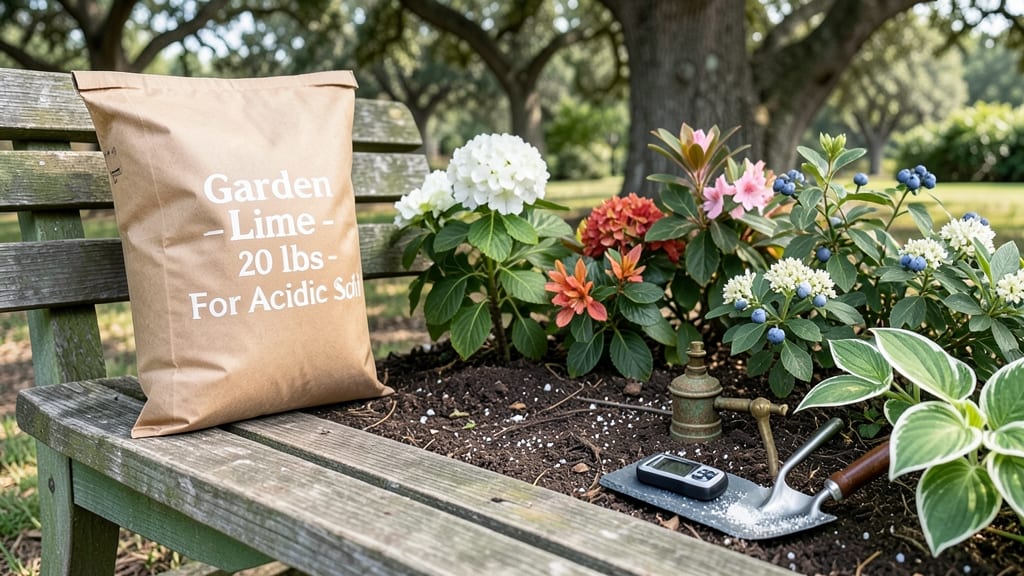
Garden plants that need lime thrive in alkaline soil (pH 7.0–8.5), including broccoli, cabbage, cauliflower, Brussels sprouts, and most vegetables like beans, peas, and corn. Acid-loving plants—like blueberries, azaleas, and rhododendrons—avoid lime entirely, as it raises soil pH beyond their needs.
When you add lime to your garden, you're essentially raising the soil's alkalinity to create the perfect growing conditions for certain crops. 🌱 Many vegetables—especially those in the brassica family—require this higher pH to access essential nutrients like calcium and magnesium.
For example, tomatoes and peppers prefer slightly acidic soil (around 6.0–7.0), while leafy greens like spinach and kale actually do better in neutral to alkaline conditions. The key is testing your soil first—most garden centers offer affordable pH test kits that take just minutes to use.
What's interesting is that lime isn't just about pH—it also provides critical nutrients. Dolomitic lime, for instance, contains both calcium and magnesium, while calcitic lime focuses solely on calcium.
For container gardens, I've found that mixing in finely ground oyster shells works wonders as a slow-release calcium source without drastically altering pH. Just remember: overdoing it can make your soil too alkaline, so always follow the recommended application rates for your specific plants.
💡 In This Article
- How Lime Adjusts Soil pH for Vegetable Gardens
- Best Lime-Based Soil Amendments for Different Plants
How lime adjusts soil pH for vegetable gardens
Lime works by chemically neutralizing acidic soil through a simple reaction: when crushed limestone (calcium carbonate) dissolves in water, it releases calcium ions and hydroxide ions.
These hydroxide ions combine with hydrogen ions in acidic soil, forming water and raising the pH. For example, if your soil tests at 5.5 (too acidic for most vegetables), adding 5 pounds of lime per 100 square feet can raise the pH to 6.5–7.0 over a few months.
This process is gradual because lime needs time to dissolve and react with soil particles.
The ideal pH range varies by plant: tomatoes and peppers thrive at 6.0–7.0, while broccoli and Brussels sprouts prefer 7.0–8.5. The difference comes down to nutrient availability—alkaline soils make calcium and magnesium more accessible to plants that need them, like leafy greens.
For instance, cabbage plants develop bitter flavors in acidic soil because they can't uptake enough calcium. 🌿 Testing soil pH before applying lime is critical; most home test kits use color-changing indicators to show pH levels within minutes.
What most gardeners don't realize is that lime also improves soil structure. The calcium ions help break up clay particles, creating better aeration and drainage. In heavy, compacted soils, this can mean the difference between waterlogged roots and healthy growth.
For raised beds, I recommend mixing lime into the top 6–12 inches of soil and watering thoroughly to activate the chemical reaction. The effects take 2–3 months to fully develop, so plan ahead if you're planting lime-loving crops in spring.
One common mistake is over-limeing, which can create a pH imbalance that locks out other nutrients like iron and manganese. For example, azaleas and blueberries need acidic soil (4.5–5.5) to access iron, but lime would make these nutrients unavailable.
Always match your soil amendments to the plants you're growing—this is why garden journals with planting records become invaluable over time.
For container gardens, the process is similar but requires more precise measurements. Since potting mixes have limited buffering capacity, a 1-inch layer of lime per cubic foot of soil is often sufficient for vegetables like beans and peas.
The key difference is that containers dry out faster, so lime should be mixed in during repotting rather than as a top dressing. This ensures even distribution and prevents localized pH spikes that could harm roots.
Here's a quick reference for common vegetable pH needs:
- Brassicas (broccoli, cabbage): 7.0–8.5 (lime recommended)
- Tomatoes, peppers: 6.0–7.0 (neutral to slightly acidic)
- Beans, peas: 6.0–7.5 (moderately alkaline-friendly)
- Carrots, onions: 6.0–7.0 (slightly acidic preferred)
The takeaway? Lime isn't just about raising pH—it's about creating the perfect nutrient balance for your specific plants. Start with a soil test, then apply lime gradually while monitoring your garden's response. 🌱