
Tools
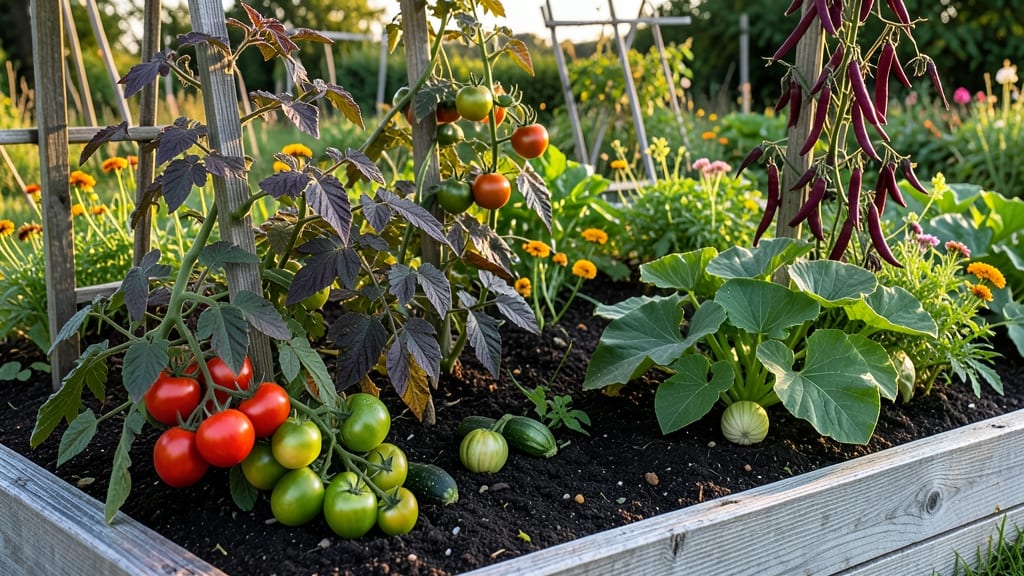
Grandma's garden pictures often feature timeless designs with lush flower borders, climbing vines on trellises, and fragrant perennials like peonies and hollyhocks. These layouts create cozy, functional spaces by using raised beds, winding paths, and seasonal blooms that transform with each month.
These classic garden designs rely on a few key principles that make them both beautiful and practical. 🌸 The layered approach—tall plants at the back, medium-height in the middle, and low-growing flowers in front—creates depth and visual interest while keeping maintenance manageable.
Pathways aren't just decorative; they guide visitors through the space and prevent soil compaction from foot traffic. Many grandma-style gardens also incorporate edible plants like herbs and vegetables, blending beauty with utility in a way that feels both nostalgic and modern.
The real magic happens in the details: choosing plants that thrive in your climate, using mulch to retain moisture, and selecting colors that complement your home's exterior. 🌿 For example, pairing purple clematis with white roses creates a soft, romantic look that's easy to maintain.
The key is balancing tradition with adaptability—whether you're working with a small urban patio or a sprawling backyard, these layouts can be scaled to fit any space.
💡 In This Article
- Design Principles Behind Classic Grandma’s Garden Layouts
- Adapting Grandma’s Garden Style to Modern Small Spaces
Design principles behind classic grandma’s garden layouts
At the heart of every nostalgic garden design lies the principle of layered planting, where each plant plays a specific role in creating depth and visual harmony.
The classic approach starts with tall structural plants—like hollyhocks or delphiniums—placed at the back of beds (typically 4-6 feet tall) to form a natural backdrop.
In the middle layer, medium-height perennials such as peony bushes (3-4 feet) or black-eyed Susans (2-3 feet) add volume and texture, while low-growing annuals like pansies or sweet alyssum (6-12 inches) spill over the front edges.
This vertical stratification mimics natural ecosystems, where sunlight reaches all plants while creating a balanced, three-dimensional effect.
The color theory in these gardens often follows a seasonal palette that ensures year-round interest.
Grandma-style gardens typically feature cool blues and purples (like lavender or salvia) in spring, transitioning to warm yellows and oranges (like marigolds or rudbeckia) in summer, and deep reds and burgundies (like asters or mums) in fall.
Evergreens like boxwood or hemlock provide winter structure, while dried seed heads (like those from coneflowers) add rustic texture. The key is using complementary colors—plants that sit opposite each other on the color wheel—to create contrast without clashing.
For example, pairing pink roses with blue salvia creates a soft, romantic look that feels timeless.
Pathways and edging serve dual purposes: they define spaces while solving practical problems. Traditional gardens use gravel, brick, or stepping stones for paths, which not only guide visitors but also prevent soil erosion from foot traffic.
The width of these paths—typically 18-24 inches—allows for comfortable movement while leaving ample planting space. Edging, often made from brick, metal, or low boxwood hedges, keeps mulch contained and prevents grass from encroaching on flower beds.
This precision in boundaries gives classic gardens their orderly, well-tended appearance, even when the plants themselves are slightly wild. 🌿
Vertical gardening is another hallmark of grandma-style layouts, where trellises, arbors, and obelisks transform walls and fences into living tapestries. Climbing roses, clematis, or morning glories trained on these structures add 3-10 feet of height to small spaces, creating dramatic focal points.
The secret to success here is choosing vines that match the structure's scale—delicate jasmine on a small trellis (6 feet) versus robust climbing roses on a 12-foot arbor.
Proper support isn't just aesthetic; it also protects plants from wind damage and ensures they grow upward rather than sprawling.
Finally, the sensory experience—fragrance, texture, and even sound—plays a crucial role. Grandma's gardens often incorporate plants with strong scents like lavender, roses, or honeysuckle, which attract pollinators while creating a welcoming atmosphere.
The contrast of smooth leaves (like hostas) against spiky foliage (like ornamental grasses) adds tactile interest, while rustling leaves and buzzing bees create a dynamic, living soundscape. These elements work together to make the garden feel like an extension of the home, not just a decorative addition.
What makes these designs so enduring is their flexibility—they can be adapted to any climate or space while maintaining their core charm.
Whether it's a small urban courtyard with hanging baskets or a half-acre rural plot with winding paths, the principles remain the same: layering, color coordination, and thoughtful use of space. The result is a garden that feels both nostalgic and entirely fresh, no matter how many years pass.