
Landscaping
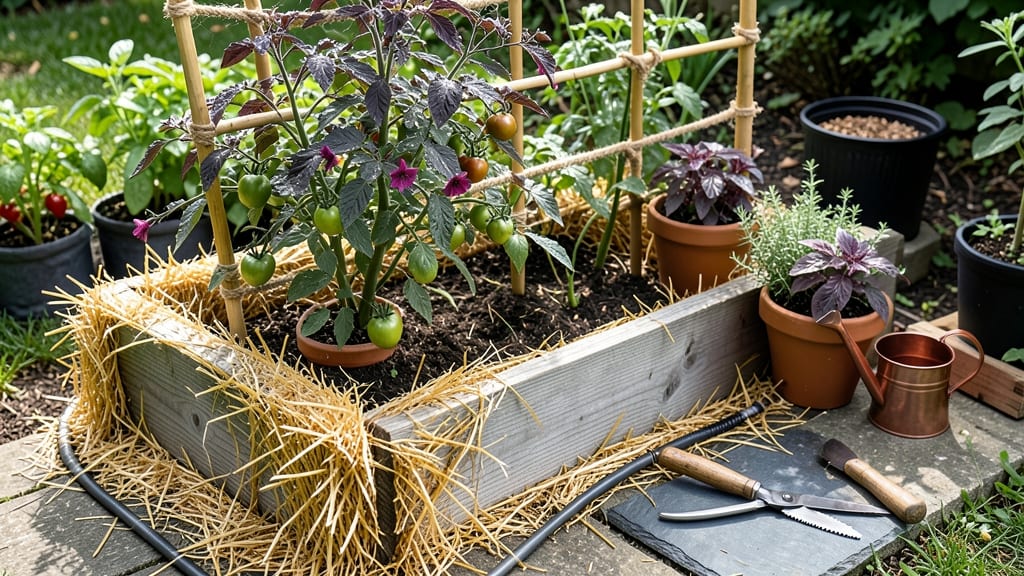
Small backyard vegetable garden design ideas maximize space by combining vertical layouts, raised beds, and companion planting to grow herbs, greens, and root vegetables efficiently in tight areas. Focus on sun exposure and nutrient-rich soil for best results.
Creating a productive vegetable garden in a small backyard starts with smart spatial planning.
Vertical gardening—using trellises, wall planters, or hanging pockets—lets you grow vining plants like cucumbers and beans without sacrificing floor space. 🌱 Raised beds are another game-changer, offering better drainage and soil control while allowing you to grow more plants per square foot.
For example, a 4'x8' raised bed can produce nearly twice as much as the same area in-ground, thanks to deeper root zones and fewer weeds.
Don't overlook companion planting either—pairing compatible plants (like basil with tomatoes or carrots with onions) naturally deters pests and boosts growth. This technique also helps you fit more varieties into limited space by optimizing vertical and horizontal relationships.
For instance, tall sunflowers can shade delicate lettuce while their roots improve soil structure.
💡 In This Article
- Vertical and Raised Bed Techniques for Compact Gardens
- Companion Planting Strategies for Space-Saving Harvests
Vertical and raised bed techniques for compact gardens
Vertical gardening transforms unused walls and fences into productive growing space by training vining plants like cucumbers, pole beans, and peas to climb. The key mechanism here is structural support—using sturdy trellises (made from wood, metal, or even repurposed ladders) to elevate plants off the ground.
This creates a 3D growing environment where you can fit 2-3 times more plants in the same footprint. For example, a 6-foot-tall trellis can support 10-12 cucumber plants vertically, while the same space would only accommodate 3-4 plants if grown horizontally.
Raised beds take space efficiency further by eliminating the need to till compacted soil while giving roots deeper access to nutrients. The ideal depth for most vegetables is 10-12 inches, which allows root crops like carrots and radishes to grow fully without hitting hardpan.
Materials matter too—cedar and redwood resist rot, while composite lumber offers durability without chemicals. Drainage is critical: raised beds should have holes in the bottom or sit on a 4-inch gravel base to prevent waterlogging, which can stunt root growth by cutting off oxygen.
What makes these methods work so well together? Vertical structures free up ground space for broadleaf plants like lettuce or herbs in the raised bed's base layer. This layered approach mimics natural forest ecosystems where different plants occupy various heights.
For instance, you might place tall sunflowers at the back of a raised bed, medium-height basil in the middle, and shallow-rooted radishes up front—all while using the trellis above for climbing beans.
Soil quality becomes even more important in raised beds because you're working with a controlled environment. A 6-inch layer of compost mixed into the top 12 inches provides essential microbes that break down organic matter into plant-available nutrients.
The result? Plants grow 30-50% faster than in regular garden soil, and you can grow crops year-round in climates with mild winters by using insulated raised beds filled with straw for winter protection.
For maximum efficiency, consider modular raised beds that can be rearranged seasonally. For example, a 4'x8' bed can be divided into four 2'x4' sections, each dedicated to a different plant family (solanaceae for tomatoes, brassicas for kale, etc.).
This rotation prevents soil depletion and reduces pest buildup. The modular design also lets you move beds to follow the sun's path as seasons change, extending growing periods by 2-4 weeks at both ends of the season.
Don't overlook the sensory benefits either. Vertical gardens bring fresh herbs within arm's reach for cooking, while raised beds create a microclimate that's 5-10°F warmer in spring and cooler in summer than the surrounding ground.
This means you can plant earlier in spring and later in fall, effectively adding 30-45 days** to your growing season without extra space.