
Tools
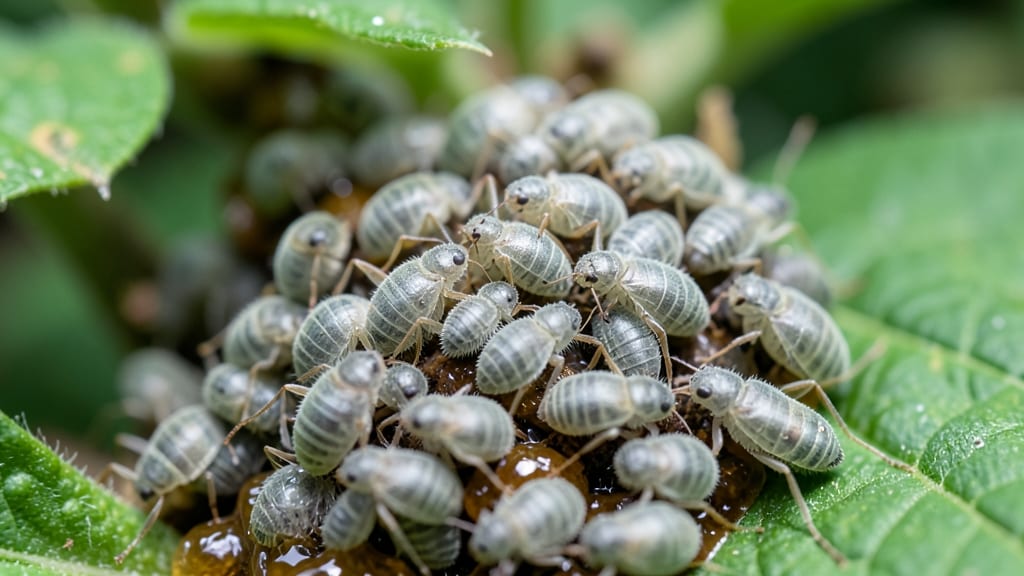
Gray bugs in your garden might seem like an unwelcome sight, but many of these tiny creatures are actually your plants' secret protectors.
Seeing them scurry across your soil or leaves could make you reach for the bug spray—but what if I told you some of these 7-legged helpers are the reason your garden thrives?
From devouring aphids to aerating the soil, these beneficial insects play a crucial role in keeping your plants healthy. Before you intervene, let’s learn how to tell the good guys from the pests.
Identifying these gray bugs is the first step to making smarter decisions in your garden. Whether it’s lacewing larvae, ground beetles, or ladybugs, each one has a unique job that supports your plants. By understanding their habits and appearances, you can create a garden ecosystem where these helpers flourish naturally.
In this guide, I’ll walk you through how to spot these beneficial bugs, how they protect your garden, and when it’s actually time to step in—plus, practical tips to attract more of them. Let’s turn those gray bugs into your garden’s best defense!
Identifying 7 common gray garden bugs that benefit your plants
Spotting gray insects in your garden doesn’t always mean trouble. Many beneficial gray bugs actively protect your plants by munching on pests like aphids, mites, and caterpillars. Before you grab the spray bottle, learn to recognize these helpful gray garden allies—they’re far more valuable than you think!
These gray garden insects often go unnoticed because they blend into foliage or soil. But their roles—from aphid predation to soil aeration—make them essential for a thriving garden. Let’s explore seven gray bugs that should never be squashed.
| Bug Name | Appearance | Key Benefit | Lifecycle |
|---|---|---|---|
| Ladybug Larvae | Spiky, elongated, grayish-black with orange spots | Devours hundreds of aphids daily | 4-6 weeks (egg to adult) |
| Lacewing Larvae | Gray-green with spiky bodies and sickle-shaped jaws | Feeds on soft-bodied pests like spider mites | 3-4 weeks (egg to adult) |
| Ground Beetles | Shiny, gray-brown oval bodies with long legs | Hunts cutworms, slugs, and beetle larvae at night | 1 year (adults live multiple seasons) |
| Hoverfly Larvae | Grayish-black with a segmented, worm-like body | Eats aphids and whiteflies voraciously | 2-3 weeks (egg to adult) |
| Damsel Bugs | Slender, grayish-brown with long legs and piercing mouthparts | Preys on aphids, mites, and small caterpillars | 6-8 weeks (egg to adult) |
| Rove Beetles | Small, grayish with short elytra (wing covers) | Controls soil-dwelling pests like grubs | 1 year (adults overwinter) |
| Spined Soldier Bug | Grayish-brown with a spiny thorax and long legs | Feeds on caterpillars and beetle larvae | 1 year (adults live multiple seasons) |
One of the easiest ways to identify gray bugs is by their movement and habitat. For example, lacewing larvae move slowly and hang from leaves, while ground beetles are fast runners that hide under mulch or rocks during the day.
Look for these behavioral clues to confirm their identity before assuming they’re pests.
If you’re still unsure, examine their mouthparts. Predatory bugs like ladybug larvae have chewing mouthparts, while parasitic ones (like some wasps) have long, needle-like ones. Beneficial gray bugs rarely harm plants—they’re too busy keeping pests in check!
Another tip: gray bugs often appear in early spring when aphid populations explode. If you see clusters of these insects on new growth, they’re likely hoverfly larvae or lacewings, both of which are aphid-eating machines. Let them work their magic!
To further distinguish beneficial gray bugs from pests, check their body shape and texture. Harmful insects like gray fungus gnats are delicate and fuzzy, while ground beetles have hard, shiny exoskeletons. Shiny gray bugs are almost always beneficial—they’re built for speed and strength!
Pro tip: Use a hand lens or magnifying glass to inspect their legs and antennae. Beneficial bugs often have long, segmented antennae and six legs (not eight like spiders). This simple trick helps you avoid accidentally killing allies while targeting pests.
Remember, gray garden bugs play critical roles in your ecosystem. By learning to identify them correctly, you’ll create a self-sustaining garden that thrives without harsh chemicals. Next time you spot a gray insect, pause and observe—it might just be your garden’s newest protector!
How these gray bugs protect your plants naturally (and how to attract more)
Gray bugs might seem like unwelcome guests, but many of these 7-legged helpers perform critical ecosystem services in your garden. Ground beetles and lacewing larvae hunt aphids and caterpillars while also aerating soil. Their presence means your plants have natural pest control working around the clock—no chemicals required!
Instead of swatting them away, learn how to create a welcoming habitat for these beneficial insects. Simple changes like leaving leaf litter, adding native flowering plants, or installing a bug hotel can turn your garden into a haven for these aphid-eating allies.
The key is understanding their preferred environments and providing them.
- 1. Aphid Predation: Lacewings and ladybug larvae consume hundreds of aphids daily, protecting young plants from sap-sucking damage.
- 2. Soil Aeration: Ground beetles dig through soil, breaking up compacted earth and improving root oxygen flow.
- 3. Pollination: Some gray beetles and wasps help cross-pollinate flowers while foraging for food.
- 4. Decomposition: Rove beetles speed up organic matter breakdown, enriching soil with nutrients.
- 5. Natural Pest Control: Spiders (gray varieties) regulate mosquito and fly populations without harming plants.
To attract more of these gray garden guardians, start with companion planting. Pair your veggies with dill, fennel, or yarrow—these plants release scents that ground beetles love. A shallow dish of water with a few pebbles for perching also works wonders for lacewings during dry spells.
Avoid broad-spectrum pesticides—even "organic" ones like neem oil can harm these beneficial insects. Instead, use targeted sprays (like soapy water for soft-bodied pests) only when absolutely necessary. Your gray bug allies will thank you by keeping your garden thriving!
For maximum impact, create a wildlife-friendly border around your garden beds. Plant native wildflowers and clover to provide both food and shelter. Even a small patch of unmowed grass can become a beetle breeding ground—just leave it until late fall.
Remember: These gray garden helpers aren't just good neighbors—they're your plant's first line of defense. With a few simple adjustments, you can turn your garden into a self-sustaining ecosystem where nature does the hard work for you. 🌱