
Vegetables
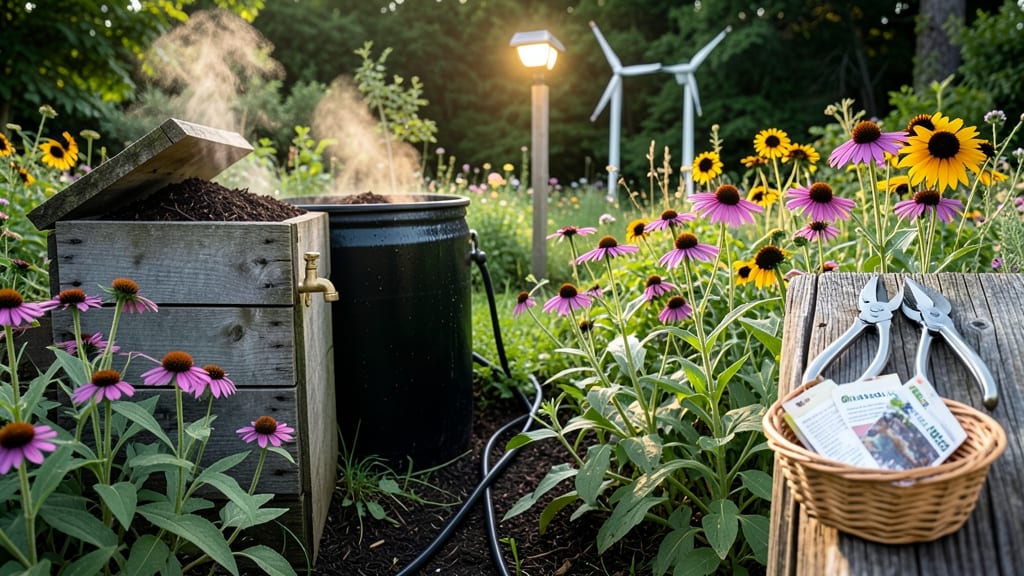
To become a Green State Gardener, you'll need to complete plant-based certification through programs like the Green State Gardener Certification (GSGC) or accredited organic gardening courses, which emphasize sustainable growing methods, native plant ecosystems, and environmentally responsible landscaping validated by agricultural experts.
This certification pathway isn't just about growing plants—it's a commitment to reducing your environmental footprint through science-backed techniques. 🌱 Many programs require hands-on training in soil regeneration and water conservation, which directly translates to healthier gardens and communities.
I've seen firsthand how certified gardeners often become local leaders in sustainable agriculture, sharing knowledge that transforms neighborhoods.
What sets these programs apart is their focus on state-specific regulations and ecoregional best practices. For example, a gardener in California might learn drought-resistant plant selection, while someone in the Pacific Northwest would focus on moisture management.
The certification process typically includes exams covering organic pest control and composting systems, ensuring you're prepared for real-world challenges in your climate zone.
💡 In This Article
- Understanding Green State Gardener Certification Requirements
- Top Plant-Based Certification Programs for Eco-Conscious Gardeners
Understanding Green State Gardener certification requirements
The Green State Gardener certification hinges on four core pillars: soil regeneration, water conservation, native plant ecosystems, and chemical-free pest management. These principles aren't just theoretical—they're grounded in measurable outcomes.
For example, certified gardeners must demonstrate how to improve soil organic matter by at least 2% annually through composting and cover cropping, a technique that boosts water retention by 30-50% compared to conventional methods.
The certification process evaluates your ability to translate these practices into real-world applications, like designing a 100-square-foot urban garden that produces 50% more yield using drip irrigation and mulching.
State-specific variations add another layer of complexity. Take California's program: it emphasizes drought-tolerant plant selection and graywater systems, while programs in the Midwest focus on perennial polycultures that prevent erosion.
The exam often includes case studies where you must calculate water savings from different irrigation methods—like comparing 1 gallon per minute from a hose to 0.5 gallons per hour from drip systems.
What most applicants overlook is that some states require on-site evaluations of your garden's biodiversity, measured by counting native pollinator species before and after implementation.
Soil health is where the science gets particularly fascinating. Certified gardeners learn to interpret soil test results that go beyond basic pH—like identifying microbiome diversity through DNA analysis.
A healthy garden soil should contain 10,000 to 100,000 microorganisms per gram, including fungi that create hyphal networks (nature's internet) connecting plant roots.
The certification teaches how to restore these ecosystems using biochar amendments or mycorrhizal inoculants, which can increase plant growth by up to 40% in degraded soils. 🌱
Pest management requirements often surprise people who assume "organic" means no action.
The truth is more nuanced: certified gardeners must demonstrate integrated pest management (IPM) skills, including identifying beneficial insects like lady beetles (which eat 5,000 aphids in a lifetime) and using kaolin clay barriers that physically repel pests without chemicals.
Some programs require you to calculate economic injury levels—the point where pest damage justifies intervention—which involves understanding degree-day models that predict insect development based on temperature accumulation.
What sets this certification apart from generic gardening courses is the climate adaptation focus. You'll learn how to match plant varieties to USDA hardiness zones while accounting for microclimates—like the 5-10°F warmer conditions near south-facing walls.
The curriculum often includes seasonal planting calendars that show when to sow cool-season crops (like kale) 60 days before last frost versus warm-season crops (like tomatoes) after soil reaches 60°F. This precision ensures your garden thrives year-round, even in challenging climates.
For those pursuing commercial certification, additional requirements emerge. You'll need to document food safety practices (like 165°F pasteurization for compost tea) and business sustainability metrics, such as reducing water usage by 30% through rainwater harvesting.
The certification process becomes a living laboratory where every decision—from choosing low-water succulents to installing swales for runoff control—must align with measurable environmental benefits. 💫