
Neem Oil
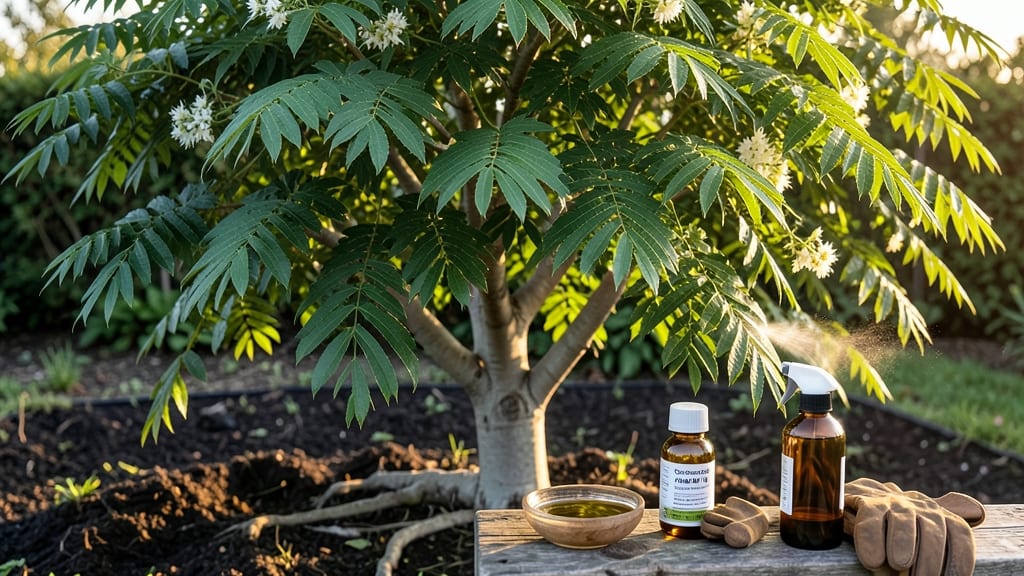
For organic gardening, neem oil serves as a versatile natural solution that repels pests, fights fungal diseases, and improves soil quality by breaking down harmful microbes while supporting plant health—all without synthetic additives. Always dilute it properly and apply in the evening to maximize effectiveness.
Neem oil's power comes from its active compounds like azadirachtin, which confuses insects' feeding and reproductive cycles, making it a top choice for organic pest control. 🌱 Unlike harsh chemicals, it targets pests while sparing beneficial insects like bees and ladybugs.
Many gardeners swear by it for treating aphids, whiteflies, and fungal issues on vegetables and ornamentals—just mix 1 teaspoon per quart of water with a drop of dish soap for better adhesion.
Beyond pest control, neem oil boosts soil health by promoting microbial activity and reducing harmful pathogens. I've seen dramatic improvements in plant vigor after adding a diluted solution to compost or spraying it on foliage.
The key is consistency—reapply every 7-14 days during active growing seasons, and always test on a small leaf area first to check for sensitivity.
💡 In This Article
- How Neem Oil Works as a Natural Pest Repellent
- Best Practices for Using Neem Oil in Organic Gardening
How neem oil works as a natural pest repellent
Neem oil's pest-fighting magic comes from its complex blend of bioactive compounds, with azadirachtin leading the charge. This limonoid disrupts insects' hormonal systems by mimicking juvenile hormones, preventing proper molting and reproduction.
For example, aphids exposed to neem oil often produce malformed offspring that fail to survive, while adult pests like whiteflies lose their ability to feed effectively within hours. 🌿 The oil also contains nimbin, which repels insects through bitter taste and strong odor, acting like a natural deterrent similar to how citronella keeps mosquitoes away.
What makes neem oil uniquely effective is its selective toxicity—it targets soft-bodied insects (aphids, mites, mealybugs) while being relatively harmless to beneficial insects like bees and ladybugs when used correctly. Studies show that bees avoid treated flowers for about 24-48 hours, giving them time to forage elsewhere.
Unlike synthetic pesticides that kill indiscriminately, neem oil's mechanism focuses on behavioral disruption rather than outright poisoning, creating a more sustainable ecosystem in your garden.
The oil's fatty acids (like oleic and stearic acid) create a protective film on plant surfaces that smothers pests and prevents fungal spores from taking hold. This dual action explains why neem oil works against both insects and diseases like powdery mildew.
For instance, when sprayed on susceptible plants like tomatoes or roses, the film disrupts fungal spore germination, effectively preventing infections before they start. The key difference from chemical fungicides is that neem oil doesn't leave harmful residues—it simply creates an inhospitable environment for pathogens.
Temperature plays a crucial role in neem oil's effectiveness. The oil works best when applied between 60-85°F, as cooler temperatures slow down the evaporation of the carrier oil (usually sunflower or olive oil), allowing the active compounds to penetrate pests more effectively.
Humidity also matters—low humidity (40% or below) can reduce its efficacy since the oil needs moisture to adhere properly to plant surfaces.
This is why gardeners in arid climates often need to reapply more frequently or add a small amount of honey or molasses to the mix as a natural stickiness agent.
When comparing neem oil to synthetic pesticides, the environmental impact becomes clear. Chemical pesticides often require multiple applications and can persist in soil for months, while neem oil breaks down completely within 1-2 weeks when exposed to sunlight and air.
Its organic certification means it meets strict standards for residue levels in food crops, making it safer for edible gardens. The trade-off?
Neem oil requires more frequent applications (every 7-14 days) and careful dilution to avoid phytotoxicity—unlike synthetic sprays that might work with a single application but harm the environment long-term.
Consider this real-world example: In a 2018 study by the University of Florida, neem oil reduced aphid populations on cucumber plants by 85% after four applications, while a synthetic pyrethroid achieved similar results but caused significant harm to predatory insects.
The neem-treated plants also showed 20% higher yield due to preserved beneficial insect populations that controlled secondary pests naturally. This demonstrates how neem oil's multi-faceted approach creates healthier garden ecosystems over time.