
Planting
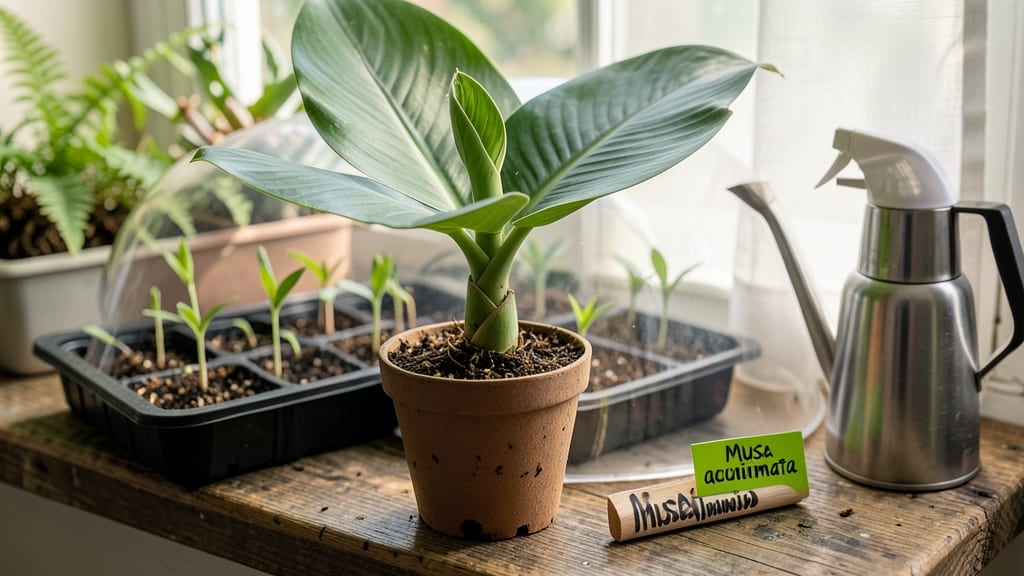
Growing a garden banana seed 🍌 into a thriving plant is the ultimate tropical gardening challenge—and the payoff is worth every bit of patience.
Picture this: a three-year journey where a tiny seed transforms into a towering, banana-laden giant, right in your backyard (or even a large container). While it’s not a quick fix, the process is surprisingly straightforward once you know the tricks—like mimicking the warm, humid conditions of its native habitat.
You’ll learn how to coax those first sprouts from the seed, balance sunlight and moisture without drowning the roots, and spot the early signs of a future fruit-bearing plant.
Even in temperate zones, with the right care, you can coax a garden banana to thrive—and maybe even taste your own homegrown harvest.
By the end of this guide, you’ll have a step-by-step roadmap to turn that seed into a 6-foot tropical stunner in just three years. Ready to get started?


How to germinate garden banana seeds for maximum success
Growing a garden banana (Musa spp.) from seed is an exciting journey that begins with proper germination. Unlike store-bought bananas, which rarely sprout, seeds from organic bananas or specialty garden varieties have the potential to grow into thriving plants.
The key to success lies in recreating their tropical environment—warmth, moisture, and patience. With the right approach, you can coax those tiny seeds into vigorous seedlings ready for transplanting in just a few weeks.
Before you begin, gather your supplies: banana seeds (cleaned and dried), a seed-starting mix, small containers with drainage, and a warm spot. Garden bananas thrive in humid, warm conditions, so we’ll mimic those early on.
Unlike fast-sprouting veggies, banana seeds can take 4-12 weeks to germinate, so consistency is crucial. Let’s dive into the step-by-step process to ensure your seeds don’t rot or languish in slow sprouting.
Step-by-Step Germination Guide
-
Step 1: Prepare Your Seeds
Clean seeds thoroughly by soaking in lukewarm water for 24 hours to soften the outer layer. Rub gently with sandpaper to scratch the seed coat—this mimics natural weathering and helps water penetrate. Rinse and let them dry for 1-2 days before planting. -
Step 2: Choose the Right Soil Mix
Use a light, airy seed-starting mix (50% peat moss, 30% perlite, 20% coconut coir). Avoid garden soil—it’s too dense and can cause rot or fungal issues. Fill small containers (3-4 inches deep) with the mix, leaving ½ inch from the top for watering. -
Step 3: Plant the Seeds
Place 1-2 seeds per container, pressing them ½ inch deep into the soil. Label each container with the planting date—this helps track germination progress. Cover with a clear plastic dome or plastic wrap to retain moisture and warmth, mimicking a greenhouse effect. -
Step 4: Create Ideal Germination Conditions
Keep containers in a warm spot (75-85°F), like on top of a fridge or under a heat mat. Place them in bright, indirect light (no direct sun yet). Maintain consistent moisture by misting daily or using a spray bottle—never let the soil dry out, but avoid waterlogging. -
Step 5: Monitor and Thin Seedlings
Check for sprouts in 2-4 weeks. Once the first true leaves appear (not the initial seed leaves), thin to the strongest seedling per container. Remove weaker sprouts at the base to avoid competition. Increase light gradually to prevent leggy growth. -
Step 6: Transition to Stronger Light
After 4-6 weeks, move seedlings to a south-facing window or under grow lights (12+ hours/day). Harden off seedlings by placing them outdoors for 1-2 hours daily in indirect sunlight before full transplanting.
One of the biggest mistakes beginners make is overwatering or using cold soil, which can lead to rot. Garden bananas are tropical plants, so consistent warmth and humidity are non-negotiable.
If your seeds take longer than 12 weeks to sprout, don’t panic—some seeds are naturally slow. A germination heat mat can speed up the process if your home stays cool.
Once your seedlings reach 4-6 inches tall with 2-3 true leaves, they’re ready for transplanting into larger pots or the ground. Choose a well-draining, slightly acidic soil (pH 5.5-6.5) and a location with full sun (6+ hours daily).
Remember, garden bananas grow tall and fast, so give them space—at least 6 feet in diameter for mature plants.
Pro tip: If you’re in a cooler climate (USDA Zones 8-9), start seeds indoors in late winter and transplant after the last frost. Use black plastic mulch to warm the soil and protect young plants from temperature swings.
With patience and the right conditions, your garden banana seeds will reward you with lush foliage and eventually, sweet fruit in just a few years!
🌱
💧
🌿
Best growing conditions for garden banana plants in containers or ground
Garden bananas (Musa spp.) thrive in tropical or subtropical climates where temperatures stay consistently warm year-round. These plants are not frost-tolerant and will suffer damage below 50°F (10°C), making them ideal for USDA Zones 10-12.
If you live in cooler regions, grow them in large containers that you can move indoors during winter or use a greenhouse for protection.
For optimal growth, garden bananas need 6-8 hours of direct sunlight daily. They perform best in full sun but can tolerate partial shade in extremely hot climates. In containers, place them near a south-facing window or under grow lights for 12+ hours if indoors.
Without enough light, your plant will grow tall and leggy with fewer leaves and no fruit.
These tropical plants love moist, well-draining soil with a slightly acidic pH (5.5-6.5). A mix of 50% garden soil, 30% compost, and 20% perlite works well for both in-ground and container planting.
Avoid heavy clay soils, as they can cause root rot due to poor drainage. Mulching around the base helps retain moisture and keeps roots cool in hot climates.
Watering is critical for garden bananas. They require deep watering every 2-3 days during the growing season, increasing to daily in extreme heat. In containers, water every 1-2 days since pots dry out faster.
Always water in the morning to reduce evaporation and fungal risks. Overwatering is just as harmful as underwatering—yellowing leaves or drooping fronds are signs of overwatering, while crispy edges indicate drought stress.
Container vs. In-Ground Planting
Containers
- Pros: Portable, protects from frost, easier to control soil quality
- Cons: Dries out faster, limited root space, requires larger pots (15+ gallons)
In-Ground
- Pros: More root space, natural moisture retention, lower maintenance
- Cons: Vulnerable to frost, harder to control soil, requires digging
🌱 Tip: If planting in-ground, choose a sheltered spot to protect from cold winds.
Fertilizing garden bananas is essential for fruit production. Use a balanced 10-10-10 fertilizer every 4-6 weeks during the growing season, switching to a high-potassium (5-10-10) fertilizer when you notice flowering.
In containers, fertilize every 2-3 weeks with a half-strength liquid fertilizer to avoid salt buildup. Always fertilize in the early morning to prevent leaf burn from heat stress.
With the right conditions—warmth, sunlight, and consistent moisture—your garden banana can grow into a stunning tropical plant that produces edible fruit in just 3 years.
Whether you choose containers for mobility or in-ground planting for stability, these plants reward patience with lush foliage and sweet bananas straight from your garden! 🍌