
Container Gardens
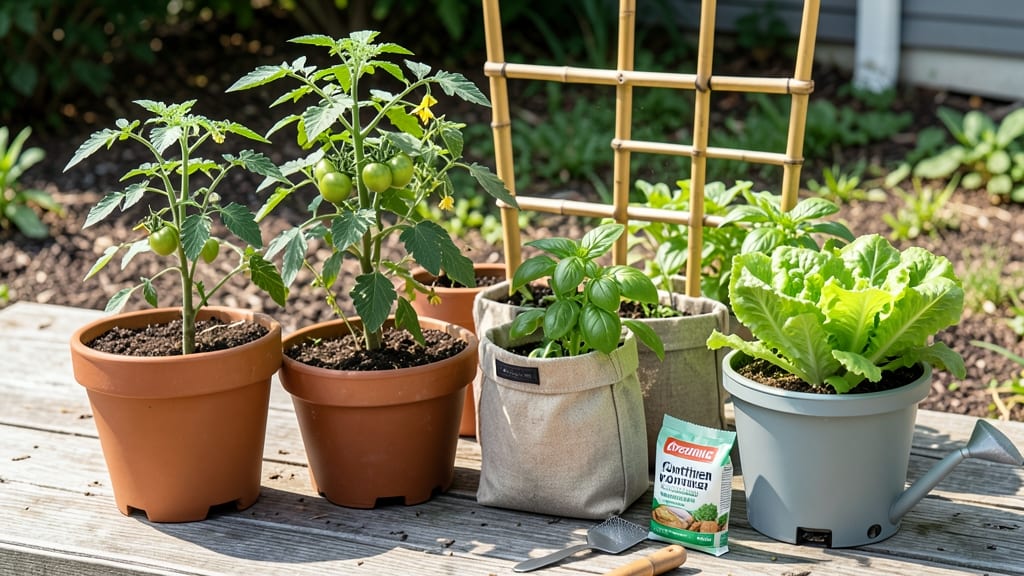
To grow a vegetable garden in pots, choose space-efficient plants like leafy greens, radishes, or cherry tomatoes, use lightweight containers with drainage, and fill them with nutrient-rich potting mix. Consistent moisture and 6+ hours of sunlight daily maximize your harvest potential.
Container gardening transforms small spaces into productive growing areas by focusing on plants that thrive in confined root zones. 🌱 The key is matching plant size to pot depth—shallow-rooted herbs like basil or thyme need just 6-8 inches, while tomatoes require deeper 12-inch containers.
I've found that self-watering pots help maintain consistent moisture, which is critical since container soil dries out faster than ground soil. Starting with disease-resistant varieties also reduces common pot-garden challenges like blight or root rot.
Another advantage of container growing is the ability to move plants based on sunlight needs—most vegetables need at least 6 hours of direct sun daily, though some like lettuce tolerate partial shade.
For best results, rotate pots weekly to ensure even growth, and always use a high-quality potting mix with perlite or vermiculite for proper aeration. This setup lets you grow fresh produce even on balconies or patios where traditional gardening isn't possible.
💡 In This Article
- Best Vegetables for Container Gardening
- Container Selection and Soil Essentials for Pot Gardens
Best vegetables for container gardening
The secret to successful container gardening lies in matching plant characteristics to pot constraints. Shallow-rooted vegetables like lettuce and radishes thrive in 6-inch-deep containers because their roots rarely exceed 6-8 inches in length.
These greens grow quickly—radishes mature in just 3-4 weeks—making them perfect for small-space harvests. 🌱 Meanwhile, compact fruiting plants like cherry tomatoes or bush beans need deeper 12-inch pots to support their root systems and produce fruit without becoming root-bound.
Sunlight requirements vary dramatically between varieties. Leafy greens like spinach or kale tolerate 4-6 hours of sunlight daily, while fruiting plants need 6-8 hours. The difference comes down to photosynthesis efficiency—tomatoes require more energy to produce fruit than lettuce needs for leaf growth.
I've noticed that herbs like basil and parsley fall in the middle, needing 6+ hours but handling partial shade better than tomatoes. This flexibility makes them ideal for urban balconies where direct sun exposure fluctuates.
Growth habit matters just as much as size. Trailing plants like nasturtiums or bush cucumbers need wider containers (at least 12-15 inches in diameter) to accommodate their sprawling vines, while upright varieties like Swiss chard or dwarf peppers can thrive in narrower 8-inch pots.
The key is observing how plants naturally spread—root systems expand horizontally as much as vertically, so wider pots prevent root competition. For example, a single pepper plant can produce 10+ peppers in a 12-inch pot, while the same plant in a 6-inch container would struggle to support its yield.
Don't overlook the importance of growth speed in container gardening. Fast-maturing vegetables like bush beans (50-60 days to harvest) or green onions (60 days) allow for multiple harvests in a single season.
This sequential planting strategy maximizes your container space by replacing early crops with new plantings as soon as they're harvested. The trade-off? Slower growers like carrots or beets need 70+ days and require deeper pots (12+ inches) to accommodate their taproots.
Herbs often get overlooked in container gardens, but they're some of the most rewarding plants for small spaces. Basil, for instance, grows to 12-18 inches tall but stays compact when pruned regularly.
Its leaves are rich in essential oils that develop best with full sun exposure, making it perfect for sunny patios. The aromatic compounds in herbs also naturally repel pests, reducing the need for chemical interventions in your container garden ecosystem. 🌿
When selecting varieties, always check seed packets for "container-appropriate" labels—these indicate plants bred specifically for limited root zones. For example, 'Tiny Tim' tomatoes produce 1-pound fruits on plants that stay under 2 feet tall, while regular tomato varieties can reach 5-6 feet.
This dwarf trait translates directly to smaller pots and higher success rates in container environments.
Pro tip: Consider vertical growing options for vining plants. Trellises or cages in 12-inch-deep containers can support cucumbers or pole beans while keeping their sprawling habits contained. This not only saves space but also improves air circulation around the plants, reducing disease risks—a common challenge in crowded container gardens.
The result? Healthier plants that produce more consistently than their ground-grown counterparts. ✨