
Advice
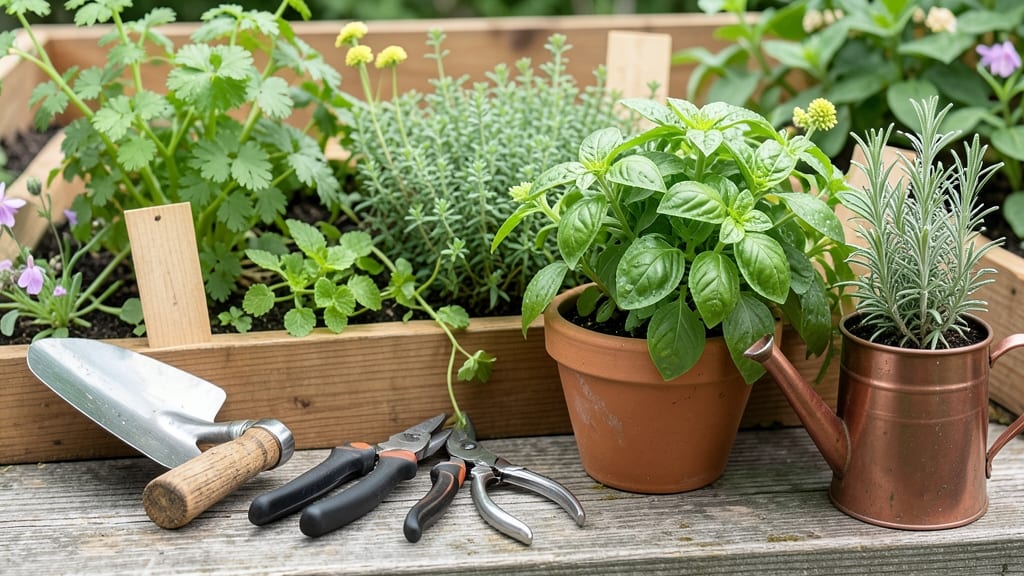
Herbs gardening thrives with fast-growing varieties like basil, cilantro, and parsley, which sprout within 10-20 days when planted in well-draining soil and full sun. Start seeds indoors 4-6 weeks before the last frost for optimal growth and harvest within 30-60 days for most types.
Fast-growing herbs are perfect for beginners because they reward patience with quick results. 🌱 The secret lies in their shallow root systems and love for consistent moisture—think of them as the "set it and forget it" plants of the gardening world.
I've found that herbs like basil and dill actually prefer warmer soil temperatures, so waiting until after the last frost date (usually late spring) gives them the best start. Container gardening works beautifully for these speedy growers, letting you control soil quality and drainage perfectly.
What's even better is how these herbs fit into everyday cooking. Fresh basil harvested in 30 days transforms homemade pesto, while cilantro ready in 25 days brightens up salsas and tacos.
The key is consistency—water when the top inch of soil feels dry, and watch those seedlings pop up faster than you can say "harvest time."
💡 In This Article
- Why Fast-Growing Herbs Succeed in Home Gardens
- Best Herbs for Beginners and Their Planting Timelines
Why fast-growing herbs succeed in home gardens
Fast-growing herbs dominate home gardens because of their rapid germination rates—some varieties like cilantro and parsley sprout in just 5-10 days under ideal conditions. The secret lies in their shallow root systems, which allow them to absorb moisture and nutrients quickly from the topsoil layer.
Unlike deep-rooted vegetables, these herbs don't need extensive soil depth, making them perfect for containers or small garden plots where space is limited. 💫
Sunlight and temperature play critical roles in their success. Most fast-growing herbs thrive in 6-8 hours of direct sunlight daily, with soil temperatures between 60-75°F triggering faster germination.
For example, basil seeds germinate best when soil stays above 70°F, which is why starting them indoors 4-6 weeks before last frost gives them a head start.
The shallow roots also mean they dry out faster, so consistent moisture (but not soggy soil) is key—think of them as thirsty but delicate houseplants.
Climate zones dramatically affect planting windows. In cooler regions (zones 3-5), herbs like dill and chives often wait until late May or June for optimal growth, while warmer zones (7-10) can start planting as early as February or March.
The rule of thumb? Plant when daytime temperatures consistently stay above 50°F—this ensures roots establish before heat stress sets in. 🔥
Another advantage is their compact growth habit. Herbs like thyme and oregano spread horizontally rather than vertically, making them ideal for edging garden beds or filling gaps between taller plants.
Their quick growth cycle (typically 30-60 days to harvest) also means you can enjoy fresh flavors without waiting months, unlike slower-growing vegetables. This makes them perfect for urban gardeners with limited space or busy schedules.
What most gardeners don't realize is how these herbs' rapid growth actually benefits the soil. Their shallow roots break up compacted topsoil, improving aeration and water penetration for subsequent plantings.
Plus, their quick turnover means you can succession plant—sow new seeds every 2-3 weeks for a continuous harvest throughout the growing season. 🌱
For best results, mix in compost or aged manure before planting to provide nutrients without overwhelming the delicate root systems. These herbs prefer well-draining soil with a pH between 6.0-7.0, which mimics their natural Mediterranean and temperate climates.
The combination of fast germination, shallow roots, and adaptability to containers makes them the ultimate beginner-friendly garden plants.