
Companion Plants
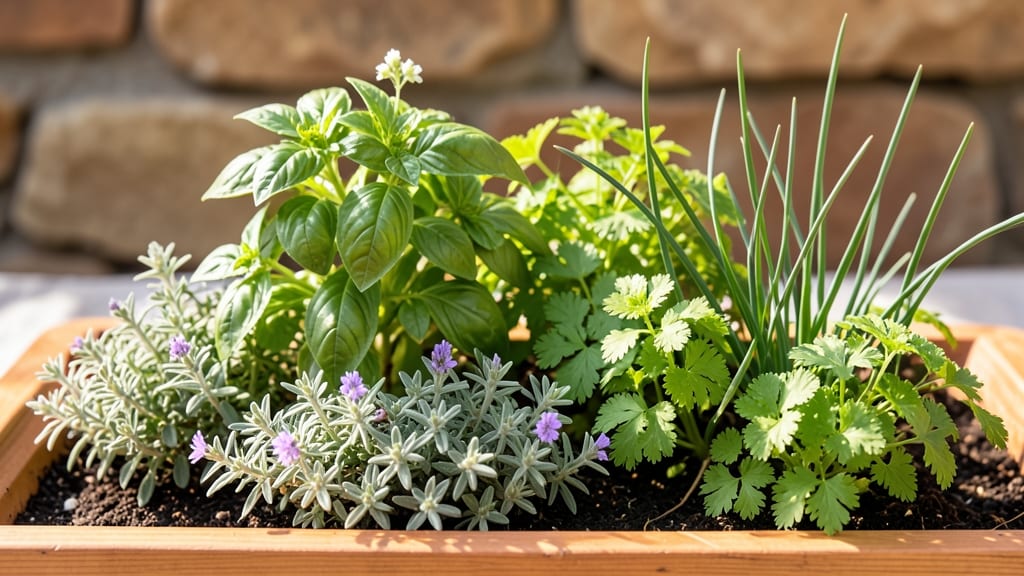
Good little garden plants include fast-growing varieties like sweet alyssum, creeping thyme, and dwarf marigolds, which thrive in partial shade, attract pollinators, and require minimal maintenance for small spaces or borders.
These compact plants are perfect for busy gardeners because they grow quickly and handle less-than-ideal conditions with ease. 🌱 Sweet alyssum, for example, blooms in just 6-8 weeks and spreads gently to fill gaps, while creeping thyme forms dense mats that suppress weeds naturally.
Their ability to thrive in partial shade makes them ideal for under trees or along north-facing walls, where many other plants struggle. Plus, their bright flowers provide essential nectar for bees and butterflies, turning even small patches into pollinator hotspots.
For container gardens or tight borders, these varieties pack a big punch with minimal space. I've found that dwarf marigolds, in particular, deter pests while adding vibrant color—making them a triple threat for small gardens.
The key is choosing plants that match your light conditions and maintenance style, so you can enjoy a lush, low-fuss garden without the fuss.
💡 In This Article
- Why These Compact Plants Thrive in Shade Gardens
- Top Pollinator-Friendly Dwarf Plants for Small Spaces
Why these compact plants thrive in shade gardens
These "good little garden plants" succeed in shady spots because their leaves have evolved to capture what little light reaches the forest floor or northern exposures.
Sweet alyssum, for instance, features broad, flat leaves with a waxy coating that reflects light downward toward its roots—similar to how some tropical plants optimize photosynthesis in low-light conditions. This adaptation allows it to thrive with just 3-4 hours of indirect sunlight daily, making it perfect for understory planting.
Their root systems play a crucial role too. Creeping thyme develops a shallow, fibrous network that spreads horizontally rather than growing deep, allowing it to access moisture and nutrients near the surface where light penetration is highest.
Meanwhile, dwarf marigolds have a more compact root structure that conserves energy, letting them focus resources on producing vibrant blooms even when sunlight is limited. These adaptations explain why they outperform sun-loving plants in partial shade.
What makes them especially valuable for pollinators is their nectar production mechanism. Sweet alyssum flowers contain specialized nectaries that secrete sugar-rich liquids even in cooler, shaded conditions—something many sun-dependent plants can't match.
The flowers' delicate, clustered blooms create landing platforms for bees, while their sweet fragrance (especially strong in the morning) acts like a beacon. This dual adaptation—thriving in shade while still supporting pollinators—is what makes these plants ecological powerhouses in small gardens.
Another key factor is their drought tolerance. In shaded areas where soil stays moist longer, these plants have developed thick cuticles and waxy surfaces that reduce water loss.
For example, creeping thyme's leaves form a protective layer that prevents excessive evaporation, allowing it to survive with 30-50% less water than sun-loving herbs. This resilience means they require minimal irrigation once established, making them ideal for low-maintenance gardens.
Consider the leaf structure of sweet alyssum: its slightly cupped petals channel light toward the flower's center, creating microclimates that help attract pollinators even in dim conditions. This clever design isn't just about survival—it's a sophisticated pollination strategy.
The plants essentially create their own "sun spots" within their flower clusters, ensuring bees can still find nectar even when ambient light is poor.
For gardeners, this means you can create thriving pollinator habitats in areas most plants would avoid. A 3-foot by 3-foot patch of sweet alyssum can support dozens of bees daily, while creeping thyme's ground cover provides shelter for beneficial insects.
The combination of shade tolerance and pollinator support makes these compact plants the ultimate space-efficient garden solution.