
Vegetables
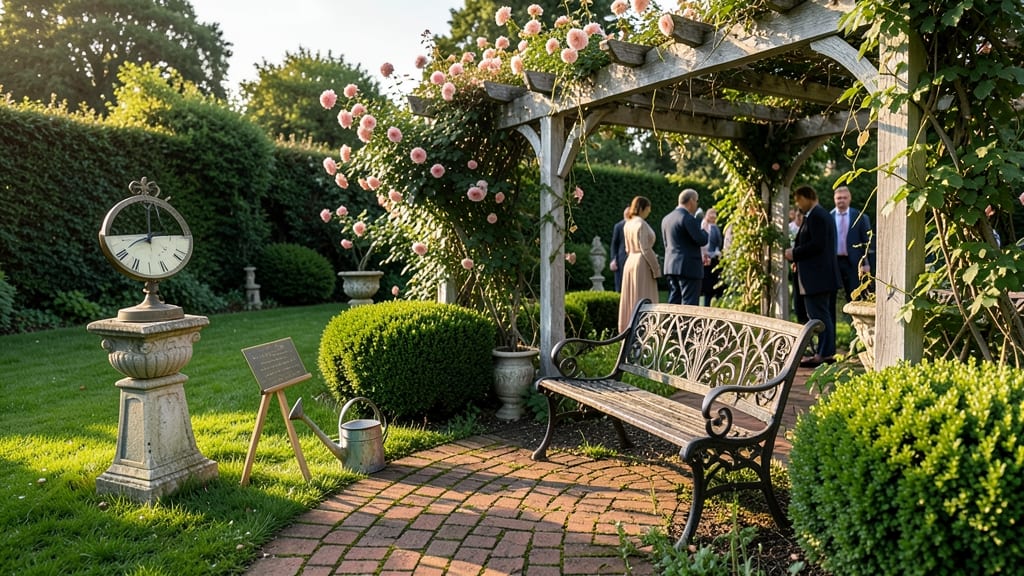
Finding the most beautiful historical gardens near you means exploring Monticello’s gardens in Virginia, Longwood Gardens in Pennsylvania, and Colonial Williamsburg’s botanical collections, where centuries-old landscapes and rare plant species create timeless beauty. Start by checking your region for gems like New York’s Wave Hill or Boston’s Arnold Arboretum for unmatched historical charm.
Historical gardens aren't just green spaces—they're living museums where colonial horticulture meets modern conservation. 🌿 Many of these sites, like Monticello's botanical experiments or Longwood's formal French gardens, showcase how early Americans adapted European techniques to local climates.
What makes them special is their dual role: preserving heirloom varieties and demonstrating how gardens evolved alongside American history.
Your best approach is to visit during peak bloom seasons—spring for tulips at Longwood, summer for hydrangeas at Wave Hill. Most offer free or discounted admission on certain days, and many combine garden tours with nearby historical sites.
For example, Colonial Williamsburg's gardens pair perfectly with its restored 18th-century buildings, creating a full cultural immersion experience.
💡 In This Article
- Why Historical Gardens Preserve Nature’s Legacy
- How to Plan Your Visit to Nearby Historical Gardens
Why historical gardens preserve nature’s legacy
Historical gardens serve as outdoor archives, blending horticulture with cultural preservation. Take Monticello’s gardens, for example—Thomas Jefferson’s experimental plots contained over 300 plant species, including rare varieties like the peach he imported from China.
These gardens weren’t just decorative; they were living laboratories where colonial elites tested European techniques against American climates. The result? Gardens that became models for modern agricultural research and botanical conservation.
The architectural styles in these gardens tell stories too. Longwood Gardens in Pennsylvania features 10-acre formal gardens designed in the French Baroque style, complete with symmetrical parterres and fountains. This wasn’t just aesthetic—it reflected the 19th-century fascination with European grandeur while adapting to Pennsylvania’s humid continental climate.
The combination of imported plants and local species created resilient landscapes that still thrive today, proving how historical gardens bridge past and present.
What makes these gardens unique is their role in preserving genetic diversity. Colonial Williamsburg’s botanical collections, for instance, maintain heirloom seeds from the 18th century, including varieties of tobacco and wheat that shaped early American agriculture.
These aren’t just relics—they’re working examples of how plants adapted to survive, offering lessons for modern sustainable farming. The gardens act as seed banks, ensuring rare species don’t disappear from our collective memory.
Many historical gardens also demonstrate how early Americans adapted European botanical knowledge to local conditions. At Wave Hill in New York, you’ll find native American plants grown alongside European imports, showing how 19th-century gardeners created hybrid landscapes.
This duality isn’t just historical—it’s practical. The techniques used to balance these plants (like soil amendments and pruning methods) are still relevant today for gardeners dealing with climate change and invasive species.
The preservation efforts extend beyond plants to include historical gardening tools and techniques. At Monticello, visitors can see Jefferson’s handwritten garden journals detailing planting schedules and crop rotations—practices that mirror modern organic farming.
These records provide a tangible connection to the past, showing how gardening was both a science and an art in early America. The gardens become classrooms where visitors learn about sustainability through history.
What most people don’t realize is how these gardens influence contemporary conservation. Programs at places like the Arnold Arboretum in Boston track plant migrations due to climate change, using historical records to predict future ecological shifts.
By studying how gardens adapted centuries ago, scientists gain insights into how modern landscapes might evolve. It’s a full-circle moment where history becomes a tool for solving present-day challenges. 🌱