
Tools
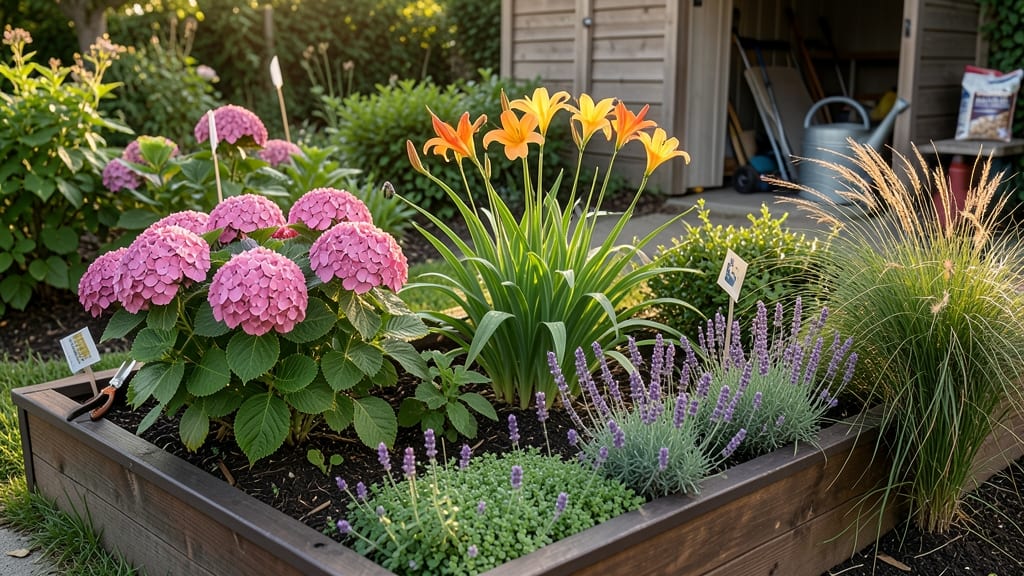
Home and garden shows often highlight practical gardening fundamentals like soil preparation and plant selection, but they frequently oversimplify advanced techniques while pushing expensive decor trends that don't translate to real-world growing success.
These shows excel at demonstrating foundational skills—like how to amend clay soil or identify common pests—but what they rarely show is the long-term maintenance behind those techniques. 🌱 For example, a 30-minute segment on "perfect lawn care" might show aerating once, but never explain the seasonal follow-up needed to keep it healthy.
The real value lies in understanding why these methods work, not just how they look on TV.
What's frustrating is how many shows treat gardening like a home decor project rather than a living ecosystem. They'll showcase $500 planters or "instant" garden makeovers, but skip the budget-friendly alternatives that actually work for most homeowners.
The key is to focus on adaptable skills—like propagating plants from cuttings or troubleshooting yellowing leaves—that solve real problems, not just creating Pinterest-worthy displays.
💡 In This Article
- Core Gardening Skills Home Shows Actually Demonstrate
- How to Spot Hype vs. Useful Advice in Garden Shows
Core gardening skills home shows actually demonstrate
Home and garden shows often highlight soil science as their foundation, but what they rarely explain is the chemistry behind it.
For instance, they'll show amending heavy clay soil with compost, but won't detail how compost microbes break down organic matter at 60-80°F to create the ideal 5-10% organic matter needed for plant roots.
The visual appeal of fluffy soil in a demo pot hides the 6-12 months of seasonal maintenance required to maintain that texture in real gardens.
Pruning techniques get another common demonstration, but shows often skip the plant-specific timing that determines success. A roses pruning demo might show cutting back in late winter, but won't mention that hydrangeas need pruning immediately after blooming—a critical distinction that affects next year's flowers.
The visual impact of clean, manicured shrubs masks the 3-5 years of trial-and-error many gardeners experience before mastering proper timing for their specific climate zone.
Pest control segments frequently showcase chemical solutions that work perfectly in controlled studio environments. What they don't show is how humidity levels above 70% can make those same sprays ineffective in real backyards.
A 5-minute demo of applying neem oil might look dramatic, but won't prepare viewers for the 2-3 applications needed over 4-6 weeks to actually break an aphid cycle. The science of pest behavior—like how aphids reproduce every 7-10 days—gets completely omitted from these flashy presentations.
Plant compatibility lessons often focus on color coordination rather than ecological relationships. Shows might pair purple salvia with blue delphiniums for visual impact, but won't explain why these plants share similar water needs (1-1.5 inches per week) and full sun requirements (6+ hours daily).
The real magic happens when you understand how plants with complementary root structures—like deep-rooted lavender paired with shallow basil—create more efficient water use in the garden ecosystem.
What these shows do exceptionally well is demonstrate seasonal maintenance calendars, though they rarely show the local climate variations that make these timelines impractical elsewhere.
A Texas spring planting schedule shown on a national program might be completely wrong for Pacific Northwest gardeners, where cooler temperatures delay germination by 3-4 weeks.
The key skill viewers should take away is how to adjust these demonstrated techniques to match their USDA hardiness zone and microclimate conditions.
The most valuable lessons come from observing how shows handle problem-solving scenarios. When a demo plant develops yellow leaves, they'll often blame "poor drainage" without showing how to test soil pH (ideal range: 6.0-7.0) or check for nutrient deficiencies through simple leaf analysis.
This diagnostic process—what I call the "garden detective work"—is what separates casual viewers from successful gardeners. 🌱