
Tools
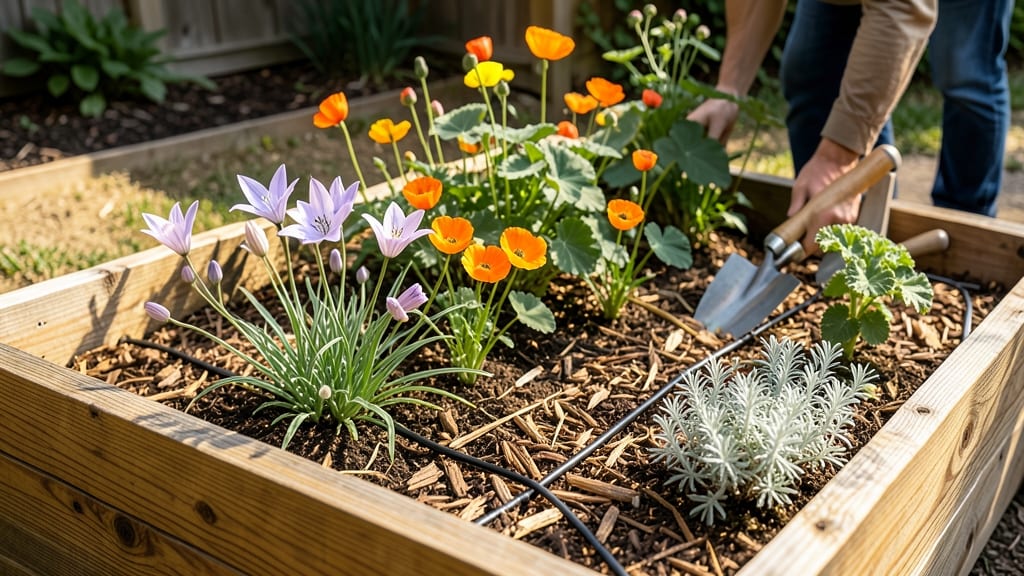
The Homeless Garden Project in Santa Cruz, CA turns food waste into nutrient-rich compost and prepares wholesome meals while empowering participants through hands-on gardening, composting, and culinary training programs available to all volunteers year-round.
The Homeless Garden Project in Santa Cruz, CA tackles food insecurity and environmental waste through a circular economy model—diverting organic waste from landfills while creating job opportunities. 🌱 Their urban farms grow over 100,000 pounds of produce annually, with volunteers learning sustainable farming techniques alongside meal preparation.
The program also offers educational workshops on nutrition, composting science, and food justice, ensuring participants gain marketable skills while contributing to community resilience.
What sets this initiative apart is its dual focus: reducing waste while addressing homelessness through workforce development. Many graduates from their training programs secure stable jobs in local agriculture or food service industries.
Whether you're a gardening novice or experienced volunteer, there's always room to contribute—from sorting compost to harvesting fresh produce for meal programs.
💡 In This Article
- How Santa Cruz’s Homeless Garden Project Combats Food Waste and Poverty
- Step-by-Step Guide to Volunteering at Homeless Garden Project Santa Cruz
How Santa Cruz’s homeless garden project combats food waste and poverty
The Homeless Garden Project's composting system operates like a natural recycling plant. Food scraps—including vegetable peels, coffee grounds, and fruit trimmings—are collected from local restaurants, markets, and households.
These materials are then broken down by microorganisms in industrial compost bins that maintain temperatures between 120-160°F, accelerating decomposition into nutrient-rich soil in just 6-8 weeks.
This hot composting process kills pathogens while preserving beneficial microbes, creating a soil amendment that's 50% more effective than traditional cold composting methods.
The science behind their urban agriculture model is equally impressive. The compost-enriched soil supports high-yield crops like kale, carrots, and tomatoes in raised beds that maximize space in the city's limited growing area.
Their closed-loop system means every food scrap becomes soil, which grows food that feeds people—reducing landfill waste by over 200 tons annually while producing 100,000+ pounds of fresh produce for meal programs. This circular approach mirrors natural ecosystems where waste becomes nourishment.
What makes this model unique is how it addresses both environmental and social challenges simultaneously. The project's education programs teach participants about composting science, soil health, and sustainable farming techniques—skills that translate directly into job opportunities.
Many graduates move into roles at local farms, food banks, or waste management companies, creating a pipeline from training to employment. This dual impact approach ensures volunteers gain practical skills while directly contributing to community food security.
The composting process requires precise moisture and carbon-nitrogen balance—typically a 30:1 ratio of browns (carbon) to greens (nitrogen). Too much moisture creates anaerobic conditions that produce foul odors, while too little slows decomposition.
The project's team monitors these factors daily using soil probes and moisture meters, ensuring optimal conditions. This attention to detail results in compost with 3-5% nitrogen content, ideal for plant growth.
Beyond the technical processes, the project's impact lies in its community-focused approach. Volunteers don't just work—they learn. Workshops cover topics like food justice advocacy, permaculture design, and meal preparation using seasonal produce.
This holistic education ensures participants understand both the environmental and social dimensions of food systems. The result? A model that transforms waste into nourishment while empowering individuals to become self-sufficient.
Consider how this system compares to traditional food banks: while food banks distribute donated goods, the Homeless Garden Project creates local, sustainable food sources and builds skills for long-term independence.
The composting process alone reduces methane emissions from landfills by up to 70% for organic waste, while the urban farms provide fresh produce that's nutritionally superior to processed food options. This is sustainability with measurable, multi-faceted benefits.
The project's success demonstrates how urban agriculture can serve as both an environmental solution and a social equalizer. By making the connection between waste reduction and job creation visible, they've created a blueprint for communities facing similar challenges.
The key insight? True sustainability requires addressing both ecological and human needs simultaneously—something this initiative achieves brilliantly. 🌱