
Light Requirements
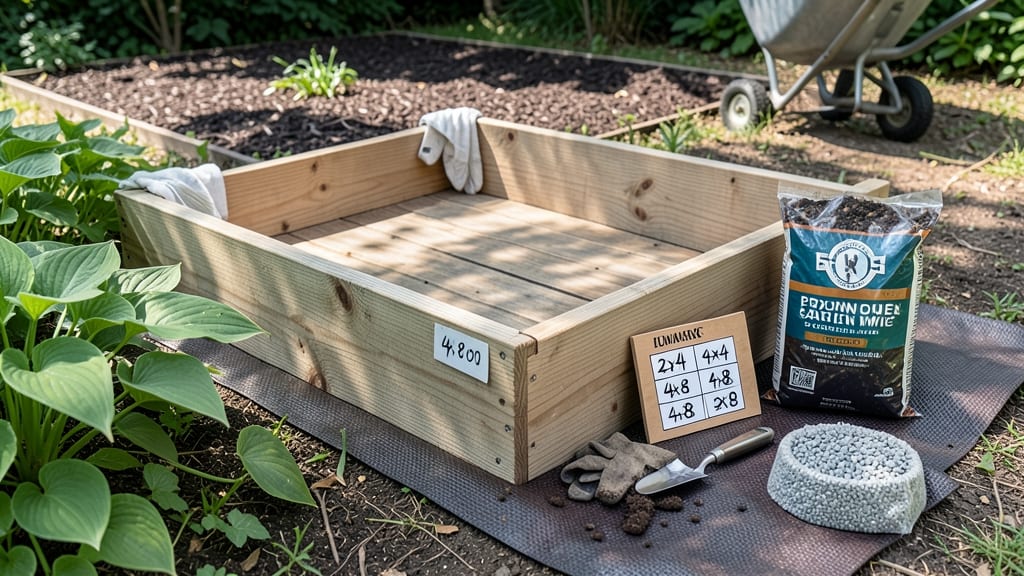
Raised garden beds typically cost between $100 and $1,500+, with most 4’x8’ units ranging from $150–$600. Your total depends on materials—cedar and redwood frames are pricier than composite or plastic—plus whether you DIY or buy pre-assembled. Don’t forget to budget $50–$300 extra for soil, liner, and fasteners.
Your final cost hinges on three key choices: size, materials, and assembly method. A 4’x4’ cedar bed might run $250–$400, while an 8’x12’ redwood model could hit $1,200+.
Composite lumber cuts long-term costs by resisting rot, but upfront prices are 2–3x higher than pressure-treated wood. 💰 I’ve seen DIY kits save $300+ when buying lumber in bulk, but pre-made beds offer convenience and often include warranties.
Regional lumber prices also swing wildly—check local suppliers for deals on cedar or recycled plastic.
Pro tip: Factor in soil quality—high-grade gardening mix can add $100+ to your initial investment. If you’re on a tight budget, start small (2’x4’) and expand later. Many gardeners also skip liners to save $20–$50, though this may affect drainage in heavy clay soils.
💡 In This Article
- Cost Factors for Raised Garden Bed Materials
- DIY vs. Pre-Made Raised Garden Bed Cost Comparison
Cost factors for raised garden bed materials
The material you choose for your raised garden bed frame directly impacts both upfront costs and long-term durability. Cedar is the most popular choice for its natural resistance to rot and insects, with 2x4 lumber running $3–$5 per linear foot.
A standard 4’x8’ cedar bed requires about 40 linear feet of lumber, bringing the frame cost to roughly $120–$200. Redwood is even pricier at $5–$8 per foot, but its rich color and longevity make it a favorite for high-end gardens.
Pressure-treated lumber offers a budget-friendly alternative at $1.50–$3 per foot, but it requires sealing to prevent chemical leaching into soil. Composite lumber (like Trex) eliminates rot and staining entirely, costing $8–$15 per foot—about 3x more than cedar but lasting 20+ years with minimal maintenance.
Plastic and metal frames fall at the lower end, with $1–$4 per foot, though metal rusts over time unless galvanized. Don’t overlook hardware costs: galvanized corner brackets add $10–$30 per bed, while screws and nails run $15–$40 total.
Regional lumber prices create wild variations—cedar can cost 20–30% more in coastal areas due to demand, while inland suppliers often offer bulk discounts. For example, a 4’x4’ cedar bed might cost $180 in Oregon but only $140 in Texas for the same materials.
Always ask about "off-cut" lumber (leftover pieces) at home improvement stores, which can slash costs by 30–50% for DIY projects. The weight of your soil choice also matters: 1 cubic foot of soil weighs 70–100 lbs, so deeper beds need sturdier frames to prevent sagging over time.
Here’s a quick material cost comparison for a 4’x8’ bed:
- Cedar: $150–$250 (frame only)
- Redwood: $250–$400 (frame only)
- Pressure-treated pine: $90–$150 (frame only)
- Composite: $400–$600 (frame only)
- Plastic/Metal: $100–$200 (frame only)
Pro tip: If you’re building multiple beds, consider kiln-dried lumber—it’s 10–15% more expensive upfront but resists warping and cracking, saving you headaches (and money) during assembly. The right material choice can cut long-term costs by 40–60% if you prioritize durability over initial savings. 💰