
Trees
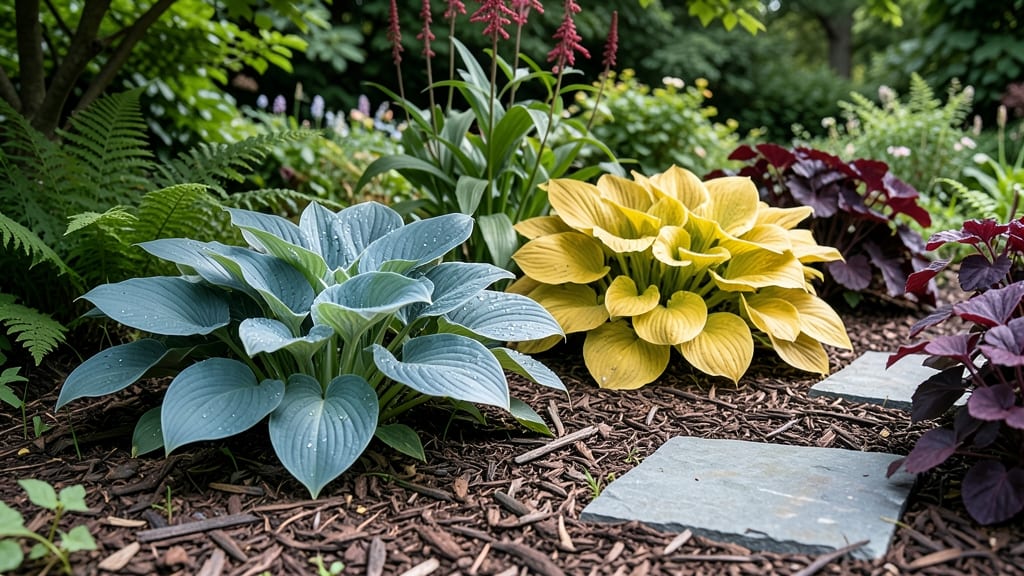
Hosta gardens pictures reveal stunning layered designs by combining hostas with shade-loving perennials, ferns, and ornamental grasses to create rich textures and seasonal color. The key lies in matching shade tolerance, contrasting leaf hues, and varying heights for maximum visual appeal.
Hostas thrive in shady spots, making them perfect for creating lush garden scenes that feel like a secret woodland retreat. 🌿 The magic happens when you mix them with plants like heucheras (for their colorful foliage) or Japanese forest grass (for delicate movement).
I always recommend grouping hostas by size—tall varieties like 'Blue Angel' in back, medium ones like 'Halcyon' in the middle, and compact types like 'Pandora' near the front. This creates natural layers that draw the eye deeper into the garden.
Another pro tip: add seasonal bloomers like astilbes or foxgloves to lift the eye upward while keeping the hosta foliage as the star. The contrast between hostas' deep greens and purples with these airy flowers creates a balanced, dynamic look that changes with each season.
For containers, try pairing hostas with ivy or sweet woodruff—both love shade and add complementary textures.
💡 In This Article
- Best Hosta Plant Pairings for Year-Round Garden Beauty
- Designing Stunning Hosta Garden Layouts: Pro Tips
Best hosta plant pairings for year-round garden beauty
Hostas shine brightest when paired with plants that share their love for shade while offering contrasting textures and seasonal interest. The secret lies in foliage color theory—pairing hostas' deep blues, purples, and chartreuse hues with complementary shades creates visual harmony.
For example, a blue hosta like 'Blue Angel' pairs beautifully with silver foliage plants such as lamb's ear or dusty miller, as the cool tones echo each other while adding metallic contrast. 🌿 Meanwhile, variegated hostas with yellow centers (like 'Francee') glow when surrounded by deep purple heucheras, creating a striking two-tone effect that pops in low-light conditions.
The science behind these pairings involves leaf size and shape—hostas with large, broad leaves (like 'Sum and Substance') balance well with fine-textured plants such as Japanese painted ferns or sweet woodruff, which add delicate movement and contrast.
For height variation, pair tall hostas (3+ feet) with ornamental grasses like Hakonechloa macra, which sways gently in shade and adds vertical interest. Seasonal bloomers like astilbes or foxgloves provide vertical accents and soften the dense foliage, ensuring your garden stays dynamic even when hostas aren't flowering.
Structural plants like Japanese maples or boxwoods anchor the design, offering evergreen backbone while letting hostas take center stage.
The key is to group plants by their maturity height—tall hostas (4+ feet) belong in the back, medium varieties (2-3 feet) in the middle, and small types (under 2 feet) near the front. This creates natural layers that guide the eye through the garden.
For example, a 6-foot Japanese maple behind a cluster of 3-foot hostas with 2-foot ferns in front builds depth effortlessly.
Don't overlook ground covers like ajuga or foamflower—they fill gaps between hostas while adding contrasting colors and textures. Ajuga's purple foliage and blue flowers echo hosta hues, while foamflower's delicate white blooms provide a bright contrast.
These pairings ensure your garden remains visually engaging from spring through fall, even when hostas are dormant. The result? A lush, layered tapestry that feels like a living painting. ✨
For containers, mix hostas with trailing plants like ivy or creeping Jenny to create cascading interest. A 12-inch hosta in a 14-inch pot paired with trailing ivy adds movement and softens the edges, while a heuchera or heleborus provides winter interest.
The rule of thumb: fill the pot with 70% hostas (for foliage impact) and 30% complementary plants (for texture and color contrast). This balance keeps the design cohesive while maximizing visual appeal.