
How To
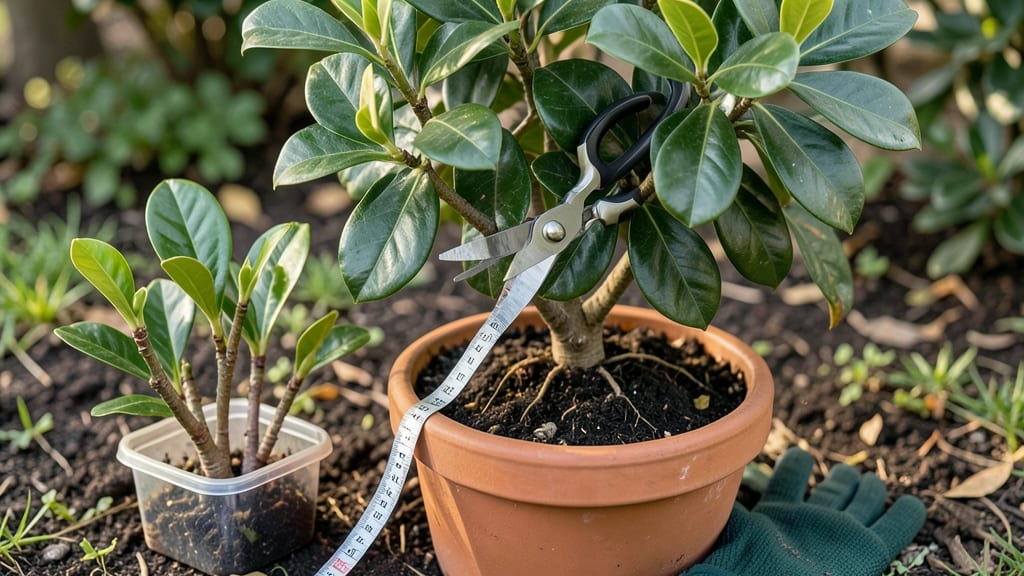
Cutting back gardenias too far can shock these fragrant shrubs 🌸, but knowing the right limits keeps them healthy and blooming for years.
If you’ve ever pruned your gardenia only to see bare stems or wilted leaves, you’re not alone. The key is trimming no more than one-third of the plant’s height at once—any deeper, and you risk stunting growth or triggering stress.
This guide breaks down the exact pruning rules for gardenias in USDA Zone 6a, including where to make cuts, the best seasons to trim, and how to encourage bushier blooms without damaging your shrub.
You’ll learn how to spot overgrowth, avoid common mistakes, and even revive a plant that’s been over-pruned—so your gardenia stays lush, fragrant, and full of flowers.
Safe pruning limits for gardenias: how far you can trim without damaging growth
Pruning your gardenias correctly is key to keeping them healthy and blooming beautifully. The 1/3 rule is your golden guideline—never remove more than one-third of the plant's foliage in a single pruning session.
Gardenias are sensitive shrubs, and aggressive cuts can shock them, leading to dieback or reduced flowering. Understanding these limits ensures your gardenias stay lush and fragrant for years.
Before you reach for your pruners, know that gardenias bloom on new wood, meaning their flowers grow on current season's growth. Cutting back too much can eliminate next year's blooms.
The best time to prune is late winter or early spring, just as new growth begins. This timing allows the plant to recover and produce fresh blooms for the season ahead.
Here’s the critical question: How far can you cut back gardenias? The answer depends on the plant’s age and health. For mature gardenias, you can trim back to 1/3 of the previous year’s growth, but avoid cutting into old, bare wood.
Younger plants should only be lightly pruned to encourage bushier growth. Always aim for clean cuts just above a leaf node or bud to promote new shoots.
| Pruning Type | Safe Cut Limit | Best Time | Tools Needed |
|---|---|---|---|
| Light Pruning | Up to 1/3 of new growth | Late winter/early spring | Bypass pruners, gloves |
| Shaping Pruning | 1/3 of outer branches | After flowering season | Pruning saw, sanitizer |
| Rejuvenation Pruning | Up to 1/2 of old wood (rare) | Early spring (last resort) | Loppers, sterilized tools |
| Deadheading | Trim spent blooms only | Year-round (as needed) | Hand pruners, scissors |
When pruning, always use clean, sharp tools to avoid tearing the bark or spreading disease. A bypass pruner is ideal for small branches, while a pruning saw works for thicker stems.
After each cut, dip your tools in rubbing alcohol or bleach solution to prevent bacterial infections. Never leave stubs—always cut at a 45-degree angle just above a bud or leaf node.
One common mistake is pruning gardenias in fall or winter, which can delay spring growth. If you must prune outside the recommended window, do so lightly in early fall to shape the plant without stressing it.
Avoid heavy cuts during bud formation (late spring), as this can reduce next year’s blooms. Always prioritize healthy growth over aggressive shaping.
For gardenias that have become overgrown or leggy, a gradual pruning approach works best. Instead of cutting back everything at once, trim 1/3 of the plant in year one, another 1/3 in year two, and the final third in year three.
This method reduces shock and allows the plant to recover and rebloom more effectively. Pair this with regular fertilizing and watering to support new growth.
Watch for signs of over-pruning stress, such as yellowing leaves, wilting, or no new buds. If you’ve accidentally pruned too much, don’t panic! Focus on deep watering and light feeding to help the plant recover.
In most cases, gardenias are resilient and will bounce back with proper care. Patience is key—new growth can take 4-6 weeks to appear after pruning.
To encourage bushier growth and more blooms, prune just above a leaf node or outward-facing bud. This directs energy to the outer parts of the plant, creating a fuller shape.
Avoid cutting into the center of the plant, as this can lead to poor air circulation and disease. Always step back and assess the plant’s shape after pruning to ensure it looks balanced and healthy.
Remember, gardenias thrive on consistency and gentle care. By following the 1/3 rule and pruning at the right time, you’ll keep your gardenias looking their best while ensuring they bloom abundantly for years to come.
With the right techniques, your gardenias will reward you with glossy leaves and fragrant flowers season after season.
Step-by-step gardenia pruning guide: when and how to trim for maximum blooms
Pruning gardenias might seem intimidating, but with the right approach, you can encourage bushier growth and more abundant blooms without harming your plant. The key is timing and technique—cutting too much or at the wrong time can stress these delicate shrubs.
I’ll walk you through the exact steps, including how far you can safely trim and when to avoid pruning altogether.
Gardenias thrive when pruned correctly, but they’re sensitive to aggressive cuts. Always use clean, sharp pruners and focus on removing dead or diseased wood first. This step-list will guide you through shaping, deadheading, and rejuvenation pruning—plus how to spot healthy vs. damaged stems so you never overdo it.
Look for brown, mushy stems or branches without leaves. These won’t regrow—cut them back to the nearest healthy bud or branch junction.
Trim faded flowers just above the first set of leaves to redirect energy to new blooms. Never cut into old wood—this stops future flowers.
Remove overcrowded branches to improve airflow. Cut back no more than 1/3 of the plant’s height—this prevents shock. Aim for an open, rounded shape.
For woody, leggy gardenias, cut back up to half the height in late winter. New growth will emerge from the base, creating a fuller shrub.
Remove all clippings and apply acid-loving fertilizer after pruning. Water deeply to reduce stress and encourage new growth.
Timing is everything with gardenias. Late winter or early spring (just before new growth starts) is ideal for major pruning. Avoid cutting in fall or winter—this can leave your plant vulnerable to frost damage.
For shaping or deadheading, you can trim throughout the growing season, but always avoid cutting into old wood.
If you’re unsure how far to cut, err on the side of caution. Gardenias are forgiving but hate being severely pruned. A little patience and precision go a long way in keeping your shrub healthy and blooming for years.
With these steps, you’ll master the art of pruning without stressing your plant.
Remember: Healthy stems = more flowers. Always prioritize clean cuts and proper timing to keep your gardenias thriving. Happy pruning! 🌸✂️