
How To
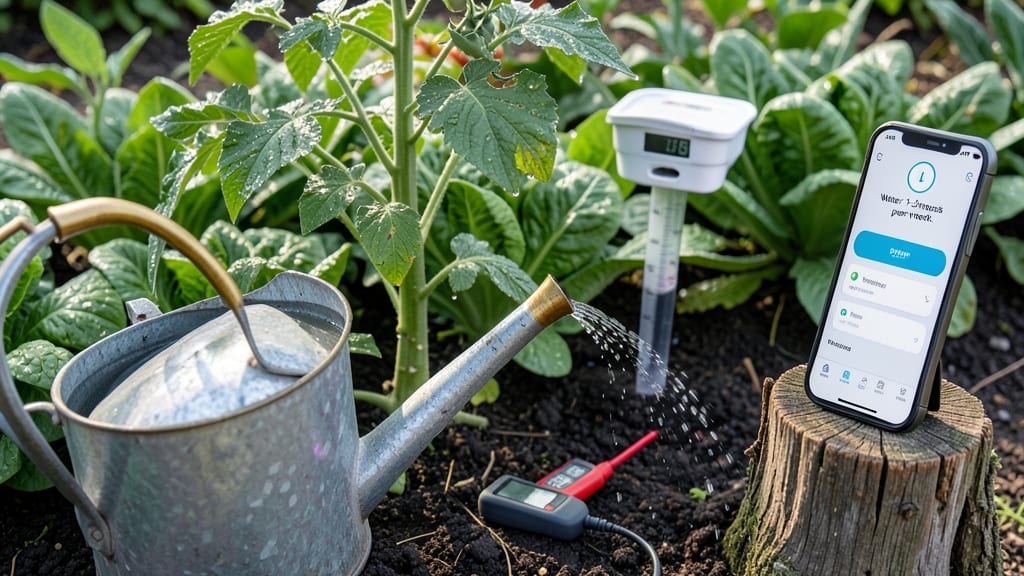
Watering your vegetable garden for 1-2 inches per week is the key to strong roots and bountiful harvests 🥬 — but timing and technique matter just as much as duration.
Struggling to keep your vegetable garden thriving? Overwatering or underwatering can stifle growth—so how long should you water to build strong, resilient roots? The answer depends on soil type, plant needs, and even the time of day you water.
Most vegetables thrive with deep, infrequent watering rather than light, frequent sprinkles. This encourages roots to grow downward, making plants more drought-resistant and productive. But clay soil holds moisture longer than sandy soil, and leafy greens need less water than fruiting plants like tomatoes.
Below, I’ll break down the exact watering duration for different plant types, how to adjust for weather, and the telltale signs your garden is getting just the right amount—no guesswork required.
Optimal watering duration by plant type and soil conditions
Watering your vegetable garden isn't a one-size-fits-all task. Each plant type—whether it's leafy greens, root vegetables, or fruiting plants—has unique needs. Even your soil type plays a crucial role in how long you should water.
For example, sandy soil drains quickly, while clay soil holds moisture longer, requiring adjustments to your watering schedule.
Seasonal changes also demand flexibility. In summer heat, plants may need daily watering for 10-15 minutes per session, whereas spring or fall might only require 5-10 minutes every other day. Understanding these variables ensures your plants get the right amount of moisture without waste.
Let’s break down the optimal watering duration for common vegetable categories. This guide will help you tailor your approach based on plant type, soil conditions, and seasonal demands, so you can avoid both underwatering and overwatering—two of the most common garden mistakes.
| Plant Type | Soil Type | Watering Duration (per session) | Frequency (per week) | Seasonal Adjustments |
|---|---|---|---|---|
| Leafy Greens (lettuce, spinach, kale) | Sandy | 5-8 minutes | 4-5 times | Increase in summer |
| Leafy Greens (lettuce, spinach, kale) | Clay | 8-12 minutes | 2-3 times | Reduce in fall |
| Root Vegetables (carrots, beets, radishes) | Sandy | 10-15 minutes | 3-4 times | Deep watering in dry spells |
| Root Vegetables (carrots, beets, radishes) | Clay | 15-20 minutes | 2 times | Avoid waterlogging |
| Fruiting Plants (tomatoes, peppers, cucumbers) | Sandy | 15-20 minutes | 5-6 times | Daily in peak summer |
| Fruiting Plants (tomatoes, peppers, cucumbers) | Clay | 20-25 minutes | 3-4 times | Reduce in humid weather |
For leafy greens like lettuce or spinach, shorter but frequent watering sessions work best. These plants thrive with 5-12 minutes of watering, depending on your soil type.
In sandy soil, water lightly but often—up to 5 times per week—while clay soil can handle longer sessions every 2-3 days. Always adjust for rainfall to avoid soggy soil.
When growing root vegetables such as carrots or beets, focus on deep
Deep-soil watering techniques for maximum root development
Deep-soil watering transforms your vegetable garden by encouraging roots to grow deeper and stronger. Instead of frequent shallow watering, this method delivers moisture to the root zone—typically the first 6-12 inches of soil.
When done right, your plants develop drought-resistant roots and produce more efficiently. For most vegetables, aim to water 1-2 inches per session, but timing and technique matter just as much.
Start by checking your soil’s moisture level before watering. Stick your finger 2-3 inches deep—if it feels dry, it’s time to water. For sandy soil, which drains quickly, you may need to water more often but for shorter durations.
Conversely, clay soil holds moisture longer, so deeper, less frequent watering works best. Always water in the early morning to reduce evaporation and fungal risks.
⚠️ Warning: Overwatering is just as harmful as underwatering!
Watering for too long (e.g., 30+ minutes) can drown roots, suffocate soil microbes, and lead to root rot. Use a soil moisture meter or the finger test to avoid soggy soil. For most vegetables, 15-30 minutes per session is ideal—adjust based on soil type and weather.
💧 Pro Tip: Split watering sessions into two shorter intervals if your garden has uneven soil levels.
To water deeply, use a soaker hose or drip irrigation system placed at the base of plants. Avoid overhead sprinklers, which waste water and encourage diseases. If using a hose, create a small basin around each plant to direct water where it’s needed most.
For seedlings, keep the soil consistently moist but not waterlogged—use a spray bottle for gentle hydration.
Watch your plants for signs of proper hydration. Healthy leaves should be firm and upright, while wilting in the afternoon is normal but should recover by morning. Yellowing leaves or crispy edges signal underwatering, while mushy stems or moldy soil indicate overwatering.
Adjust your watering schedule based on these cues and the current weather—hot, dry days demand more frequent watering, while cool, cloudy days may require less.
Mulching is a game-changer for deep-soil watering. Apply 2-3 inches of mulch (straw, wood chips, or shredded leaves) around plants to retain moisture and regulate soil temperature.
This reduces the need for frequent watering and keeps roots cool during heatwaves. Replenish mulch as it breaks down to maintain its effectiveness throughout the growing season.
For container-grown vegetables, deep-soil techniques still apply but require more attention. Water until you see moisture dripping from the drainage holes—this ensures roots get the hydration they need.
Containers dry out faster, so check soil moisture daily in summer and adjust accordingly. Group containers together to create a microclimate that retains moisture longer.