
Light Requirements
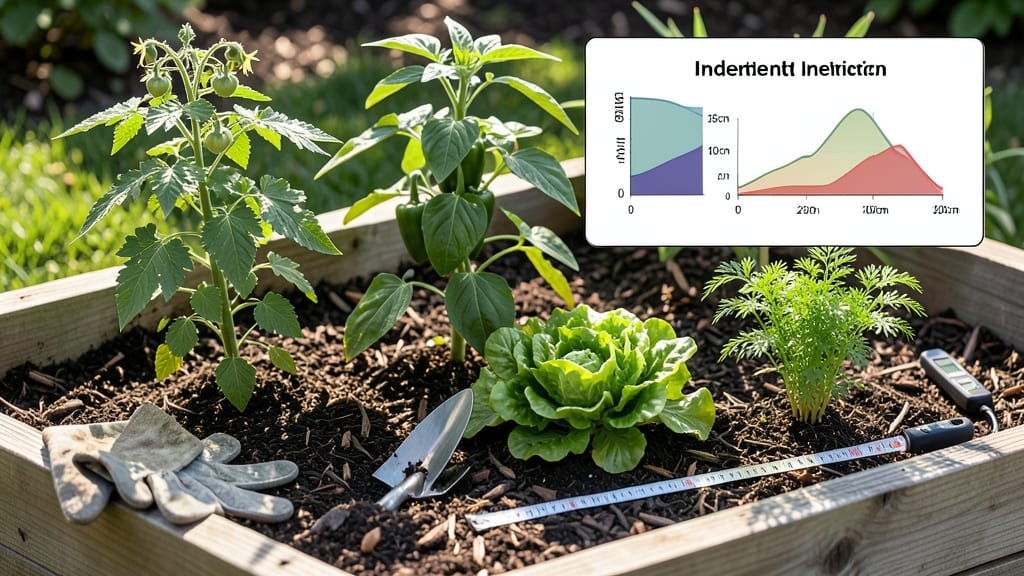
A vegetable garden needs how many hours of sun does a vegetable garden need—typically 6 to 8 hours—to produce strong, healthy crops, though some plants handle less with ease.
Struggling to decide where to plant your vegetables? Sunlight is the single most critical factor for a thriving garden—but too much or too little can ruin your harvest. Discover the exact sun exposure ranges your crops need to grow big, healthy, and productive.
Most vegetables, like tomatoes and peppers, crave full sun (6+ hours), while leafy greens and herbs can thrive with just 3 to 4 hours. The key is matching your plants to their ideal light conditions.
Here’s how to measure sunlight in your space, adjust for seasonal changes, and maximize growth—no guesswork required.


Sunlight requirements for vegetables: full sun vs partial shade explained
Understanding sunlight requirements for vegetables is the first step to a bountiful harvest. Most gardeners assume full sun means maximum growth, but some crops actually thrive in partial shade.
The key is matching your vegetable varieties to their ideal light conditions—too much or too little sun can drastically reduce yields and quality.
Vegetables generally fall into three sun exposure categories: full sun (6+ hours), partial shade (3-6 hours), and light shade (under 3 hours). Getting this right ensures your plants develop properly, from leafy greens to fruiting crops.
Let’s break down what each category means for your garden’s layout and plant selection.
For full sun-loving vegetables, like tomatoes and peppers, insufficient light leads to weak stems, poor fruit set, and stunted growth. These crops need at least 6 hours of direct sunlight daily to produce the energy required for flowering and fruiting.
In my garden, I’ve seen tomato plants in partial shade produce 30% fewer tomatoes compared to those basking in full sun.
On the other hand, leafy greens like lettuce and spinach actually bolt (go to seed) prematurely in full sun during hot weather. They prefer partial shade (3-6 hours), which keeps them crisp and tender.
I once planted lettuce in a south-facing bed and had to shade it midday with a row cover to prevent bitter flavors and early flowering.
Vegetables in light shade (under 3 hours), such as bok choy and parsley, are often overlooked but can thrive in shadier corners of the garden. However, these plants grow more slowly and may develop long, leggy stems as they stretch toward any available light.
To maximize their potential, I enrich the soil with compost and use reflective mulch to bounce extra light onto their leaves.
One common mistake is assuming morning sun is equivalent to afternoon sun. While both are valuable, afternoon sun (especially in hot climates) can scorch delicate leaves.
For example, basil plants in my garden wilted under 3 PM sun until I moved them to a spot with morning sun and afternoon shade. This small adjustment saved the plants and improved their flavor.
If your garden has limited sunlight, focus on vertical growing to maximize exposure. Trellises for cucumbers and pole beans lift them above ground-level shade, while container gardening lets you move plants to sunnier spots as needed.
I’ve even used reflective surfaces, like white plastic sheeting, to redirect light onto shadier beds during peak growing months.
For seasonal adjustments, remember that summer sun is more intense than spring or fall light. What qualifies as full sun in June might feel like partial shade in April.
I adjust my plant placements every few months to match the changing sun angles. For instance, spring-planted carrots thrive in a spot that becomes too hot for them by mid-July.
To measure sunlight in your garden, use a sunlight tracker or observe your space for a week. Note when shadows fall across different areas—this helps you plan your layout for optimal light distribution.
I mark my garden beds with stakes and string to visualize sun paths before planting, which has saved me from costly mistakes.
Ultimately, the right sunlight balance ensures your vegetables grow healthier, faster, and with better yields. Start by grouping plants with similar light needs together, and don’t hesitate to experiment with shade solutions if your garden is naturally low-light.
With the right approach, even a shadier garden can produce a surprising harvest!
Best vegetables for low-sun gardens: 7 high-yield crops for 3-6 hours of sun
If you're working with a shady spot but still want a productive vegetable garden, don't despair! Many vegetables thrive in 3-6 hours of sunlight—you just need to choose the right crops and provide optimal growing conditions.
These shade-tolerant varieties can deliver abundant harvests even in less-than-ideal light situations, making them perfect for urban balconies, forest edges, or north-facing yards.
Understanding how to maximize growth in low-light conditions involves selecting plants that naturally adapt to partial shade while implementing simple care strategies.
For example, leafy greens and root vegetables often perform best with 4-6 hours of morning sun, while herbs and brassicas can tolerate as little as 3 hours of filtered light. The key is to pair the right plants with proper soil prep and consistent moisture.
🌱 Key Insights: Sunlight Needs for Low-Light Vegetables
- 1. Leafy greens like spinach and kale thrive in 3-4 hours of sun and can even handle dappled shade.
- 2. Root vegetables such as carrots and beets need 4-6 hours of sun for proper development.
- 3. Herbs like parsley and cilantro grow well in 3-5 hours of morning light.
- 4. Asian greens (e.g., bok choy) tolerate 3-6 hours of sun and grow quickly.
- 5. Bush beans can produce in 4-6 hours of sun if given support.
- 6. Radishes mature fast in 3-5 hours of sun, making them ideal for shady spots.
- 7. Lettuce varieties like 'Black Seeded Simpson' thrive in 3-6 hours of sun.
When selecting crops for your low-sun garden, prioritize fast-maturing varieties to maximize your harvest before shade becomes a limiting factor. For instance, radishes and lettuce can be harvested in as little as 30-45 days, making them perfect for quick yields.
Additionally, mulching with compost improves soil fertility and retains moisture, which is crucial for shade-loving plants that may struggle with dry conditions.
To further boost productivity, consider interplanting taller crops like bush beans with shorter greens such as spinach or arugula. This technique allows both plants to share sunlight efficiently while utilizing vertical space.
Another pro tip: rotate crops annually to prevent soil depletion, especially in shady areas where nutrients may break down more slowly due to cooler temperatures.
Watering strategies also play a critical role in low-sun gardens. Since shade reduces evaporation, water deeply but less frequently—typically every 3-5 days—to encourage strong root development. Early morning watering prevents fungal issues, while drip irrigation ensures consistent moisture without wetting foliage.
Pair this with a balanced fertilizer (10-10-10) applied every 4-6 weeks to support lush growth.
Don't overlook the power of reflective surfaces like white mulch or light-colored containers to bounce extra light onto your plants. Even a 10% increase in light exposure can significantly improve yields. With these strategies, your low-sun garden can become a high-yielding oasis of fresh, homegrown vegetables—no sunny spot required! 🌿