
Light Requirements
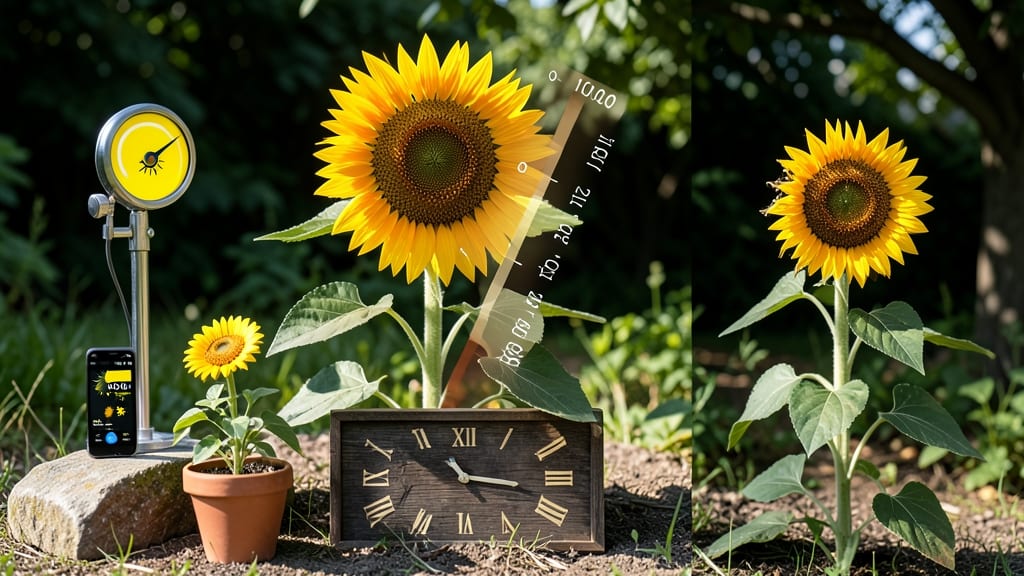
A garden needs 6 to 8 hours of sunlight daily to thrive, but the exact amount depends on what you're growing—some plants bask in full sun while others prefer gentle shade.
Picture this: your tomatoes and peppers wilt because they’re tucked under a tree, while your ferns struggle to survive in a scorching hot spot. The right sunlight balance is the secret to a lush, productive garden—not just guesswork.
Not all gardens get equal sun, though. Shade-loving plants like hostas and impatiens can handle just 3 to 4 hours, while sun-hungry veggies and flowers need full sun to reach their potential.
Below, I’ll break down the exact ranges for different plants and how to map sunlight in your space.
You’ll also learn how to adjust your garden layout—whether by moving pots, pruning trees, or using shade cloth—to give every plant the perfect light conditions for stronger growth and bigger harvests.


Sunlight requirements by plant type: full sun vs. partial shade vs. low light needs
Understanding how many hours of sunlight your garden needs is the foundation of successful planting. Not all plants thrive under the same conditions—some crave full sun exposure, while others struggle in anything more than partial shade.
Even your low-light plants have specific needs. The key is matching each plant's sunlight requirements to its placement in your yard, whether that's a sunny patio, shady corner, or mixed-light garden bed.
Most gardeners divide sunlight needs into three categories: full sun (6+ hours of direct sunlight), partial shade (3-6 hours), and low light (less than 3 hours). Getting this right can mean the difference between a bountiful harvest and wilting foliage.
For example, your tomatoes and peppers will bolt or produce poorly if they don’t get enough sun, while hostas and ferns will scorch in too much light. Let’s break down the specifics so you can design a garden that works for every plant.
When planning your garden layout, group plants with similar sunlight needs together. For instance, place your tomatoes and rosemary in the sunniest spot, while your hostas and astilbes can thrive in the partial shade of a nearby tree.
This approach minimizes stress on your plants and reduces the need for constant rearranging. I’ve learned the hard way that moving a succulent from a sunny windowsill to a shady corner will cause it to stretch and weaken—so always check the tag or research before planting!
For container gardening, mobility is your best friend. Rotate pots throughout the day to ensure even light exposure, especially if you’re growing herbs or vegetables that need consistent sun.
A simple trick is to place containers on wheels or use a dolly to move them closer to or farther from the sun as needed. This flexibility is perfect for urban gardeners with limited space or fluctuating sunlight conditions.
Don’t forget that seasonal changes affect sunlight exposure too. In winter, your garden might receive only 3-4 hours of direct sun when it once had 8. This is why partial shade plants like coleus or impatiens can handle the transition better than full-sun varieties.
Use shade cloth in summer to protect delicate plants from too much intensity, especially in hot climates where sunburn can damage leaves.
If you’re unsure about your garden’s sunlight conditions, observe it for a week. Note which areas stay dry and bright all day (full sun) versus those that remain damp or dim (low light).
You can also use a sunlight meter or even a simple app to track exposure. This data will help you create microclimates—small zones within your garden that cater to different plant needs.
One common mistake I see is assuming that "shade" means no sunlight at all. In reality, most plants need some light, even if it’s indirect.
For example, low-light plants like snake plants or ZZ plants can survive with just a few hours of filtered light, but they’ll grow more slowly without any. Balance is key—aim for the middle ground where your plants get just enough light to thrive without stress.
For vegetable gardens, prioritize full sun for your fruiting plants like tomatoes, peppers, and cucumbers. These need at least 6-8 hours of sunlight to produce well.
Meanwhile, leafy greens such as spinach or lettuce can tolerate partial shade, especially in hot climates where too much sun causes them to bolt prematurely. Experiment with succession planting to take advantage of changing light conditions throughout the year.
Finally, remember that soil health and watering habits also play a role in how plants respond to sunlight. A well-draining soil helps prevent root rot in shady areas, while mulching can retain moisture for sun-loving plants.
Pair your sunlight strategy with proper soil prep, and you’ll set your garden up for success all season long.
How to measure sunlight in your garden and adjust plant placement for optimal growth
Sunlight is the lifeblood of your garden, but not all plants need the same amount. Some thrive in full sun (6+ hours), while others prefer partial shade (3-6 hours) or even low light (under 3 hours).
Without measuring your garden’s sunlight zones, you risk overwatering sun-sensitive plants or stunting sun-loving varieties. The good news? With simple tools and a little observation, you can transform your garden into a perfectly balanced ecosystem.
Start by identifying your garden’s natural light patterns. Use a sunlight calculator app (like SunCalc or Plantix) to track sun exposure throughout the day. These tools map sunlight angles based on your location, showing exactly where shadows fall at different times.
For a hands-on approach, place a measuring stick or white board in key garden spots and mark shadow lengths every few hours. This DIY method reveals how sunlight shifts with the seasons.
⚠️ WARNING: Common Sunlight Misjudgment Can Ruin Your Garden Most gardeners overestimate partial shade exposure—what feels like dappled light in spring may turn into full sun by summer.
For example, a north-facing spot might get only 2 hours of sun in winter but 6+ hours in July. Tomatoes or peppers planted here will bolt (flower prematurely) or produce bitter fruit. Hostas or ferns, however, will scorch. Always measure for peak summer sun to avoid costly mistakes. 🌱
Once you’ve mapped your garden, group plants by their sunlight needs. Place sun-lovers like roses, lavender, or zucchini in the brightest spots, while shade-tolerant plants such as astilbe or coleus thrive in filtered light.
If a plant isn’t getting enough sun, consider relocating it or using reflective mulch (like white gravel) to bounce extra light onto leaves. For containers, rotate pots weekly to ensure even exposure.
When sunlight is too intense, shade cloths (rated by percentage, e.g., 30% for partial shade) are a game-changer. A 50% shade cloth blocks half the sun’s rays, ideal for succulents in hot climates or leafy greens like spinach.
Secure the cloth with stakes and adjust the height as plants grow. Alternatively, train vines like clematis or morning glories to climb trellises, which naturally filters sunlight through their foliage.
Don’t forget to account for seasonal changes. A morning sun spot might stay cool in summer but get intense afternoon rays in winter. Use seasonal shade structures, like a retractable awning or temporary lattice, to protect delicate plants.
For evergreens or large shrubs, prune to create natural shade layers—this mimics a forest understory, perfect for shade-loving perennials like heuchera or foamflower.
With these adjustments, your garden will flourish year-round. Start small: measure one zone this week, relocate one struggling plant, and observe the difference in just a few weeks. The key is patience and precision—your plants will thank you with vibrant blooms and bountiful harvests. ☀️