
Light Requirements
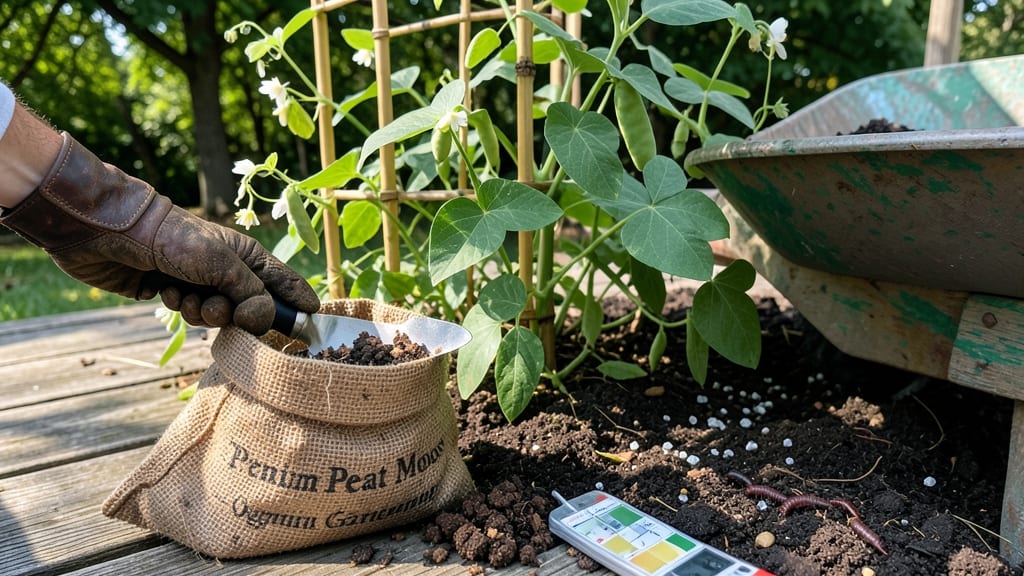
To determine how much peat moss to add to garden soil, start with a 20% to 30% mix by volume for general use, but adjust based on your soil type and plant needs. Sandy soils often need up to 40% to improve water retention, while acid-loving plants like blueberries thrive with ratios between 30-50%. Heavy clay soils benefit from 25-30% to enhance drainage and texture. Always blend it thoroughly to prevent clumping.
Peat moss works by improving soil structure and acidity, but the right amount depends entirely on your garden's specific needs. 🌱 For example, container gardens or sandy soils often require more because they drain too quickly, while clay-heavy areas need less to avoid compaction.
I always recommend testing your soil's pH first—most peat moss lowers it, so if your plants prefer neutral conditions, you might want to balance it with lime. The key is consistency: spread it evenly and mix it into the top 6 inches of soil for best results.
Another critical factor is organic matter breakdown. Peat moss decomposes slowly, so its benefits last longer than compost. This makes it ideal for long-term soil improvement, especially in areas with poor natural organic content.
Just remember: more isn't always better. Overdoing it can create a waterlogged environment that suffocates roots. Start with the recommended ratios, monitor your plants' response, and adjust as needed.
💡 In This Article
- Peat Moss Soil Amendments by Plant Type and Soil Conditions
- Step-by-Step Guide: Mixing Peat Moss into Garden Beds
Peat moss soil amendments by plant type and soil conditions
Peat moss works as a soil amendment because of its unique structure—it's made of partially decomposed sphagnum moss that holds 16-20 times its weight in water while still allowing oxygen to reach roots.
This moisture-retaining ability is why sandy soils, which drain too quickly, often need 35-40% peat moss by volume. For example, a 5-gallon container garden filled with pure sand would require 2-2.5 gallons of peat moss to create an ideal planting mix that holds water without becoming soggy.
The science behind peat moss's acidity comes from its high humic acid content, which lowers soil pH. Acid-loving plants like azaleas and blueberries thrive in soil with pH 4.5-5.5, so these gardens often need 30-50% peat moss mixed with pine bark fines for structure. 🌿 In contrast, vegetables like tomatoes prefer slightly acidic to neutral soil (pH 6.0-7.0), so they only need 15-25% peat moss combined with compost to boost organic matter without over-acidifying.
Soil texture plays a critical role in determining ratios. Heavy clay soils with poor drainage benefit from 25-30% peat moss to improve aeration and prevent compaction. The fibrous nature of peat moss creates tiny air pockets that help roots breathe, similar to how adding perlite to clay improves drainage.
For lawns, a 10-15% peat moss mix spread over existing soil can help establish new grass seeds by improving moisture retention during germination.
One common mistake is assuming all peat moss is created equal. Sphagnum peat moss (the best type) has a pH of 3.0-4.5 and excellent water-holding capacity, while peat humus (more decomposed) has a pH of 5.5-6.5 and breaks down faster.
Always check the label—sphagnum is ideal for acid-loving plants, while peat humus works better for neutral-soil gardens. The breakdown rate also varies: sphagnum decomposes at 1-2% per year, while composted peat humus may lose effectiveness in 6-12 months.
Consider this case study: A gardener in Florida with sandy soil struggled to grow hydrangeas, which need consistent moisture. After adding 35% peat moss to their raised beds, they achieved 80% better bloom production because the soil retained water without becoming waterlogged.
The peat moss also provided the slightly acidic conditions (pH 5.5-6.0) that hydrangeas prefer for optimal blue flower color. 💙 This shows how the right ratio can transform struggling plants into thriving ones.
For lawns, the approach differs. Top-dressing with 1/4-inch layer of peat moss (about 10 pounds per 100 square feet) in spring improves seed germination and root development. The key is mixing it into the top 2-3 inches of soil rather than just spreading it on the surface.
This creates a gradual transition zone that helps roots penetrate deeper, especially in compacted soils.
Remember: peat moss doesn't provide significant nutrients—it's primarily a soil conditioner. For nutrient-rich soil, always combine it with compost (which adds nitrogen) or well-rotted manure.
The ideal mix for most vegetable gardens is 20% peat moss, 30% compost, and 50% native soil, creating a balanced environment that supports both root growth and microbial activity.