
Fertilization
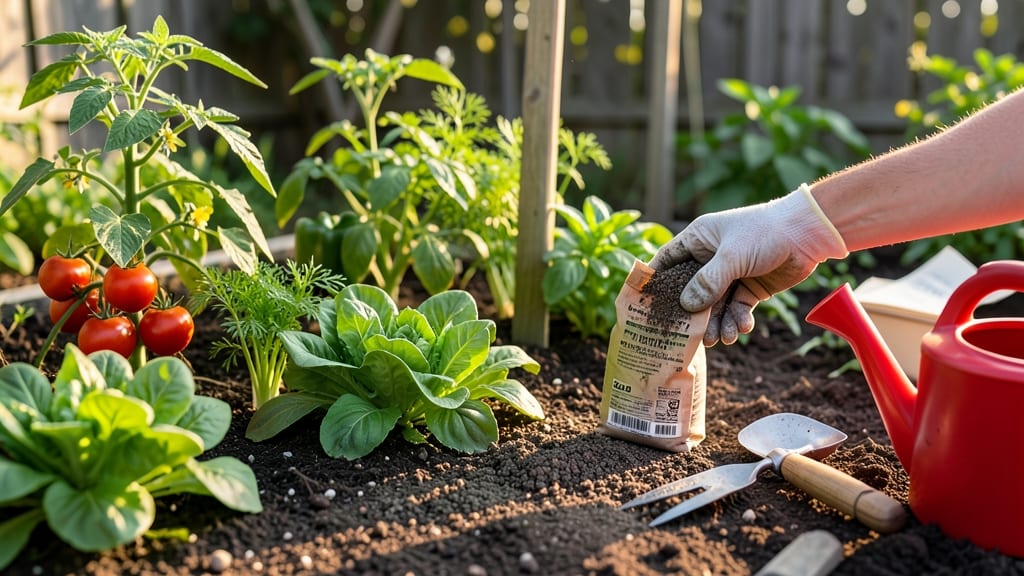
To apply fertilizer to your vegetable garden at the right time means catching plants when they’re hungry—not when they’re already full or stressed.
Picture this: You’ve just planted your 🥕 seeds after months of planning, and the soil looks perfect. But if you fertilize too early, you risk burning tender roots. Too late, and your plants bolt or produce half the yield. Timing isn’t just about the calendar—it’s about reading your garden’s cues.
Most gardeners miss the three key windows: pre-planting to kickstart growth, mid-season to fuel flowering, and late summer to prep for fall harvests. Even the best fertilizer won’t help if you apply it when your plants are already overloaded or dormant.
Below, I’ll break down the exact moments to feed your garden—plus how to spot when it’s not time yet.
You’ll leave here knowing when to hold off (like right after transplanting), how often to feed (spoiler: it’s not monthly for everyone), and the simple tricks to avoid wasting fertilizer—or your hard-earned dollars.

Optimal fertilizer application times by plant growth stage
Fertilizing your vegetable garden at the right time isn't just about throwing down nutrients—it's about feeding your plants when they actually need them. Too early, and you waste resources; too late, and your crops struggle to reach their full potential.
The key lies in understanding your plants' growth stages and how they interact with soil temperature and seasonal shifts. For example, a tomato plant needs different care than leafy greens, and cool-season crops like kale have entirely different timelines than warm-season favorites like peppers.
Think of fertilizer as a growth catalyst—like a well-timed sprint coach pushing your plants to perform at their best. The pre-planting stage sets the foundation, while early growth and flowering/fruiting stages require precise nutrition to avoid stress or burnout.
Even the soil temperature plays a role: most vegetables won’t thrive until the ground warms to at least 50°F (10°C), while others, like squash, need even warmer conditions.
Here’s the science-backed breakdown of when to fertilize, tailored to your plants’ life cycle and the unique needs of warm-season vs. cool-season crops. This table will help you plan your fertilizer schedule like a pro, ensuring your garden gets the right nutrients at the right time.
Let’s break down why these timings work. For warm-season crops, the pre-planting stage is all about prepping the soil with compost or aged manure 2-4 weeks before transplanting. This gives microbes time to break down nutrients, making them available when your plants need them.
Once your seedlings are in the ground, a light feeding at transplanting and again in 3-4 weeks helps them establish roots without overwhelming them.
When your tomatoes or peppers start flowering, that’s your cue to switch to a phosphorus-heavy fertilizer. Phosphorus (the middle number in NPK) encourages strong root development and flower formation. Skip this step, and you’ll end up with lots of leaves but few fruits.
For cool-season crops like kale or carrots, timing is slightly different: they thrive in cooler soil and benefit from a high-nitrogen boost early on to promote leafy growth.
During the fruiting stage, your plants are working hard to produce edible yields
How to adjust fertilizer timing based on soil type and climate
Your vegetable garden's soil type and local climate dictate when—and how often—to fertilize. Sandy soils drain nutrients too quickly, while clay soils hold them for too long, creating very different schedules.
Even high-altitude gardens or arid climates need adjustments to avoid waste or nutrient burn. Let’s break down how to read your soil and climate to create the perfect feeding plan.
First, test your soil pH and nutrient levels using a home kit or lab analysis. Most vegetables thrive in slightly acidic soil (pH 6.0–7.0). If your soil is too sandy, nutrients like nitrogen and phosphorus wash away within days, requiring frequent light feedings.
Conversely, clay-heavy soil can lock out nutrients, demanding slower-release fertilizers or compost top-dressing to prevent buildup.
⚠️ callout warning ⚠️
Clay soils hold moisture and nutrients for long periods, but excess fertilizer can cause nutrient burn or salt buildup. Always:
- Use half the recommended dose for clay-heavy gardens.
- Apply slow-release fertilizers (like compost or worm castings) instead of quick-acting granules.
- Water deeply after fertilizing to help nutrients penetrate compacted layers.
For sandy soils, split your fertilizer applications into bi-weekly doses during the growing season. For example, if you’re growing tomatoes, apply a balanced 10-10-10 fertilizer at planting, then every 2 weeks until fruit sets.
In clay soils, stretch feedings to every 6–8 weeks and focus on organic matter like compost or aged manure to improve structure.
Climate plays a huge role too. In dry climates (like the Southwest U.S.), fertilize early in the morning to reduce evaporation loss.
In rainy regions (Pacific Northwest), avoid fertilizing before heavy rains to prevent nutrient runoff. High-altitude gardens (above 5,000 ft) often need earlier spring feedings because cooler soils slow nutrient uptake.
Pay attention to your plants’ growth signals. If leafy greens like spinach or lettuce show pale yellow leaves, they’re nitrogen-deficient and need a quick feed. For fruiting plants like peppers or cucumbers, dark green leaves with slow fruit development signal a need for phosphorus.
Adjust your schedule based on these cues rather than sticking to a rigid calendar.
Pro tip: Keep a garden journal to track when you fertilize, what you use, and how your plants respond. Over time, you’ll spot patterns—like tomatoes needing a potassium boost in late summer or carrots thriving with a light nitrogen feed in early spring.
This personalized approach beats guesswork every time.