
Watering
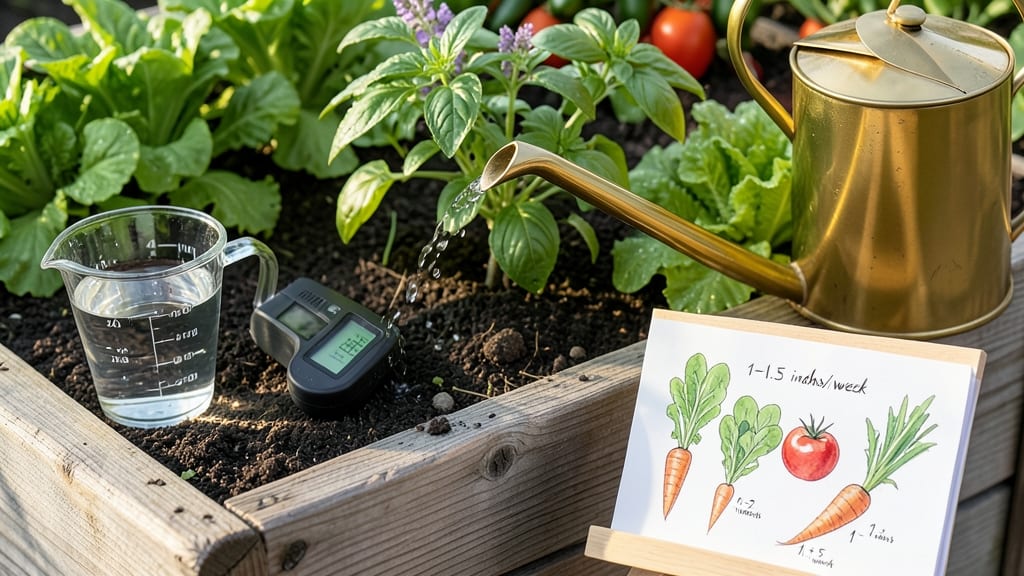
A vegetable garden needs 1 to 2 inches of water per week to thrive, but the real secret lies in how you deliver it—deep soaks that encourage strong roots instead of shallow sprinkles that waste water.
Picture this: you’ve spent hours planting your 🥬 garden, only to watch it wilt under the midday sun or drown in soggy soil. The truth is, most gardeners either overwater (washing away nutrients) or underwater (stressing plants during heatwaves).
Water needs vary wildly—leafy greens like lettuce prefer consistent moisture, while root crops like carrots need deeper, less frequent watering. Climate, soil type, and even the time of day you water can turn a guess into a science.
In this guide, I’ll break down exactly how much water your garden needs by plant type, plus drought-proofing tips to keep your harvest lush even when rain is scarce. Let’s get those roots drinking the right way.
Weekly water requirements for common vegetable plants
Watering your vegetable garden isn't just about keeping the soil damp—it's about delivering the right amount of water to each plant type at the right time. Leafy greens like lettuce and spinach need consistent moisture, while root vegetables such as carrots and potatoes prefer deeper, less frequent watering.
Understanding these differences prevents stress and maximizes your harvest.
Most vegetables thrive with 1-2 inches of water per week, but this varies by plant type, soil, and climate. Fruiting plants like tomatoes and peppers actually need more water during flowering and fruiting to prevent blossom end rot.
Meanwhile, herbs like basil can wilt quickly if their soil dries out, while onions tolerate drier conditions once established.
The key is monitoring soil moisture rather than sticking to a rigid schedule. Stick your finger 1-2 inches into the soil—if it feels dry, it's time to water. For container gardens, check daily since pots dry out faster.
Adjust your watering routine based on seasonal changes, like reducing water in cooler months or increasing it during heatwaves.
🌱
| Plant Type | Weekly Water Needs | Soil Moisture Test | Seasonal Adjustments |
|---|---|---|---|
| Leafy Greens (Lettuce, Spinach, Kale) | 1-1.5 inches/week | Top 1 inch dry = water | Increase in summer, reduce in fall |
| Root Vegetables (Carrots, Potatoes, Beets) | 1-2 inches/week (deep water) | 2 inches dry = water | Less frequent in cooler months |
| Fruiting Plants (Tomatoes, Peppers, Cucumbers) | 1.5-2.5 inches/week | Top 2 inches dry = water | Increase during fruiting |
| Herbs (Basil, Parsley, Cilantro) | 1 inch/week (daily in heat) | Top 0.5 inch dry = water | More frequent in summer |
| Onions & Garlic | 0.75-1.5 inches/week | 1 inch dry = water | Reduce after bulbing starts |
For leafy greens, aim for even moisture—they wilt fast when dry but also struggle with soggy soil.
Use a light sprinkle daily or 1-1.5 inches weekly, depending on heat. Root crops like carrots and potatoes need deep watering to encourage straight growth, but avoid overwatering, which causes rotting. Water deeply 2-3 times per week instead of shallow daily doses.
When it comes to fruiting plants, consistency is critical. Tomatoes and peppers need 1.5-2.5 inches per week, especially during flowering and fruiting. Drip irrigation works best here, as it delivers water directly to the roots without wetting the leaves—reducing disease risk.
For herbs like basil, frequent light watering prevents bolting (flowering too soon), so check soil moisture daily in hot weather.
Adjust your watering based on weather and soil type. Sandy soil drains quickly, so you may need to water daily in summer, while clay soil holds moisture longer, requiring less frequent watering.
Always water in the early morning to minimize evaporation and fungal diseases. If rain is forecasted, skip watering that day to avoid over-saturation.
💧
Don’t forget to mulch your garden—a 2-3 inch layer of straw or wood chips retains moisture, reduces weeds, and keeps roots cool. This is especially helpful for drought-prone areas or container gardens, where soil dries out faster.
Mulching can cut your water needs by up to 30%, saving time and resources while keeping plants healthy.
Finally, pay attention to plant signals. Yellowing leaves often mean overwatering, while crispy edges or wilting indicate underwatering. Adjust as needed, and remember: deep, infrequent watering encourages stronger root systems than shallow, frequent watering. With these guidelines, your vegetable garden will stay hydrated and productive all season long.
☀️
Signs of overwatering vs. underwatering in vegetable gardens
Getting the water balance right in your vegetable garden is tricky—too much or too little can ruin your harvest. Overwatering and underwatering both cause visible stress, but the symptoms look different. Learning to spot these signs early helps you adjust irrigation before damage sets in.
I’ve seen tomatoes rot from soggy soil and lettuce bolt from thirst, so I know how critical this is!
Start by checking your plants’ leaves and soil. Yellowing leaves or mushy stems often signal overwatering, while wilting or crispy edges mean underwatering. The key is observing these clues daily, especially during hot weather or after heavy rain.
For example, peppers and eggplants wilt dramatically when thirsty but recover quickly with water.
Here’s how to tell them apart with actionable fixes:
Overwatering vs. Underwatering in Vegetables
- Yellow leaves (especially lower ones)
- Mushy stems or blackened roots
- Fungal growth (mold, mildew)
- Slow growth despite wet soil
- Wilting leaves (even in morning)
- Crispy edges or brown leaf tips
- Dry, cracked soil around roots
- Stunted growth with drooping flowers
- Let soil dry 2-3 inches deep
- Improve drainage with compost
- Water only in morning (avoid evening)
- Water deeply (1-2 inches per week)
- Use mulch to retain moisture
- Water at soil level (not leaves)
For root vegetables like carrots or potatoes, overwatering causes rotting before harvest, while underwatering leads to hard, woody textures. Test soil moisture by sticking your finger 2 inches deep—if it’s dry, water immediately. I always check tomato plants this way; they’re especially sensitive to moisture swings.
Adjust your watering schedule based on the season. In summer, most vegetables need water every 2-3 days, while fall plants thrive with every 4-5 days. Pay attention to weather forecasts too—afternoon rain can mean skipping your next watering session.
For example, zucchini and cucumbers wilt fast in heat but recover with a deep soak in the morning.
Remember, consistency is key. Overwatering creates anaerobic soil (root suffocation), while underwatering stresses plants into early flowering or bolting. If you’re unsure, err on the side of underwatering slightly—most vegetables bounce back faster than you think! 🌱