
Fertilization
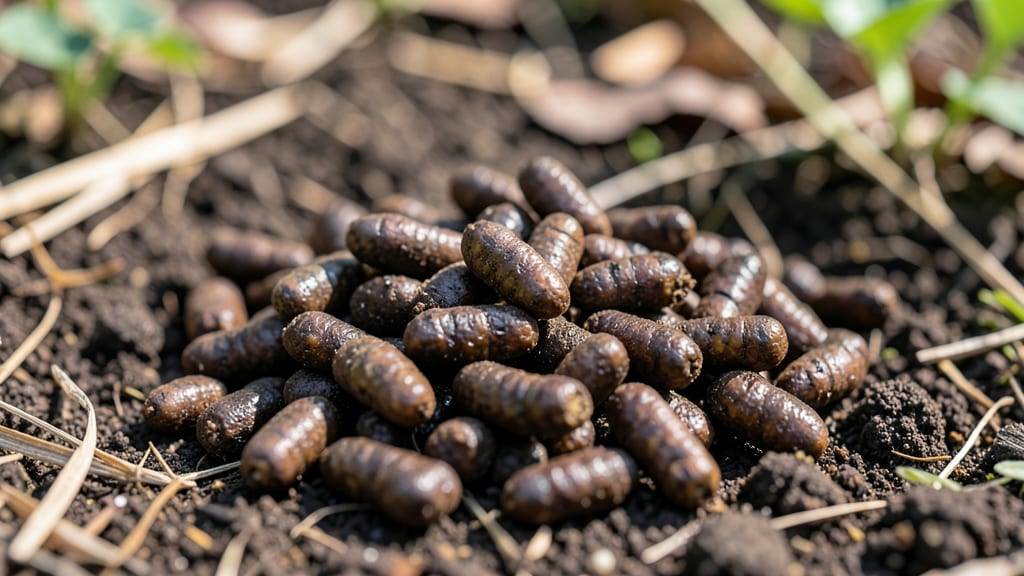
To use rabbit manure in garden, apply aged compost (3-6 months old) at a ratio of 1 part manure to 4 parts soil, either as a 1-inch top layer or mixed into planting holes. Never use fresh manure, as its high nitrogen can scorch plants, and limit total application to no more than 20% of soil volume.
Rabbit manure is a gardener's secret weapon, but timing and preparation make all the difference. 🌱 When properly aged, it transforms into a nutrient-rich fertilizer packed with nitrogen, phosphorus, and potassium—ideal for everything from leafy greens to flowering plants.
The key is patience: fresh manure's high ammonia content can damage plant roots, while composted manure gently feeds soil microbes over time. For best results, mix it into garden beds in early spring or fall, avoiding direct contact with plant stems.
I’ve found that blending aged rabbit manure with compost creates a powerhouse soil amendment. Spread a thin layer (about 1 inch) over existing soil, then lightly till it in to distribute nutrients evenly.
This method works especially well for vegetable gardens, where plants benefit from steady nutrient release throughout the growing season. Always test your soil first—if it’s already rich, you can reduce the manure ratio to 1 part per 6 parts soil to avoid over-fertilizing.
💡 In This Article
- Why Aging Rabbit Manure Improves Garden Soil
- Best Application Methods for Rabbit Manure in Gardens
Why aging rabbit manure improves garden soil
Rabbit manure starts as a potent but volatile fertilizer due to its high nitrogen content—up to 4% nitrogen by weight—along with phosphorus and potassium. However, fresh manure contains harmful pathogens like E. coli and Salmonella, which can contaminate edible plants.
During composting, these pathogens die off within 3-6 months as temperatures reach 131°F-140°F (the "thermophilic" range), creating a safe, nutrient-rich amendment. 🔥 The breakdown process also transforms the manure's fibrous texture into a crumbly, soil-like consistency that integrates seamlessly into garden beds.
What truly transforms rabbit manure is microbial activity. As decomposers like bacteria and fungi break down the fibrous material, they convert the nitrogen into more plant-available forms, such as ammonium and nitrate. This process also stabilizes the nitrogen, preventing the "burn" effect that fresh manure causes when applied directly.
Aged manure typically has a balanced NPK ratio (nitrogen-phosphorus-potassium) of about 2-3-2, making it ideal for most plants without the risk of over-fertilization. For comparison, fresh manure can have a ratio as extreme as 5-3-2, which can overwhelm plant roots.
The aging process also improves the manure's water-holding capacity. Fresh rabbit manure repels water due to its waxy outer layer, but composting breaks down these hydrophobic compounds. This means aged manure can hold up to 30% more moisture than fresh, which is crucial during dry spells.
The resulting compost also introduces beneficial microbes that enhance soil structure and suppress harmful pathogens, creating a more resilient growing environment. 🌱
One common misconception is that all aged manure is the same. However, the quality depends on how it's composted. A well-aerated pile with a carbon-to-nitrogen ratio of 25:1 to 30:1 (adding straw or leaves) produces a darker, richer compost.
Poorly managed piles may still contain ammonia or incomplete decomposition, so always look for a crumbly texture, earthy aroma, and absence of strong odors. For the best results, turn the compost pile every 2-3 weeks to maintain oxygen flow and speed up the process.
For gardeners in cooler climates, consider using a compost bin or vermicomposting with worms, which can accelerate the breakdown process. Worm castings (worm manure) from rabbit compost are especially prized for their high microbial activity and gentle nutrient release.
These castings can be applied directly to seedlings or mixed into potting soil for container gardens, providing a mild but consistent nutrient boost without the risk of burning tender roots. 💫
To test if your rabbit manure is ready, perform a simple compost maturity test: Look for a dark brown or black color, a crumbly texture that resembles potting soil, and no recognizable rabbit droppings.
If it still smells strongly of ammonia or has a wet, slimy feel, it needs more time. Properly aged manure should have a mild, earthy scent similar to forest soil after a light rain.
This transformation is what turns raw manure into a garden goldmine—rich in nutrients and safe for all plants. ✨