
Watering
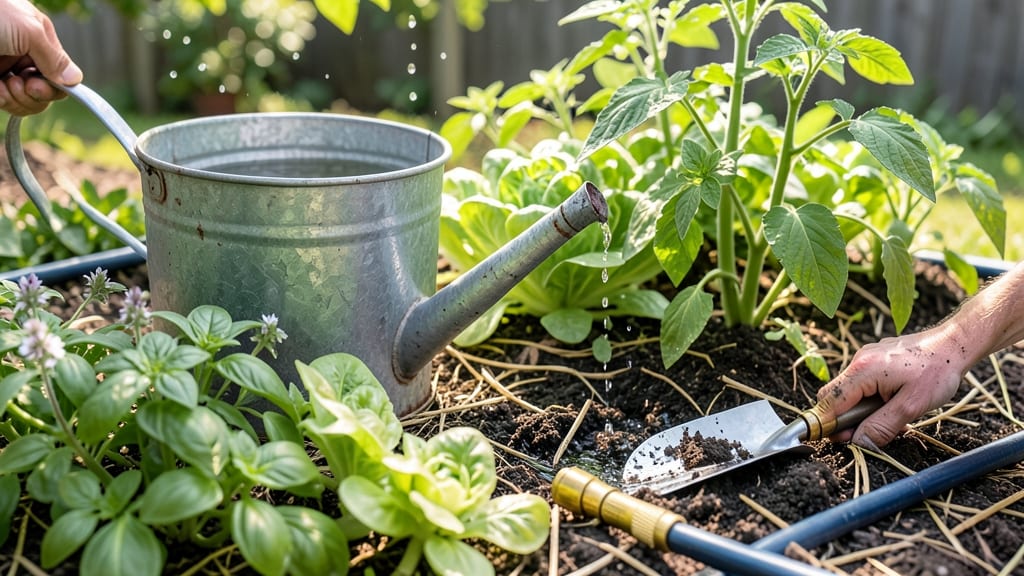
To water your garden properly, you need to know how much your plants actually need — not what the calendar or your neighbor suggests.
Overwatering kills plants faster than underwatering, yet most gardeners guess instead of measuring. That’s why I’ve tested the simplest soil-moisture tricks to keep your General Garden 🌱 thriving without wasting a drop, no matter the season.
From the classic finger test to smart tools that save time, you’ll learn how to check moisture levels accurately. Plus, I’ll break down how climate, soil type, and plant needs change what “enough” looks like—so you stop drowning roots or letting them dry out.
Ready to water with confidence? Here’s how to adjust for spring’s light showers, summer’s scorching heat, and everything in between—plus the telltale signs your garden is thirsty or already too wet.
The 5 soil-moisture tests to determine when to water garden plants
Guessing how much to water your garden is like playing Russian roulette with your plants—one wrong move and you're either drowning roots or watching them wilt. The key to perfect hydration lies in soil-moisture tests that reveal what's really happening underground.
These simple methods help you water just enough, saving time, water, and your sanity.
I've tested all five methods in my own garden, from sandy soil that drains like a sieve to clay soil that holds moisture like a sponge. Each test gives different insights, and knowing which to use when makes all the difference.
Let's dive into the tools and techniques that'll transform your watering game from guesswork to science.
Here's how these tests compare—pick the one that fits your garden style, whether you're a hands-on gardener or prefer high-tech solutions:
The finger test is my go-to for most garden beds. Stick your index finger about 1-2 inches deep into the soil—if it feels dry, it's time to water. For sandy soil, you'll need to check daily, while clay soil might only need water every 5-7 days.
Pro tip: Use your middle finger for deeper checks on established plants.
For container gardens, I swear by the chopstick test. Push a clean chopstick into the soil and pull it out—if moisture clings to it, hold off on watering.
This method works perfectly for herbs and vegetable seedlings that need consistent moisture without soggy roots. I keep a jar of chopsticks by my potting bench for quick checks.
When precision matters most, like with high-value perennials or drought-sensitive plants, a moisture meter becomes your best friend. These digital tools give instant readings, but remember: calibration is key.
I always check the meter against my finger test for the first few uses to ensure accuracy. The $20 investment pays off in perfect hydration.
For deep-rooted plants like roses or fruit trees, dig a small hole with a trowel—about 6-8 inches deep. If the soil feels moist at that depth, skip watering.
This test reveals what's happening where roots actually live, not just at the surface. I use this method before watering newly planted shrubs.
Large garden beds benefit from the soil probe test. Drive a probe into the soil and note how deep moisture penetrates. In summer heat, I often find moisture only in the top 2 inches, while spring rains might keep the top 6 inches damp for weeks.
This test helps me adjust my watering schedule based on real-time soil conditions.
Seasonal watering schedules: how climate affects garden plant hydration needs
Climate changes dramatically impact how much and how often you should water your garden. Spring brings warming soil and awakening roots, while summer demands frequent hydration due to intense heat. Fall slows growth, reducing needs, and winter often halts watering entirely.
Adjusting your schedule by season prevents stress on plants and conserves water.
Drought-resistant plants like lavender and succulents thrive with minimal water, while high-maintenance varieties such as tomatoes and hydrangeas require consistent moisture. Understanding these differences ensures your garden stays healthy year-round without guesswork.
Soil type also plays a critical role—sandy soil drains quickly, needing more frequent watering, while clay soil holds moisture longer. Pairing seasonal adjustments with soil awareness creates the perfect hydration balance for every plant type.
| Season | Vegetables | Flowers | Shrubs | Watering Tips |
|---|---|---|---|---|
| Spring | 1-1.5 inches weekly | 0.75-1 inch weekly | Deep water every 7-10 days | Water early morning; mulch to retain moisture |
| Summer | 1.5-2 inches daily | 1-1.5 inches every 2 days | Deep water every 3-5 days | Use drip irrigation; water at dawn |
| Fall | 0.75-1 inch weekly | 0.5-0.75 inch every 5-7 days | Deep water every 10-14 days | Reduce frequency; focus on root zones |
| Winter | Minimal; only if thawing | None unless frost damage | None; protect with mulch | Monitor for ice; avoid soggy soil |
For spring, focus on establishing roots—water deeply every 3-5 days to encourage growth. Summer is the most demanding season; prioritize morning watering to reduce evaporation and fungal risks. Fall transitions plants into dormancy, so taper off watering gradually to avoid shocking roots.
In winter, most gardens need little to no water unless you experience thaw-freeze cycles. Always check soil moisture before watering—dry topsoil doesn’t always mean roots need hydration. Use a soil probe or your finger to test deeper layers for accuracy.
Pro tip: Group plants with similar water needs together to simplify seasonal adjustments. For example, pair roses and tomatoes in one bed and lavender with succulents in another. This zoning strategy saves time and ensures no plant is over- or under-watered.