
Watering
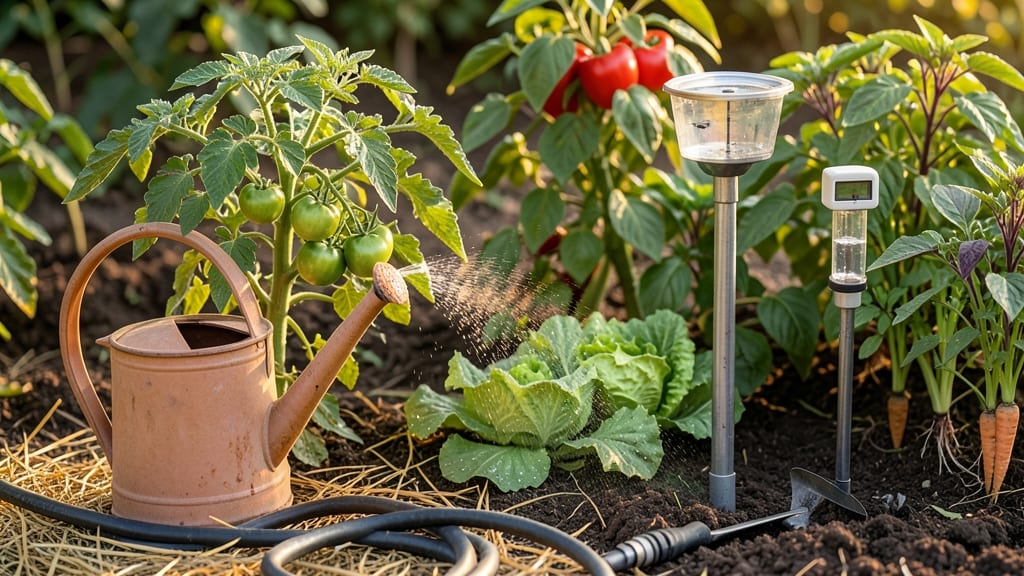
You should water a veggie garden based on soil moisture, not a calendar — most gardeners overdo it, drowning roots while others leave plants thirsty, both mistakes that stifle growth.
Picture this: your 🥬 garden thrives one week, then wilts the next despite "watering every day." The problem isn’t the schedule—it’s the guesswork. A simple finger test or chopstick check tells you exactly when roots need hydration, saving time, water, and your sanity.
Below, I’ll walk you through five foolproof soil-moisture tests that work for any vegetable, from leafy greens to root crops, plus how to adjust for clay, sandy soil, or containers. No more wasted water or stressed plants.
You’ll also learn the one critical mistake that turns your garden into a swamp (or a desert) and how to fix it in three simple steps. Ready to water smarter?
How often to water vegetables based on soil type and plant needs
Watering your vegetable garden isn't one-size-fits-all—soil type and plant category dictate how often you should water. Sandy soil drains quickly, while clay holds moisture longer. Leafy greens need frequent, shallow watering, whereas root crops thrive with deep, infrequent soaks. Understanding these differences prevents drought stress or root rot.
First, test your soil's moisture retention by digging 2 inches deep. If it feels dry, it's time to water. Sandy soil may need daily checks in summer, while clay soil might only need watering every 5-7 days.
Adjust based on your plants' needs—tomatoes and peppers hate soggy roots, but lettuce wilts fast without consistent moisture.
📋 Summary Table: Watering Guidelines by Soil & Plant Type
For leafy greens, shallow watering keeps the topsoil moist but prevents root rot. Aim for 1-2 inches of water weekly, but adjust if rainfall exceeds this.
In sandy soil, water lightly every morning to encourage shallow roots, while clay soil benefits from deeper, less frequent watering to avoid compaction.
Root crops like carrots and beets need consistent moisture but hate soggy soil. Water deeply 2-3 times per week in sandy soil, ensuring the water penetrates at least 3-4 inches. In clay soil, reduce frequency to once every 5-7 days and let the top inch dry between waterings to prevent rot. Mulch with straw to regulate moisture.
Fruiting plants such as tomatoes and peppers require the most attention. Their deep roots need 6 inches of moisture weekly, but avoid wetting the leaves to reduce fungal diseases.
In sandy soil, water every 2-3 days with a soaker hose, while clay soil may only need watering every 4-5 days. Always water in the morning to allow foliage to dry quickly.
Seasonal adjustments are critical. During heatwaves, increase watering frequency by 30-50% and water deeper to cool roots. In droughts, group plants by water needs and prioritize young seedlings and fruiting plants. Fall brings reduced water needs—cut back to every 7-10 days unless rainfall is scarce.
Use a moisture meter or the finger test to check soil moisture. Stick your finger 1-2 inches deep; if dry, water thoroughly. For container gardens, water daily in summer since pots dry out faster. Always water until it drains from the bottom, ensuring roots get the oxygen they need.
Mulching with straw or wood chips retains moisture and regulates soil temperature. Apply a 2-3 inch layer around plants, keeping it 2 inches away from stems to prevent rot. This simple step reduces watering by 30% while protecting plants from temperature swings.
Watch for signs of overwatering (yellowing leaves, mold) or underwatering (wilting, crispy edges
5 Soil-moisture tests to water smarter (no guessing required)
Watering your veggie garden is like Goldilocks—too much or too little ruins everything. The key? Testing soil moisture instead of relying on timers or guesswork. These science-backed tests help you water deeply and efficiently, whether you're growing tomatoes in containers or carrots in raised beds.
Most gardeners overwater by 30-50%, thinking plants need more than they actually do. But with these tests, you’ll know exactly when to water your veggies—saving time, water, and your sanity.
Let’s dive into the easiest methods to check soil moisture, tailored for containers, raised beds, and in-ground gardens.
- 🌱 Leafy greens (lettuce, spinach): Water every 1-2 days—soil should stay consistently moist but not soggy.
- 🥕 Root veggies (carrots, radishes): Water every 2-3 days—let top 1 inch dry out between waterings to prevent rot.
- 🍅 Fruiting plants (tomatoes, peppers): Water every 2-3 days deeply—avoid wetting leaves to prevent disease.
- 🌿 Containers (herbs, peppers): Water daily in summer—small pots dry out 3x faster than in-ground soil.
- 🌡️ Extreme heat (90°F+): Water morning and evening—deep soak 1-2 inches per session to cool roots.
Start with the finger test, the simplest way to check moisture. Stick your index finger 1-2 inches deep into the soil. If it feels dry and crumbly, it’s time to water. For container gardens, the soil may dry out faster—check daily during hot summers.
Next, try the chopstick method for a deeper read. Push a clean chopstick into the soil and pull it out. If it comes out clean or with minimal dirt, your soil is dry.
If it’s coated with moisture, hold off on watering. This works great for raised beds where soil dries unevenly.
For precision, invest in a moisture meter. These digital tools give real-time readings and are perfect for in-ground gardens with varying soil types. Set it to 60-70% moisture for most vegetables—any lower, and roots struggle to absorb water.
Watch for visual cues like wilting leaves or yellowing foliage, which often signal underwatering. Conversely, mushy stems or fungus growth mean you’re overwatering. Adjust your schedule based on these signs, especially for sensitive crops like cucumbers or lettuce.
Pro tip: Mulch your veggie garden to retain moisture and reduce evaporation. A 2-inch layer of straw or wood chips keeps soil cool and locks in hydration, cutting watering needs by up to 30%.
Pair these tests with mulching, and you’ll have a thriving, efficient garden in no time. 🌱