
How To
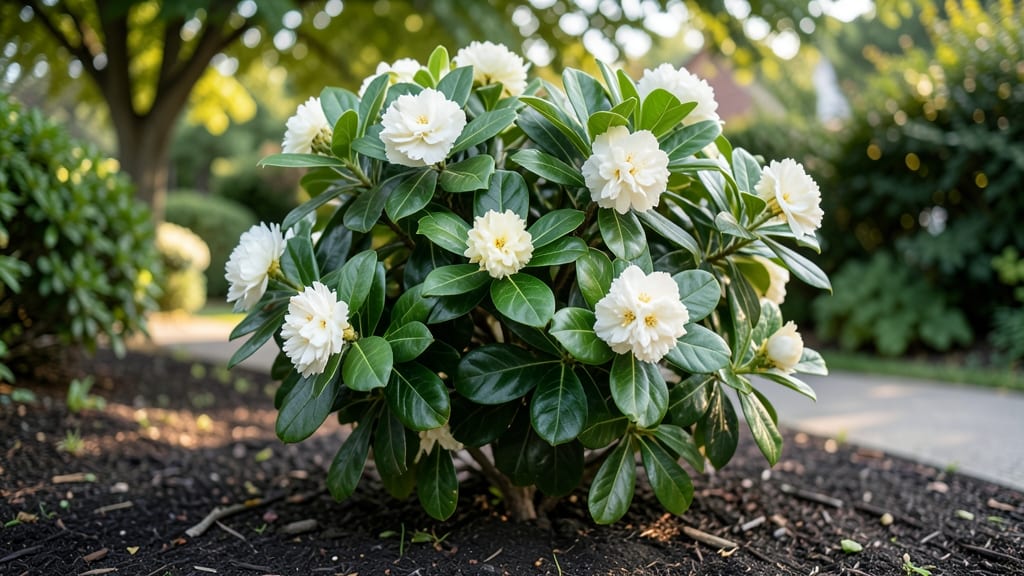
A gardenia can grow anywhere from 1 to 6 feet tall, depending on the variety and how you care for it 🌸 — but most gardeners are surprised by how much pruning and sunlight shape the final height.
Picture this: a compact gardenia spilling over a patio planter in 2 feet of lush, fragrant growth, or a towering 6-foot shrub dominating your backyard as a privacy screen. The difference? Variety, soil, and whether you’re pinching back new growth or letting it stretch toward the sky.
If you’re planning your garden layout, knowing these heights helps you choose the right spot—whether that’s a dwarf variety for containers or a standard shrub for a hedge. Below, I’ll break down the exact heights for popular types, plus pruning secrets to keep your gardenia at your ideal size.
You’ll also discover how sunlight and soil pH can push a gardenia toward its maximum potential—or hold it back—so you can grow the perfect-sized plant for your space.


Gardenia height by variety: from dwarf to giant shrubs
If you’re planning your garden layout around gardenias, knowing their mature heights is essential. The Gardenia jasminoides, the most common variety, typically reaches 3 to 6 feet tall with proper care. However, some varieties stay compact, while others can grow taller with ideal conditions.
Understanding these differences helps you choose the perfect gardenia for your space, whether it’s a patio container or a privacy hedge.
Gardenias thrive in USDA hardiness zones 7-11, but their growth potential varies by variety and growing conditions. For example, G. radicans (Cape Jasmine) can climb like a vine, reaching heights of 10 to 15 feet when given support.
Meanwhile, G. augusta, a rare tropical variety, can grow even taller—up to 15 feet or more in ideal climates. Soil acidity, sunlight exposure, and pruning habits all play critical roles in determining how tall your gardenia will grow.
🌱 Here’s a quick reference for gardenia heights by variety:
Soil acidity is one of the biggest factors influencing gardenia height. These plants thrive in acidic soil with a pH between 5.0 and 6.5. If your soil is alkaline, amend it with peat moss or sulfur to encourage optimal growth.
Without the right conditions, even the hardiest varieties like G. jasminoides may stay shorter than expected or produce fewer blooms. I’ve seen gardenias in alkaline soil struggle to grow beyond 2 feet tall, while those in acidic soil can easily reach their full potential.
Sunlight exposure also plays a crucial role. Gardenias need partial shade, especially in hotter climates like USDA zones 9–11. Too much direct sun can stunt growth, while too little shade may reduce flowering. In cooler zones (6–8), gardenias can tolerate more sun, often growing taller and bushier.
For example, my G. jasminoides in zone 7 reaches 5 feet tall with morning sun and afternoon shade, while the same variety in zone 10 stays closer to 3 feet without proper shade.
Pruning habits can drastically alter gardenia height. If you want a taller, tree-like gardenia, avoid heavy pruning and focus on shaping the top. For a compact, bushy look, prune regularly to encourage branching.
I prune my G. radicans annually to keep it under 8 feet tall while still allowing it to climb a trellis. Without pruning, this variety can easily exceed 12 feet in just a few years. Always prune after flowering to avoid cutting off next year’s blooms.
Climate is another game-changer. In humid, tropical zones (10–11), gardenias grow faster and taller due to ideal conditions. However, in drier or cooler zones (6–8), growth slows, and mature heights may be smaller.
For instance, G. augusta can reach 15 feet in zone 11 but may only grow to 6 feet in zone 7 without winter protection. If you live in a cooler zone, choose hardier varieties like 'Kleim's Hardy' or provide winter mulch to encourage taller growth.
Container-grown gardenias typically stay shorter than those planted in the ground. A dwarf variety in a 15-gallon pot might only reach 2 feet tall, while the same plant in the ground could grow to 4 feet.
Root-bound conditions slow growth, so repot every 2–3 years and use well-draining, acidic potting mix. For larger varieties like G. fortunata, choose oversized containers to accommodate their root systems and encourage taller growth.
If you
Pruning gardenias for height control: when, how, and why
Pruning gardenias isn’t just about keeping them tidy—it’s the key to controlling their height and encouraging healthier blooms. Without proper pruning, your Gardenia jasminoides could easily reach 6 feet or more, while dwarf varieties might sprawl uncontrollably. The good news?
With the right techniques, you can shape your gardenia to fit your space—whether that’s a 2-foot patio shrub or a 4-foot hedge. The secret lies in timing, tools, and knowing which cuts to make (and which to avoid).
Timing is everything when pruning gardenias. Spring pruning (right after flowering) is ideal for shaping and reducing height, while light summer pruning helps maintain airflow and prevent pests.
Avoid pruning in fall or winter, as this can stimulate new growth too late in the season, leaving your plant vulnerable to cold damage. I’ve learned the hard way—pruning too late in the year can turn your fragrant beauty into a frost-sensitive mess!
Before you grab your shears, gather these essential tools: bypass pruners for clean cuts, sterilized rubbing alcohol to disinfect tools between cuts, and sharp garden shears for larger branches. Never use dull tools—ragged cuts slow healing and invite disease.
Pro tip: Wear gloves! Gardenias have thorny stems that can leave scratches, and their sap can irritate sensitive skin.
Step-by-Step Pruning Guide for Height Control
- Step 1: Wait until spring (after last frost) or early summer to prune. Avoid pruning in fall or winter.
- Step 2: Remove dead or diseased branches first—cut back to healthy green wood.
- Step 3: For height reduction, cut just above a leaf node (where new growth emerges). Never leave stubs!
- Step 4: Thin out overcrowded branches to improve airflow. Aim for an open, vase-like shape.
- Step 5: After pruning, apply gardening hormone powder to large cuts to prevent infection.
- Step 6: Water deeply and mulch around the base to reduce stress from pruning.
One of the biggest mistakes I see is pruning too aggressively all at once. Gardenias are sensitive plants, and over-pruning can shock them into dropping leaves or even stunting future blooms.
Instead, prune in stages: remove up to 1/3 of the plant’s height in one session, then wait a few weeks before shaping further. Also, avoid cutting into old wood—new growth only comes from current-season branches.
If your goal is to encourage more flowers, focus on pruning after blooming season. The plant’s energy shifts from flowering to leaf production after blooms fade, so a light trim in late spring can redirect that energy back to buds.
For height control, prune just before new growth begins in early spring. I’ve found that gardenias respond best to gradual pruning—think of it like giving them a haircut, not a buzz cut!
After pruning, your gardenia will need extra care to recover. Increase watering slightly for the first week, and avoid fertilizing until new growth appears. Monitor for pests like aphids, which love stressed plants. If you notice yellowing leaves or slow regrowth, your cuts may have been too severe.
With patience and the right approach, your gardenia will bounce back with lush foliage and abundant blooms—all while staying at your desired height.