
How To
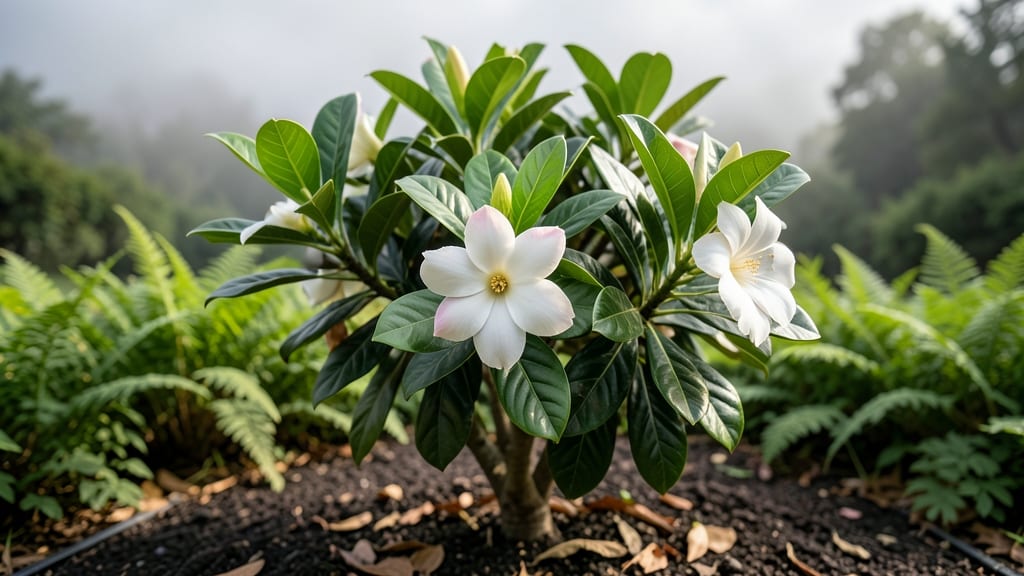
Gardenias grow between 1 and 6 feet tall, depending on the variety and care you provide—so whether you want a compact accent plant or a fragrant hedge, there’s a perfect size for your space.
If you’ve ever dreamed of adding fragrant, glossy gardenias to your landscape but hesitated due to size concerns, you’re not alone. These tropical beauties come in a surprising range of heights, from dwarf varieties that stay under 2 feet to standard shrubs reaching 6 feet or more.
The Gardenia jasminoides, the most common type, typically matures between 3 and 5 feet, while Gardenia augusta can grow even taller if left unpruned. With the right pruning techniques and growing conditions, you can easily control their height and shape to fit your garden’s needs.
In this guide, I’ll break down the height ranges for popular gardenia varieties, share pruning secrets to maintain your desired size, and reveal the care tips that keep these plants thriving—no matter how tall (or short) you want them to be.


Gardenia height by variety: from dwarf to giant species
If you’re wondering how tall gardenias grow, the answer depends entirely on the variety you choose. These fragrant shrubs can range from compact dwarf types perfect for containers to towering specimens that make stunning focal points.
Knowing the mature height of each variety helps you plan your landscape design while ensuring you select a plant that fits your space and care capabilities.
Most gardenias belong to the Gardenia jasminoides species, but their heights vary dramatically. Some stay under 3 feet tall, while others can reach 15 feet or more when grown in ideal conditions.
The key to managing their size lies in understanding each cultivar’s growth habits and providing appropriate pruning and care.
| Variety | Mature Height | Growth Habit | Best For |
|---|---|---|---|
| 'Kleim’s Hardy' | 3–5 ft | Compact, bushy | Containers, small gardens, cold climates |
| 'Radicans' | 6–10 ft | Upright, spreading | Hedges, privacy screens, large landscapes |
| 'Veitchii' | 10–15 ft | Tall, tree-like | Tropical gardens, large estates, specimen planting |
| 'Fortuniana' | 3–6 ft | Bushy, multi-stemmed | Foundation plantings, mixed borders |
| 'Mystery' | 2–3 ft | Dwarf, rounded | Patio containers, window boxes, small spaces |
For those with limited space, 'Mystery' and 'Kleim’s Hardy' are excellent choices, staying under 5 feet tall while still producing abundant fragrant white blooms. These dwarf varieties thrive in containers or window boxes, making them perfect for balconies or patios.
Their compact size also means they require less pruning, which is great news for busy gardeners.
If you’re aiming for a statement-making shrub, 'Radicans' and 'Veitchii' are the giants of the gardenia world. These varieties can reach 10–15 feet tall, creating a dramatic backdrop for smaller plants or serving as a natural privacy screen.
However, their size means they need more space and regular pruning to maintain their shape and encourage healthy blooming.
One variety that often surprises gardeners is 'Fortuniana', which strikes a balance with its 3–6 foot height. It’s versatile enough for foundation plantings or mixed borders while still being manageable for most home landscapes.
Its dark green foliage and double blooms add a touch of elegance without overwhelming smaller gardens.
When selecting a gardenia, consider not just its height but also its growth rate and climate tolerance. For example, 'Kleim’s Hardy' is one of the few varieties that can tolerate USDA Zone 7 and even colder temperatures, making it ideal for northern gardens.
In contrast, 'Veitchii' thrives in tropical or subtropical climates and may struggle in cooler regions without winter protection.
To ensure your gardenia reaches its full potential height, provide it with well-draining, acidic soil (pH 5.0–6.5) and partial shade. These plants are sensitive to direct afternoon sun, which can scorch their leaves and stunt growth.
Additionally, consistent moisture is key—gardenias hate drought and may produce fewer blooms if they’re stressed.
Finally, remember that even the tallest gardenias can be pruned to control their height. Regular trimming in late winter or early spring encourages bushier growth and prevents leggy stems.
With the right variety and care, you can enjoy these fragrant, glossy beauties at just the right size for your space. 🌿
How to control gardenia height through pruning & training
If your gardenia is reaching for the sky faster than you’d like, don’t worry—you’re not powerless! With the right pruning techniques and seasonal timing, you can shape your gardenia into a compact bush, a tall hedge, or even a tree-like specimen.
The key is understanding when and how to prune without sacrificing those fragrant blooms you love. Let’s dive into the steps to keep your gardenia at your ideal height.
Gardenia’s natural growth habit makes it surprisingly adaptable. Most varieties grow 3–6 feet tall if left unpruned, but with strategic cuts, you can reduce height by 50% or encourage a fuller, bushier shape.
The best time to prune is just after the spring blooming cycle, typically in late May or early June, when new growth is starting but before summer heat stress sets in. This timing ensures you won’t cut off next year’s flower buds.
Why timing matters: Pruning at the wrong time—like mid-summer or fall—can shock the plant or remove potential blooms. Gardenias produce flowers on current year’s growth, so pruning too late in the season can stunt next year’s blooms. Always prune just above a leaf node or bud to encourage branching and fuller growth.
Step-by-Step Pruning Guide for Gardenia Height Control
- 1 Choose your target height: Decide whether you want a compact shrub (2–3 ft), a medium bush (3–5 ft), or a tall specimen (5–8 ft). This guides how aggressively you prune.
- 2 Prune after blooming: Wait until 2–3 weeks after your gardenia finishes flowering in spring. This ensures you’re not removing next year’s buds.
- 3 Cut back overgrown branches: Use clean, sharp shears to trim back 1/3 of the plant’s height if needed. Focus on long, leggy stems first to encourage bushiness.
- 4 Shape for fullness: Prune just above outward-facing buds to promote branching. Avoid cutting into old wood, as gardenias rarely regrow from it.
- 5 Light maintenance pruning: Throughout the growing season, trim dead or crossing branches to improve airflow and reduce disease risk. Avoid heavy pruning in summer.
- 6 Fertilize after pruning: Apply a balanced fertilizer (10-10-10) to support new growth. Use acid-loving plant food to maintain soil pH for optimal blooming.
For formal hedges or trained gardenias, you can also use stakes or wires to guide growth. Install support structures in early spring before new growth starts, and gently tie branches to shape them as they grow.
This method works best for taller varieties like ‘Radicans’ or ‘Veitchii’, which can reach 10+ feet if unchecked.
Remember, gardenias respond well to regular, gentle pruning rather than heavy annual cuts. Over-pruning can stress the plant and reduce flowering. If you’ve let your gardenia grow too tall, don’t panic—you can gradually reduce height over 2–3 years by pruning back 1/3 of the height each year.
Patience and consistency are key to achieving the perfect size for your space.
With these techniques, your gardenia will stay healthy, blooming, and perfectly sized—whether you prefer a neat hedge, a compact bush, or a tall, dramatic specimen. Happy pruning! ✂️🌿