
Tools
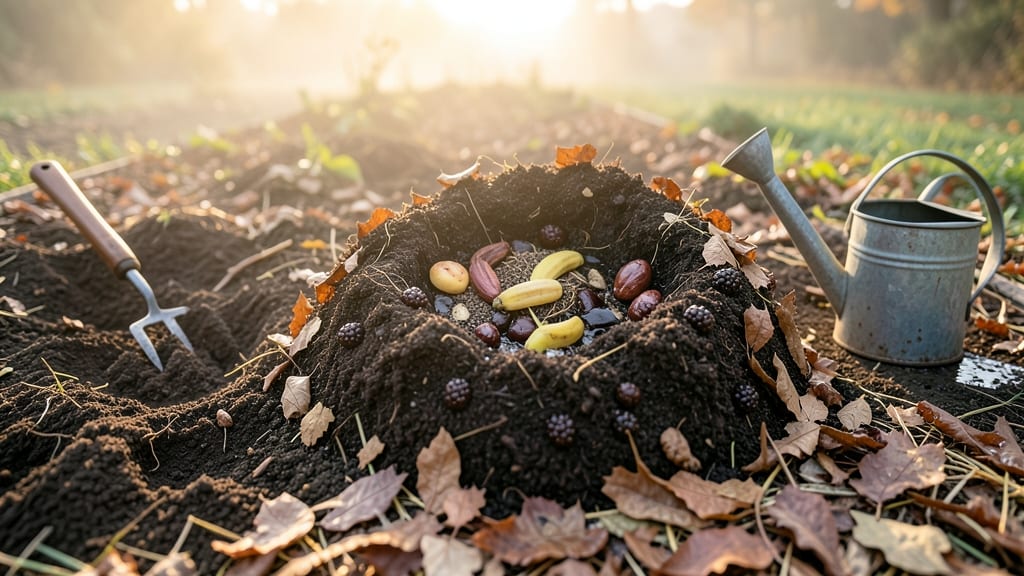
To attract earthworms to your garden, focus on creating ideal soil conditions: loose, well-drained soil rich in organic matter, consistent moisture, and partial shade. Avoid chemical fertilizers and excessive tilling, then use compost or leaf litter to naturally encourage their presence.
Earthworms thrive in soil that mimics their natural habitat—think of it as creating a five-star hotel for them. 🌱 The key is balancing moisture (they need dampness but not sogginess) with organic material like decomposed leaves or grass clippings.
I’ve found that adding a 2-inch layer of mulch around plants creates microclimates they love, while avoiding synthetic fertilizers prevents soil toxicity. What’s fascinating is how quickly they respond: within weeks, you’ll notice their tunnels aerating the soil naturally.
For faster results, try these proven tricks: sprinkle used coffee grounds (they adore the nitrogen) or bury banana peels near problem areas. Cover crops like clover also work wonders by providing continuous organic matter.
The secret? Consistency—earthworms are slow to migrate, so patience pays off big time for your garden’s long-term health.
💡 In This Article
- Optimal Soil Conditions for Earthworm Habitats
- Fastest Methods to Lure Earthworms into Your Garden
Optimal soil conditions for earthworm habitats
Earthworms are incredibly sensitive to their environment, and their ideal soil conditions mimic the rich, undisturbed ecosystems they evolved in. The pH balance of your soil should sit between 6 and 7—this neutral to slightly acidic range prevents their delicate skin from becoming irritated or damaged.
Too acidic (below 5.5) or alkaline (above 8) soils disrupt their ability to absorb nutrients, making survival difficult. Think of it like their natural habitat: forest floors or compost piles maintain this balance naturally through decaying organic matter.
The moisture level is equally critical—earthworms need soil that feels like a well-wrung sponge, neither soggy nor bone-dry. Sandy soils dry out too quickly, while clay soils retain excess water, both creating inhospitable conditions.
The perfect texture is loamy soil, which combines sand, silt, and clay for optimal drainage and aeration. This texture allows their bodies to move freely through tunnels while maintaining the moisture they need.
A simple test: squeeze a handful of soil—if it holds together but crumbles easily, it’s ideal for earthworms. 🌱
Organic matter acts as their food source and habitat stabilizer. Earthworms thrive in soil with at least 5% organic carbon, which comes from decomposed plant material. This organic layer provides the energy they need to survive and reproduce.
For example, a 2-inch layer of compost spread over garden beds creates a perfect micro-environment. The decomposition process also produces beneficial microbes that earthworms consume, creating a symbiotic relationship that further enriches the soil.
Shade plays a surprising but crucial role in earthworm attraction. Direct sunlight can dry out soil and raise temperatures beyond their comfort zone (above 85°F), causing them to retreat deeper underground or even die. Partial shade from plants or structures helps maintain stable temperatures and moisture levels.
I’ve noticed that mulched areas under trees or shrubs often become earthworm hotspots because they provide both shade and a steady supply of organic material as leaves decompose.
Finally, avoid tilling at all costs—this disrupts their tunnels and exposes them to predators and harsh conditions. Earthworms create complex burrow systems that improve soil aeration and water infiltration. When you till, you’re essentially destroying their homes.
Instead, use a broadfork or simply add organic matter to the surface and let them work their magic naturally. This approach mimics how they naturally thrive in undisturbed ecosystems like forests or meadows. ✨
The payoff for creating these ideal conditions is enormous. Earthworms aerate the soil, break down organic matter, and produce castings (their nutrient-rich waste) that act as a natural fertilizer.
Within 3-6 months, you’ll see dramatic improvements in soil structure and plant health—all thanks to these unsung heroes working underground. 💫