
Fertilization
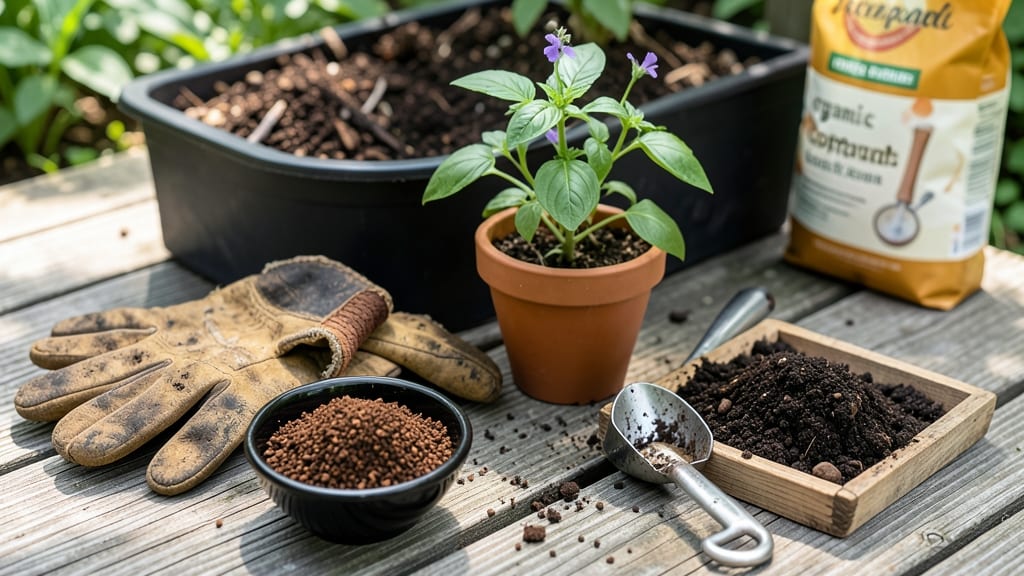
Yes, you can put coffee grounds in your garden—they enrich soil with nitrogen, improve moisture retention, and deter pests, but overuse may acidify soil or attract mold. Use sparingly as a mulch or compost additive for best results.
Coffee grounds work as a natural soil amendment because they're packed with organic matter that breaks down slowly, releasing nutrients like nitrogen while attracting beneficial microbes. 🌱 The caffeine content actually helps deter pests like slugs and ants, making them a dual-purpose garden helper.
However, their acidic nature means you'll want to use them carefully—especially if your plants prefer neutral soil pH.
For best results, mix used grounds into your compost pile or sprinkle them lightly around acid-loving plants like blueberries or azaleas. Just remember: a little goes a long way—too much can create that coffee smell in your garden and potentially harm sensitive plants.
I like to think of them as nature's way of recycling my morning brew!
💡 In This Article
- How Coffee Grounds Boost Garden Soil Health
- Best Ways to Use Coffee Grounds in Your Garden
How coffee grounds boost garden soil health
Coffee grounds are a nitrogen powerhouse—about 2% of their dry weight comes from this essential nutrient, which plants use to build proteins and green foliage. When grounds decompose, they release nitrogen slowly over 3-6 months, creating a steady nutrient supply unlike fast-acting synthetic fertilizers.
This makes them particularly effective for leafy greens like lettuce or spinach, where nitrogen deficiency shows as yellowing leaves.
The real magic happens below the surface. Coffee grounds stimulate microbial activity by providing food for beneficial bacteria and fungi, which break down organic matter into plant-available nutrients. Studies show that gardens amended with coffee grounds can see a 20-30% increase in microbial diversity within 4-6 weeks.
This microbial boost also improves soil structure, creating tiny air pockets that enhance root growth and water infiltration—similar to how compost works but with a caffeine kick that repels pests.
However, their acidity is where things get interesting. Fresh coffee grounds have a pH of about 4.5-5.5, which can lower soil pH over time—great for acid-loving plants like blueberries (ideal pH 4.5-5.5) but potentially harmful to vegetables like tomatoes that prefer 6.0-7.0.
The key is balance: mix grounds with compost or wood ash to neutralize acidity, or use them sparingly in containers where you can monitor soil chemistry more easily.
What most gardeners don't realize is how the caffeine content plays a role. While only 1-2% of coffee grounds' caffeine remains after brewing, this residual acts as a natural pesticide, deterring slugs and ants without chemicals.
The grounds also improve moisture retention by holding 2-3 times their weight in water, reducing irrigation needs by up to 15% in sandy soils. This makes them especially valuable in drought-prone areas where water conservation matters.
When comparing coffee grounds to other organic amendments, they outperform grass clippings in nitrogen content but lag behind manure in phosphorus. Unlike compost, which provides a balanced nutrient profile, coffee grounds are best used as a supplement rather than a complete soil builder.
Think of them as a targeted fertilizer for nitrogen-hungry plants rather than a general-purpose soil conditioner.
For maximum benefits, use grounds fresh from your coffee maker—they decompose fastest when still moist. Spread a ½-inch layer around plants or mix into the top 2-3 inches of soil, then water thoroughly to activate microbial breakdown.
The aroma might remind you of your morning cup, but the real reward is healthier soil that supports stronger plant growth.