
Tools
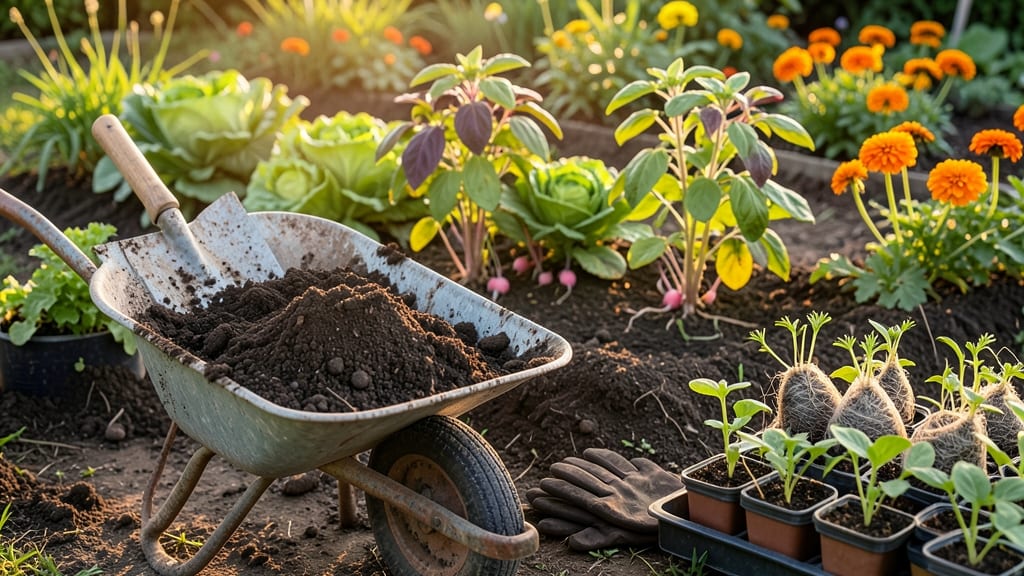
Using potting soil in garden beds improves drainage and aeration for plants, but it drains too quickly and lacks the nutrients needed for long-term outdoor growth. For best results, blend it with native soil in specific cases like raised beds or sandy soil amendments.
Potting soil is engineered for containers with fast drainage and high organic matter—but this makes it unsuitable for most in-ground gardens. 🌱 The lightweight mix breaks down quickly, leaving plants hungry for nutrients over time.
Instead, I recommend reserving it for small-scale projects like seed-starting trays or mixing it 1:3 with compost and native soil for nutrient-poor areas. For heavy clay soils, it can actually worsen drainage issues.
When blending, aim for 25-30% potting soil mixed with 70-75% native soil and 5-10% compost to balance texture while preserving moisture. This ratio works well for vegetables like tomatoes or perennials in raised beds, where you want improved aeration without nutrient loss.
💡 In This Article
- How Potting Soil Differs From Garden Soil
- Best Ways to Blend Potting Soil for Garden Use
How potting soil differs from garden soil
Potting soil is formulated with a higher percentage of organic matter—typically 50-70%—compared to garden soil, which usually contains 5-10%. This extra organic content comes from materials like peat moss, coconut coir, or composted bark, which break down quickly to provide short-term nutrients.
However, this rapid decomposition also causes the soil to compact and lose structure faster than garden soil, which contains more mineral particles like sand and clay for stability. 🌱
The drainage differences are dramatic: potting soil is designed to shed excess water within 10-15 minutes to prevent root rot in containers, while garden soil retains moisture longer (sometimes up to 24-48 hours) due to its denser mineral composition.
This fast drainage is perfect for container plants but problematic in garden beds, where roots need consistent moisture. The lack of mineral particles also means potting soil lacks the long-term nutrient reservoir found in garden soil, which contains decomposed rock and organic matter over centuries.
Nutrient-wise, potting soil often includes slow-release fertilizers (like osmocote) that last 3-6 months, but these are formulated for the controlled environment of pots, not the open ecosystem of garden beds. Garden soil, by contrast, builds a living microbiome of bacteria and fungi that continuously recycle nutrients.
When you use potting soil in garden beds, you're essentially giving plants a sugar rush without the long-term meal plan they need for sustained growth. 💫
Texture plays a critical role too. Potting soil has a looser, fluffier structure with added perlite or vermiculite for aeration, while garden soil is more compact. This makes potting soil ideal for seedlings but causes it to collapse and become waterlogged when used in garden beds, especially during heavy rains.
The lack of structural integrity means it can't support the weight of mature plants or the microbial activity needed for healthy soil ecosystems.
Consider this comparison: potting soil is like a fast-food meal—quick energy but no staying power, while garden soil is a home-cooked meal with balanced nutrition and lasting satisfaction. For garden beds, you need that long-term nutritional foundation that only mineral-rich soil can provide.
The exception? Raised beds or sandy soils where you're specifically trying to improve drainage and aeration without overwhelming the existing soil structure.