
Size
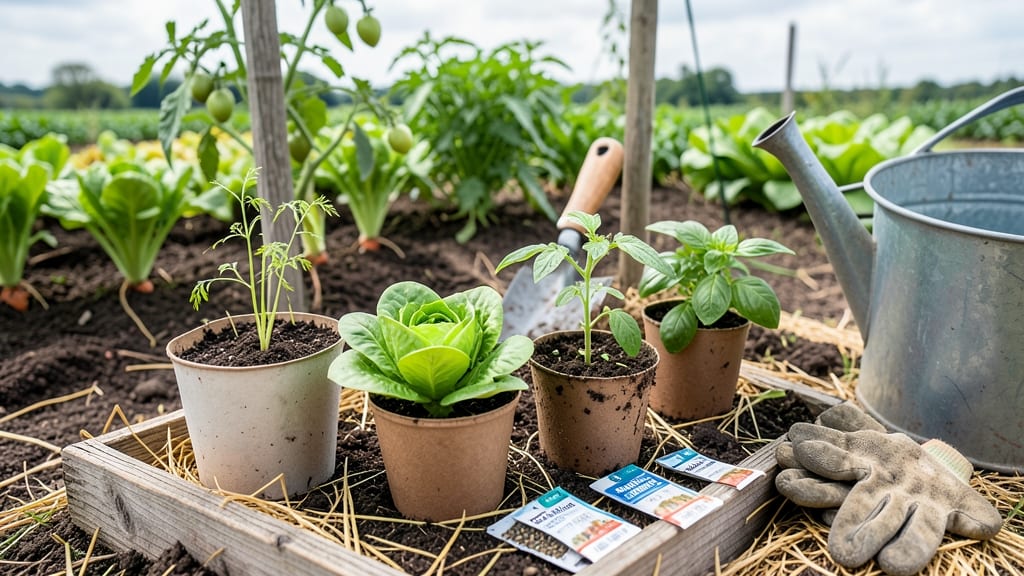
To grow plants in a garden, start by preparing nutrient-rich soil with proper drainage, plant seeds or seedlings at the correct depth, and ensure they receive consistent sunlight and water. Fast-growing varieties like lettuce or marigolds are ideal for beginners, and checking plant progress weekly will help you adjust care as needed.
Garden success begins with understanding your plants' needs—whether it's sandy soil for succulents or loamy soil for vegetables. 🌱 I always recommend testing your soil's pH and nutrient levels first, as this determines which plants will thrive.
For example, tomatoes need slightly acidic soil (pH 6.0-6.8), while lavender prefers alkaline conditions (pH 7.0-8.0). Starting with easy-to-grow annuals like basil or sunflowers gives you confidence while you learn the basics of spacing, watering, and pest prevention.
Once your garden is planted, consistency is key. Most vegetables need about 1-1.5 inches of water per week, while herbs like rosemary tolerate drier conditions.
A simple trick I use is setting a timer for watering—early morning is best to reduce evaporation and fungal risks. 💧 Don't forget to mulch after planting to retain moisture and suppress weeds, which cuts down on maintenance time by nearly 50%.
💡 In This Article
- Essential Soil and Plant Selection for Garden Growth
- Week-by-Week Garden Maintenance Schedule for Beginners
Essential soil and plant selection for garden growth
The foundation of any thriving garden lies in soil composition, where drainage, nutrient levels, and pH balance act as the invisible framework for plant health. 🌱 For example, vegetables like tomatoes thrive in well-draining loam with a pH of 6.0-6.8, while blueberries demand acidic soil (pH 4.5-5.5).
A simple soil test kit (available for under $10) reveals these critical factors—saving you from trial-and-error planting that often leads to stunted growth or disease.
Choosing the right plants for your climate and sunlight conditions dramatically impacts success rates. Annuals like marigolds or lettuce grow quickly (30-60 days to harvest) and tolerate a range of conditions, making them ideal for beginners.
Perennials like lavender or hostas establish deep roots over 2-3 years but require less replanting. The key is matching sun exposure: leafy greens need 4-6 hours of sunlight daily, while tomatoes crave 6-8 hours of full sun to produce fruit.
Plant selection also affects spacing—crowding stresses plants by competing for nutrients and air circulation.
For instance, basil plants should be spaced 12-18 inches apart, while carrots need 2-3 inches between seeds to prevent root deformation. 🌿 Ignoring these guidelines can reduce yields by up to 40%, as plants fight for resources instead of thriving.
A simple sketch of your garden layout before planting helps visualize these relationships and avoid costly mistakes.
For beginners, starting with disease-resistant varieties (like 'Celebrity' tomatoes or 'Mibuna' lettuce) cuts down on pest-related setbacks. These hybrids often come with built-in protections against common issues such as blight or aphids, which can wipe out 20-30% of unprotected gardens annually.
Pairing plants with complementary needs—like planting basil near tomatoes to repel pests—creates a self-sustaining ecosystem that reduces the need for chemical interventions.
One often-overlooked factor is soil structure: clay soils drain poorly and can suffocate roots, while sandy soils lose nutrients quickly.
Amending clay with compost improves drainage, while adding organic matter to sandy soil boosts water retention. 🌱 The ideal soil should crumble easily when moist—a texture similar to a well-worn sponge. This balance ensures roots access both air and moisture, which is critical for photosynthesis and nutrient uptake.
Seasonal timing matters too. Cool-season crops like spinach or peas should be planted 4-6 weeks before the last frost date, while warm-season plants like peppers need soil temperatures above 60°F to germinate.
Checking your local frost dates (available through agricultural extensions) aligns planting with natural cycles, giving plants the best chance to establish before extreme weather arrives.