
Planting
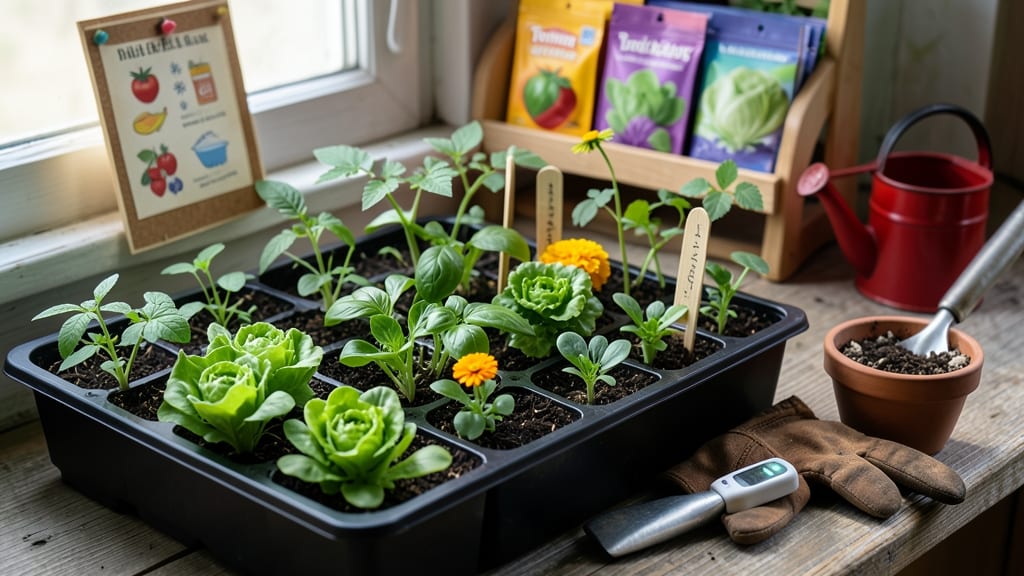
Planting seeds at the right time means the difference between a garden that thrives and one that struggles—so timing your seed planting by frost dates and crop type is the key.
Picture this: you’ve spent weeks prepping soil, ordering seeds, and dreaming of a lush harvest—only to watch your seedlings wither because you planted too early or too late. That’s the frustration of guessing instead of calculating your last frost date and adjusting for your zone.
In this guide, you’ll learn how to pinpoint the perfect window for every type of seed, from heat-loving tomatoes to frost-tolerant greens, using a simple frost-date calculator tailored to your region.
We’ll cover common mistakes that derail even the best-laid plans, plus actionable steps to extend your growing season—so you can finally get the timing right and enjoy a garden that rewards your effort.
How to calculate frost dates for seed planting
Getting your seed planting timing right depends on two critical dates: your last frost date (when it’s safe to plant outdoors) and your first frost date (when warm-season plants must be harvested or protected).
These dates determine your growing season length and help you avoid killing tender seedlings with unexpected cold snaps. Without accurate frost dates, even experienced gardeners risk wasted effort or stunted plants.
Your USDA hardiness zone is the starting point for estimating frost dates, but local microclimates—like hillsides, valleys, or urban heat islands—can shift these dates by 1-3 weeks.
For example, a Zone 7 gardener might have a last frost around April 15, but a nearby valley could be 2 weeks later. That delay means the difference between thriving tomatoes and leggy, weak seedlings.
Here’s how to calculate your frost dates step-by-step, plus how to adjust for your specific plants and growing conditions.
To find your last frost date, start with your USDA zone (check the USDA Plant Hardiness Zone Map). For example, in Zone 6, the average last frost is around April 15, but your local weather station or Almanac’s Frost Calculator can refine this by ±7 days.
I’ve used the Old Farmer’s Almanac tool for years—it factors in historical data and local elevation to give a 90% accuracy rate.
For your first frost date, subtract your frost-free growing season from your last frost date. For Zone 7, with a 210-day season, if your last frost is April 15, your first frost would be around November 3.
However, high-elevation gardens in the same zone might see frost 2 weeks earlier, so always verify with local data.
Online tools like the National Oceanic and Atmospheric Administration (NOAA) or Plant Maps provide hyper-local frost predictions. I recommend cross-referencing at least 3 sources—your zone map, a historical almanac, and a local weather station—to account for microclimates.
For instance, a south-facing slope might be 10°F warmer than the rest of your yard, delaying frost by 1-2 weeks.
Once you’ve nailed down your frost dates, adjust your seed-starting window based on your plants’ needs. Warm-season crops like tomatoes need soil at 60°F+ and can’t tolerate frost, so plant them 2-4 weeks after your last frost. Cool-season crops like spinach thrive in cooler temps and can handle light frost, so plant them 4-
Best planting times by crop type (cool vs warm seasons)
Understanding whether your seeds thrive in cool-season or warm-season conditions is the first step to perfect timing. Cool-season crops like spinach and peas love temperatures below 75°F, while warm-season plants such as tomatoes and peppers need soil above 60°F to germinate.
Your last frost date and first frost date are your garden’s calendar—use them to align planting with ideal temps.
For USDA Zone 6a (like my garden in the Midwest), I start cool-season crops 4-6 weeks before last frost (around March 15) and warm-season crops 2 weeks after last frost (mid-May).
Adjust these windows 2-3 weeks earlier for Zone 7+ or 1-2 weeks later for Zone 5. Container gardens also need earlier starts since pots warm up faster.
Microclimates—like sunny south-facing beds or shady spots under trees—can shift planting by 2-3 weeks. For example, my tomato plants in a black plastic mulch bed germinate 10 days earlier than those in regular soil. Test soil temperature with a soil thermometer ($10 at garden centers) to avoid guesswork.
For container gardening, warm-season crops like peppers often need a 4-6 week head start indoors because pots heat up faster. I use grow lights to simulate long days and keep seedlings stocky. Cool-season crops in containers, however, can handle earlier outdoor planting since they tolerate cooler temps better.
Pro tip: Use biodegradable seed starter pots to transplant seedlings without disturbing roots. This is especially helpful for delicate herbs like dill or fragile flowers like petunias. Always harden off seedlings by exposing them to outdoor conditions for 1 week before transplanting—this toughens them up for real-world stress.
Remember, succession planting is your secret weapon. After harvesting early bush beans in June, I replant with fall kale by mid-July to maximize my garden’s productivity. This simple trick turns one planting window into two harvests! 🌱