
Pests
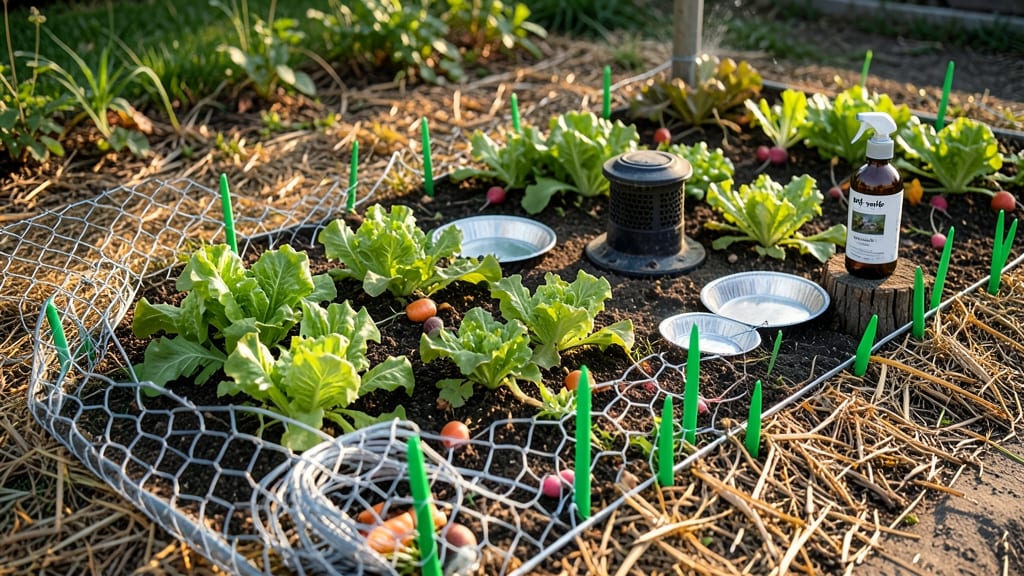
To keep dogs out of garden beds, use physical barriers like chicken wire buried 6 inches deep, raised beds with solid fencing, or temporary deterrents such as motion-activated sprinklers and prickly mulch. Combine these with consistent training using positive reinforcement.
Dogs dig for instinctual reasons—buried bones, curiosity, or seeking shade—but you can redirect this behavior with the right approach. 🌱 The key is making garden beds unappealing while teaching your dog alternative behaviors.
For example, I've found that burying hardware cloth (not chicken wire) works better long-term because dogs can't chew through it. Pair physical barriers with training: use a firm "no" when they approach, then reward them when they stay away.
Over time, they'll learn that digging in the garden means losing access to treats or playtime.
Another effective strategy is creating a designated digging area filled with sand or loose soil where your dog can satisfy their instincts without damaging your plants. This works especially well for breeds like terriers or beagles that are naturally inclined to dig.
Just be consistent—if you let them dig in one spot occasionally, they'll keep testing other areas.
💡 In This Article
- Effective Physical Barriers to Protect Garden Beds
- Training Dogs to Stay Out of Garden Areas
Effective physical barriers to protect garden beds
Dogs are naturally curious and instinct-driven, making garden beds irresistible targets for digging. Physical barriers work by creating an invisible line that dogs can't cross without effort. The most effective materials combine durability with unpleasant sensory feedback—like sharp edges or unstable surfaces.
For example, hardware cloth (not chicken wire) buried 12 inches deep is ideal because dogs can't chew through it, unlike softer chicken wire which they may eventually gnaw through. The 12-inch depth prevents them from digging underneath, as most dogs won't persist past that point due to the effort required.
Raised garden beds with solid wooden or metal fencing (at least 3 feet high) create a visual and physical boundary.
Dogs are less likely to jump over tall fences if they've been trained to stay out of areas, and the height reduces their ability to see into the garden—curiosity often drives digging.
For smaller dogs, even a 2-foot-tall fence with outward-facing spikes (like those used for rabbits) can deter them from attempting to climb over.
The spikes create a psychological barrier, as dogs associate sharp objects with discomfort. 🐾 Another option is using large rocks or pavers around the bed's perimeter, which dogs dislike walking over due to the unstable, noisy surface.
Temporary solutions like motion-activated sprinklers (which spray water when the dog approaches) work by combining surprise and discomfort. These systems typically cover 1,000-3,000 square feet and can be adjusted to spray for 5-10 seconds per activation. The sudden water spray startles dogs and teaches them to avoid the area.
For a more permanent but low-cost fix, prickly mulch (such as pine cones or holly clippings) around the bed's edge creates an uncomfortable texture that dogs avoid. The sharp edges and rough surface make it unpleasant to walk or dig through, acting as a natural deterrent.
When choosing barriers, consider your dog's breed and size. For example, a Border Collie with high energy and digging instincts may require a combination of a 6-foot-tall fence and buried hardware cloth, while a Chihuahua might only need a 2-foot fence with spikes.
The key is consistency—if your dog sees one barrier as easily bypassable, they'll test others.
For instance, if you use chicken wire but your dog eventually chews through it, they'll learn that the garden is accessible, and the behavior will persist. 🌿 Always pair physical barriers with training to reinforce the message that the garden is off-limits.
Cost is another factor to weigh. Hardware cloth costs about $1.50-$3 per square foot when buried, while motion-activated sprinklers range from $50-$200 depending on coverage. Rocks or pavers can be more expensive upfront but last indefinitely.
For budget-friendly options, a combination of prickly mulch and a low fence (like a 3-foot chain-link fence) often works well for smaller dogs. The goal is to make the garden beds as unappealing as possible while ensuring the barriers are durable enough to withstand your dog's persistence.
One advanced tactic is using underground barriers like plastic sheeting or landscape fabric buried 18 inches deep around the garden's perimeter. This prevents dogs from digging horizontally into the soil, which is a common behavior for breeds like Terriers.
The fabric acts as a physical block, and the depth ensures it's not easily displaced. Pair this with a 1-foot-wide strip of smooth pebbles around the bed to create an additional sensory deterrent.
Dogs dislike the combination of the hard surface and the unfamiliar texture, making them less likely to approach.