
Tools
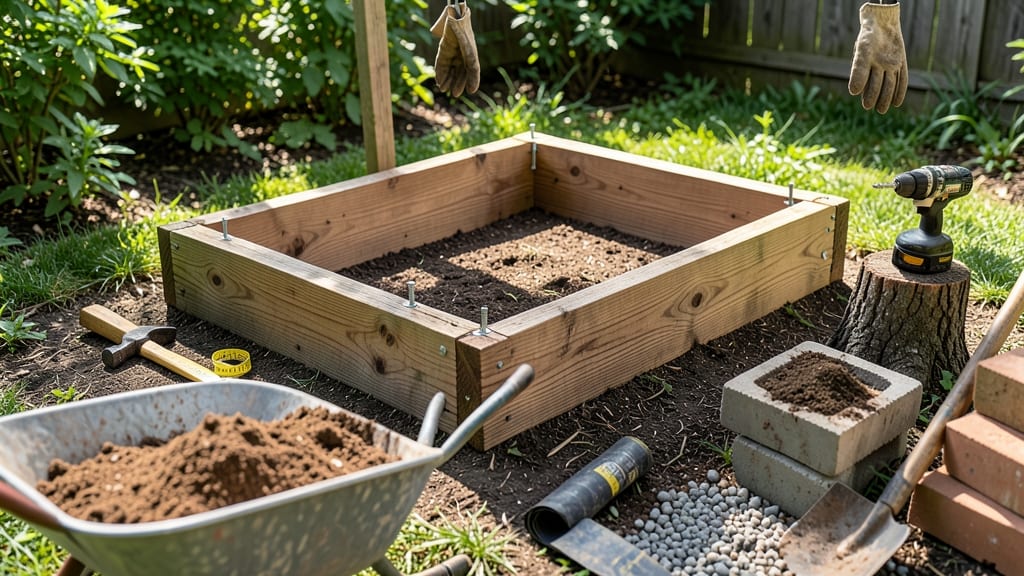
Creating a cheap raised garden is simple: build frames using cinder blocks or repurposed wood pallets, line them with landscape fabric, and fill with a mix of topsoil and compost. This budget-friendly approach costs under $50 and improves soil quality while extending your growing season.
This method is perfect for small spaces or beginners because it requires minimal tools and can be assembled in a weekend. 🔥 The key is using affordable materials like cinder blocks (around $2 each) or free wood pallets from local businesses, which cut costs dramatically.
I've seen people build functional raised beds for as little as $30 by sourcing materials from construction sites or Facebook Marketplace.
The landscape fabric acts as a weed barrier while allowing water to drain properly, and the soil mix ensures your plants get the nutrients they need without breaking the bank.
For those concerned about durability, cinder blocks hold up well against weather, while wood pallets may need occasional sealing. Either option elevates your garden beds, reducing back strain and improving drainage—critical factors for healthy plant growth.
The best part? You can start small with a 4x4-foot bed and expand later as your gardening skills (and budget) grow.
💡 In This Article
- Cost Comparison: Cinder Blocks vs Wood Pallets for Raised Beds
- DIY Raised Garden Construction Steps for Beginners
Cost comparison: cinder blocks vs wood pallets for raised beds
Cinder blocks offer a surprisingly affordable solution for raised gardens, with a typical 4x4-foot bed requiring just 12 blocks (3 blocks per side). Each block costs around $2-$3, bringing your total frame cost to roughly $24-$36.
The blocks' hollow cores also allow for better drainage, which is essential for root health. Plus, they're naturally resistant to rot and pests, unlike untreated wood.
Wood pallets, on the other hand, can be completely free if sourced from local businesses or construction sites, but their quality varies dramatically. A standard 48x40-inch pallet typically measures about 3.5x3.3 feet, so you'll need two pallets for a 4x4-foot bed.
However, pallets require sanding or sealing to prevent splinters and chemical leaching (some pallets are treated with chemicals). The labor cost for preparing pallets often outweighs the initial savings, especially if you need to replace them every 3-5 years due to weathering.
The real cost difference appears in long-term maintenance. Cinder blocks last decades with minimal upkeep, while wood pallets may need resealing annually and replacement every few years. For example, a 4x8-foot bed made with cinder blocks costs about $60-$90 upfront but requires no future expenses.
A similar pallet bed might cost $0-$20 initially but could demand $50-$100 in replacements and sealant over five years. The environmental impact matters too—cinder blocks are made from recycled materials, while pallets contribute to deforestation unless sourced sustainably.
Labor requirements also differ significantly. Assembling a cinder block bed is straightforward: just stack and secure the blocks with landscape screws. A 4x4-foot bed takes about 1-2 hours for two people. Wood pallets, however, need cutting, sanding, and sealing, which can double your time investment.
If you're working alone, the pallet method becomes particularly labor-intensive, especially when dealing with heavy, uneven pallet wood. The physical strain of lifting and securing pallets is another factor to consider for beginners or those with mobility limitations.
Durability factors heavily into the cost equation over time. Cinder blocks withstand heavy rain, snow, and temperature fluctuations without warping or cracking. Their solid structure also resists burrowing pests like voles, which can devastate wood frames.
Wood pallets, while sturdy initially, often develop gaps over time, allowing weeds to invade and soil to spill out. To mitigate this, you'll need to line pallet beds with heavy-duty landscape fabric, adding another $5-$10 to your initial costs.
Consider these key factors when choosing:
- Budget: Cinder blocks are more expensive upfront but cheaper long-term; pallets save money initially but cost more over time
- Durability: Cinder blocks last decades; pallets need replacement every 3-5 years
- Labor: Cinder blocks assemble in 1-2 hours; pallets require 3-4 hours including prep work
- Eco-Friendliness: Cinder blocks use recycled materials; pallets contribute to deforestation unless sustainably sourced
For the most budget-conscious gardeners, cinder blocks offer the best balance of initial cost, durability, and low maintenance. If you're willing to invest extra time in preparation, pallets can be a viable option—but only if you're committed to regular upkeep.
Either way, both methods deliver excellent drainage and weed control, making them ideal for small-space gardening. 💫