
Tools
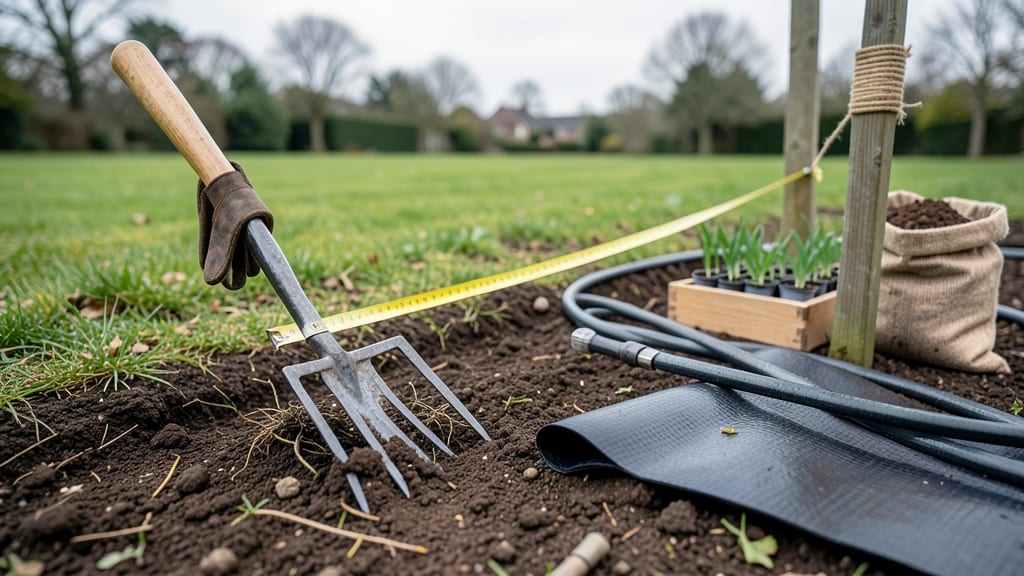
Making a garden bed starts by marking your design with stakes and string, clearing away grass or weeds, tilling the soil to 12 inches deep, amending it with compost, and creating an even planting surface. Always pick a spot with full sun and good drainage for the best plant growth.
Creating a garden bed properly sets the foundation for healthy plants and easier maintenance.
The right location—6+ hours of sunlight daily—boosts photosynthesis, while well-draining soil prevents root rot. 🌱 I recommend testing your soil's pH (aim for 6.0-7.0) and adding organic matter like compost or aged manure to improve fertility.
This step isn't just about aesthetics; it directly impacts how well your vegetables, flowers, or herbs will thrive throughout the growing season.
For raised beds, 12-18 inches high works best—it warms up faster in spring and reduces soil compaction. Line the bottom with cardboard to block weeds, then fill with a mix of topsoil, compost, and perlite for optimal drainage.
Mulching with straw or wood chips keeps moisture levels steady and suppresses weeds, saving you time on upkeep.
💡 In This Article
- Choosing the Best Location and Soil for a Garden Bed
- Step-by-Step Guide to Building and Maintaining a Raised Garden Bed
Choosing the best location and soil for a garden bed
The sun's role in your garden bed can't be overstated—plants need 6-8 hours of direct sunlight daily to photosynthesize efficiently. Leafy greens like spinach tolerate partial shade, but fruiting plants (tomatoes, peppers) wilt without full sun.
I've seen firsthand how a south-facing plot in the Northern Hemisphere maximizes sunlight exposure, while east-facing beds get morning light ideal for cool-season crops.
Drainage is equally critical: waterlogged soil starves roots of oxygen, leading to rot. Test your spot by digging a 12-inch hole—if water pools after 30 minutes, amend with sand or build a raised bed. Soil pH matters too; most vegetables thrive in 6.0-7.0 range.
A simple $10 soil test kit reveals your levels—mine showed my clay-heavy soil needed lime to raise the pH from 5.5 to 6.5 for blueberries.
Organic matter transforms poor soil into a nutrient powerhouse. Compost breaks down into humus, improving water retention and microbial activity. For heavy clay, mix in 3 inches of compost per square foot; sandy soils benefit from peat moss to hold moisture.
I've noticed that beds amended with compost produce 20-30% larger tomatoes due to better nutrient availability and root development.
Consider your plants' specific needs—root crops like carrots need loose soil, while berries prefer acidic conditions. Mulching with wood chips or straw regulates temperature and suppresses weeds, but avoid thick layers that smother soil microbes. The key is balance: 2-3 inches of mulch keeps moisture while allowing air circulation.
Seasonal planning affects soil prep too. In fall, I add aged manure or worm castings to build fertility for spring planting. These amendments release nutrients slowly, feeding plants all season. For containers, use a 50/50 mix of potting soil and compost—this mimics natural soil structure while preventing compaction.
Don't forget about wind protection. A 3-foot tall fence or hedge shields delicate plants from drying winds, which can stress roots. I've seen windburned leaves on lettuce in exposed beds, but a simple barrier solved the problem.
The right location and soil prep aren't just about immediate growth—they create a sustainable ecosystem that reduces future maintenance.