
Pests
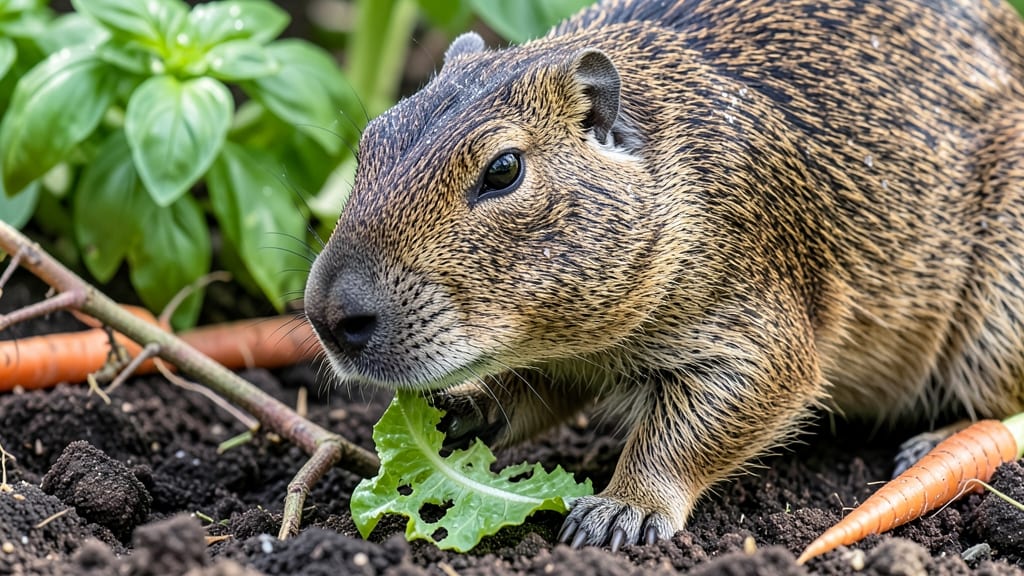
To prevent groundhogs from eating garden plants, use physical barriers like wire mesh buried 12 inches deep, plant deterrents such as daffodils or castor beans, or apply commercial repellents with capsaicin. Consistency and multiple methods work best for long-term protection.
Groundhogs, also called woodchucks, are notorious for munching through gardens because they love tender young shoots and roots. 🐿️ Their digging habits can also uproot plants entirely, so combining multiple strategies works best.
Physical barriers like hardware cloth fences (at least 3 feet tall) block access, while plants like daffodils release toxins that repel them. Commercial repellents with capsaicin mimic predator scents, but reapplication every 2-3 weeks is key since rain washes them away.
What I’ve found most effective is pairing barriers with deterrents—wire mesh buried 12 inches deep prevents digging, while castor bean plants create a natural perimeter. The secret is persistence: groundhogs are smart and will test weak defenses, so reinforcing methods during their active spring/summer feeding seasons is crucial.
💡 In This Article
- Understanding Groundhog Behavior and Feeding Habits
- Best Physical and Chemical Barriers Against Groundhogs
Understanding groundhog behavior and feeding habits
Groundhogs—commonly called woodchucks—are primarily herbivores with a preference for tender, nutrient-rich vegetation.
Their natural diet includes clover, alfalfa, and grasses, but garden plants like lettuce, beans, and young shoots become irresistible due to their high moisture and protein content. 🌱 Unlike rabbits that nibble leaves, groundhogs dig to access roots, creating tunnels that can destroy entire plant systems.
Their digging isn’t random; they target loose, well-drained soil where roots are easily accessible.
Seasonal patterns dictate their feeding intensity. Groundhogs are most active from March through October, with peak activity during dawn and dusk when they forage for fresh greens. This is why early spring and late summer—when gardens are lush—see the most damage.
Their digging habits also differ from moles or gophers: groundhogs create wider, shallower tunnels (typically 6-12 inches deep) to uproot plants rather than burrow for food storage.
The key to effective deterrence lies in understanding their sensory limitations. Groundhogs have poor eyesight but rely heavily on scent and texture.
They avoid plants with strong odors (like daffodils or castor beans) or prickly foliage (e.g., thorny roses). 🐾 Their digging is also driven by the need to create escape routes, so blocking access points with buried barriers forces them to seek food elsewhere.
This behavioral insight explains why layered defenses—combining scent repellents with physical barriers—work better than single methods.
Another critical factor is their social nature. Groundhogs live in colonies, and if one individual finds a garden accessible, others will follow. This is why isolated deterrents (like a single repellent spray) often fail—groundhogs simply move to neighboring gardens.
A 3-foot-tall fence with buried wire mesh creates a psychological barrier, signaling that the area is off-limits. The deeper the barrier (12+ inches), the more effective it is at preventing their signature digging pattern.
Groundhogs also exhibit "trial-and-error" behavior when testing new food sources. If they encounter a repellent (like capsaicin-based sprays) and experience discomfort, they’ll avoid that area—but only if the deterrent is consistently reapplied.
Rain or soil erosion can dilute repellents, so combining chemical deterrents with physical barriers ensures long-term protection. 🌧️ For example, a wire mesh fence paired with castor bean plants creates a multi-sensory deterrent: the mesh blocks access, while the plants’ toxic roots emit a scent groundhogs instinctively avoid.
Finally, their hibernation habits (November–February) mean winter is the ideal time to install permanent barriers. Since they’re dormant, they won’t test new defenses, giving you a head start for spring planting.
This seasonal timing is often overlooked but can mean the difference between a thriving garden and a groundhog buffet. 🌿