
Pests
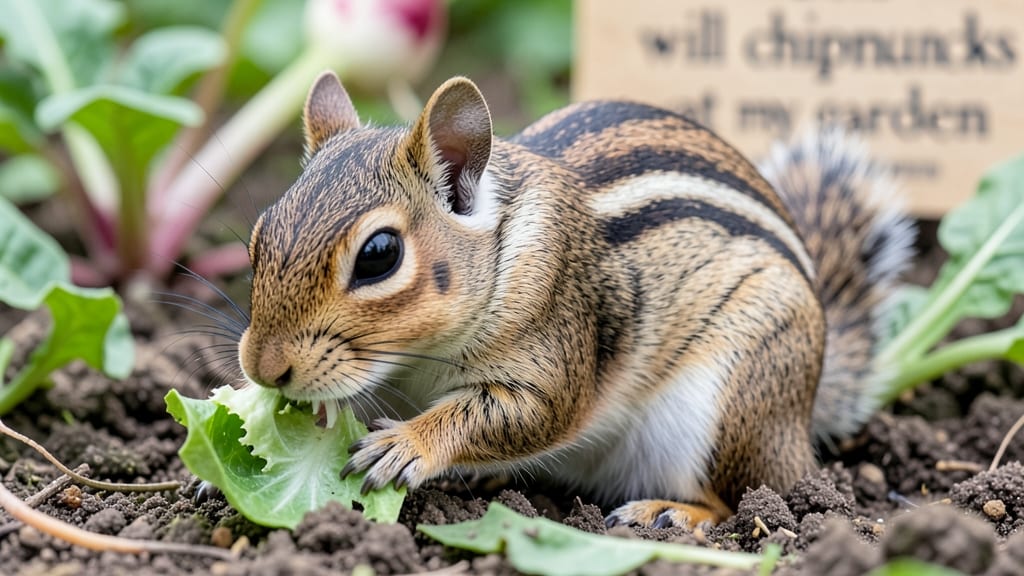
Chipmunks will eat your garden, targeting seeds, bulbs, fruits, and vegetables like lettuce, peas, and corn. Their digging habits also damage roots and uproot seedlings, making them a persistent nuisance for gardeners.
These tiny but mighty rodents are notorious for raiding gardens, especially during spring and summer when food is abundant. 🌱 They don't just nibble—they dig extensive tunnels that disrupt soil structure and expose plant roots to disease.
I've seen chipmunks completely strip a newly planted vegetable bed in just a few days, leaving behind a chaotic mess of overturned soil and chewed foliage. Their preference for tender young shoots means even established plants can suffer if infestations aren't controlled early.
What makes them particularly frustrating is their cleverness—they'll often return to the same spots night after night, learning which areas offer the easiest access. Unlike larger pests, chipmunks are difficult to spot during the day since they're primarily active at dawn and dusk, making prevention your best defense strategy.
💡 In This Article
- What Chipmunks Eat in Gardens and How They Damage Plants
- 5 Natural Ways to Keep Chipmunks Out of Your Garden
What chipmunks eat in gardens and how they damage plants
Chipmunks have an omnivorous appetite that makes them particularly destructive in gardens. Their diet includes seeds (especially sunflower, corn, and bean seeds), bulbs (like tulips and daffodils), and tender shoots of vegetables. They'll also gnaw on fruits like strawberries, tomatoes, and peaches once they ripen.
The damage isn't just from eating—chipmunks create extensive burrow systems with tunnels up to 10 feet long, which destabilizes soil and exposes plant roots to pests and diseases.
These rodents are most active during dawn and dusk, which is when they'll raid newly planted areas.
Their digging behavior creates a distinctive pattern: small, shallow holes around the base of plants, often arranged in neat rows. 🌱 What's particularly frustrating is their ability to learn from past experiences—if they find a successful food source, they'll return night after night, sometimes even bringing food back to their burrows to store.
This persistence means gardeners often don't realize the damage until it's already significant.
The most vulnerable plants include lettuce (which they'll strip down to the core), peas (they'll chew through pods before they mature), and corn (they'll gnaw on emerging shoots). Even established plants can suffer when chipmunks target the roots, causing wilting or sudden death.
Their digging also aerates the soil too much, which can prevent proper root development in seedlings. The combination of direct consumption and physical damage makes them one of the most challenging garden pests to manage.
Seasonal patterns play a crucial role in their behavior. During spring, chipmunks focus on new growth and seeds, while summer brings increased activity as they prepare for winter by stockpiling food. Their metabolic rate slows in colder months, but they'll still raid gardens if food is scarce.
This seasonal cycle means prevention efforts need to be consistent throughout the growing season rather than just during peak planting times.
What makes chipmunk damage particularly insidious is how they target multiple parts of plants simultaneously. While they're eating leaves or fruits above ground, their burrowing activities are undermining the plant's stability below.
This dual approach creates a perfect storm for gardeners, where visible damage often masks the more destructive root and soil disruption happening out of sight.
Understanding these patterns helps explain why traditional deterrents often fail. Chipmunks are intelligent enough to adapt to simple scare tactics, and their nocturnal habits mean they're rarely caught in the act.
The key to effective control lies in combining multiple strategies that address both their feeding behaviors and their burrowing tendencies simultaneously.