
Tools
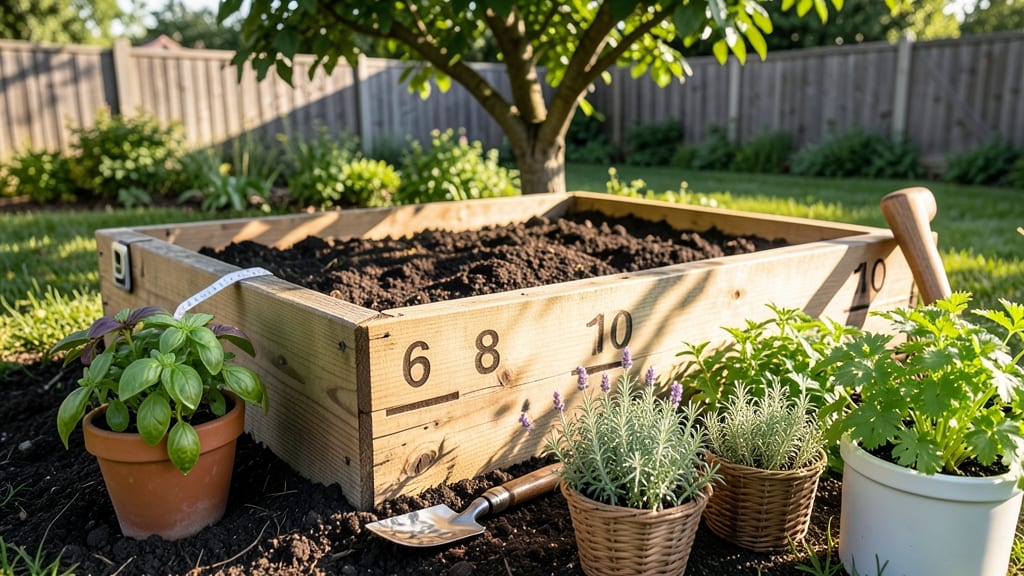
Determining the ideal garden bed height means aiming for 6 to 12 inches, as this range optimizes root development, drainage, and soil aeration while minimizing weed pressure and compaction.
This height range strikes the perfect balance between practicality and plant health. 🌱 Shallow-rooted plants like lettuce and herbs thrive in beds as low as 6 inches, while deeper-rooted vegetables such as tomatoes and carrots benefit from the full 12-inch depth.
The extra height also prevents soil compaction from foot traffic, which can stunt root growth over time. I've found that beds between 8 and 10 inches offer the best compromise for most home gardens, accommodating a wide variety of crops while keeping construction manageable.
What's interesting is how this height impacts weed control. Taller beds create a natural barrier that blocks sunlight from reaching weed seeds in the soil below, reducing competition for nutrients. Plus, the improved drainage prevents waterlogging, which can suffocate roots and invite fungal diseases.
When designing your beds, consider both your plants' needs and your own comfort—you'll want to avoid bending too much while tending to them!
💡 In This Article
- How Soil Depth Affects Plant Root Growth
- Designing Raised Garden Beds for Optimal Height
How soil depth affects plant root growth
Root systems thrive when they have adequate space to explore, and soil depth directly influences this exploration. Plants absorb oxygen, water, and nutrients primarily through their root zone—the deeper this zone, the more resources a plant can access.
For example, shallow-rooted plants like radishes or lettuce only need about 6 inches of soil to establish strong roots, while deep-rooted crops such as sweet potatoes or asparagus require 12 inches or more to reach their full potential.
The extra depth allows roots to penetrate compacted layers and access moisture stored deeper in the soil profile.
Oxygen availability is another critical factor tied to soil depth. Roots respire like any living tissue, and compacted soil restricts airflow, leading to anaerobic conditions that can suffocate roots. A 6- to 12-inch bed maintains loose, aerated soil near the surface, where most root activity occurs.
This is why raised beds—even at their shallowest—outperform in-ground gardens, where foot traffic and natural compaction can compress soil to just 2-4 inches of usable depth.
Think of it like breathing room for your plants: deeper beds let roots expand freely, while shallow beds force them to compete for limited space.
Water absorption also follows the depth principle. Deeper soil holds more moisture, which is especially valuable during droughts. A 12-inch bed can store significantly more water than a 6-inch one, reducing the need for frequent irrigation.
This is why drought-resistant plants like rosemary or thyme often perform better in deeper beds—they can tap into moisture reserves during dry spells. Conversely, shallow beds dry out faster, requiring more frequent watering and increasing the risk of root exposure if irrigation isn't consistent. 💧
Nutrient access is the final piece of the puzzle. Deeper soil profiles contain a wider variety of microorganisms and organic matter, which break down into nutrients over time. A 12-inch bed, for instance, might contain layers of compost or decomposed leaves at the bottom, providing a slow-release nutrient supply.
Shallow beds, however, rely almost entirely on surface amendments like mulch or topsoil, which deplete faster. This is why deep-rooted plants often show stunted growth in shallow beds—they simply can't reach the nutrients they need.
Consider the contrast between a 6-inch bed (ideal for herbs and greens) and a 12-inch bed (better for tomatoes or carrots). The difference isn't just about space—it's about creating an environment where roots can function optimally.
For instance, carrots need at least 10 inches of loose soil to grow straight and fully, while lettuce can thrive in just 4-6 inches. The key is matching bed height to the plants you're growing, ensuring their root systems have the room to develop without unnecessary constraints.
One often-overlooked benefit of deeper beds is their ability to moderate soil temperature. Shallow beds heat up and cool down more quickly, which can stress plants.
A 12-inch bed, however, acts like a thermal buffer, keeping roots in a more stable temperature range—critical for crops sensitive to temperature fluctuations, like peppers or eggplants. This stability extends the growing season and reduces transplant shock when starting seeds or young plants. 🌿