
Tools
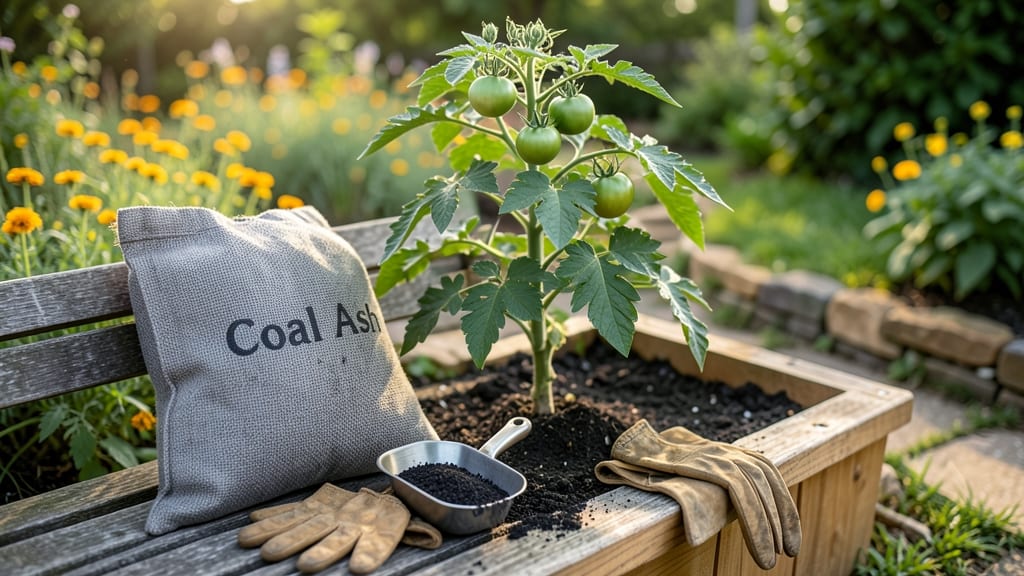
Is coal ash good for the garden? It can raise soil pH and provide potassium, but it may also introduce heavy metals like arsenic and mercury, posing risks to plants and soil health. Test soil first and use sparingly if at all.
Is coal ash good for the garden? Its alkaline properties can temporarily boost soil pH, which may benefit acid-loving plants like blueberries—but the trade-off is significant. 🌱 The heavy metals in coal ash, particularly arsenic and mercury, can accumulate in soil over time, potentially harming plants and contaminating groundwater.
Unlike wood ash, which is generally safer and provides similar pH benefits, coal ash introduces unpredictable variables that make it a risky choice for most gardeners.
If you're considering using coal ash, start by testing your soil's current pH and nutrient levels. Many gardeners find safer alternatives like wood ash (for pH adjustment) or compost (for nutrient enrichment) far more reliable. Always prioritize soil health over quick fixes—your plants (and future harvests) will thank you.
💡 In This Article
- How Coal Ash Affects Soil Chemistry and Plant Growth
- Safer Alternatives to Coal Ash for Garden Soil Amendments
How coal ash affects soil chemistry and plant growth
Coal ash is primarily composed of alkaline compounds like calcium oxide and magnesium oxide, which react with water to form hydroxides that raise soil pH levels dramatically.
When applied to acidic soil, it can neutralize hydrogen ions (H+) and increase pH from 5.0 to 7.0 or higher in just a few applications.
This rapid pH adjustment is why some gardeners use it for acid-loving plants like blueberries, which thrive in 4.5-5.5 pH ranges—but the effect is temporary and often overshooting the target.
The potassium content in coal ash (typically 2-5% by weight) can provide a short-term nutrient boost, but the real concern lies in its trace elements. Heavy metals like arsenic, mercury, and lead—present in varying concentrations depending on the coal source—can accumulate in soil over time.
For example, studies show coal ash may contain up to 100 ppm arsenic, far exceeding safe levels for edible gardens. These metals don't break down and can leach into groundwater or be absorbed by plants, entering the food chain.
What most gardeners overlook is how coal ash disrupts nutrient balance. The high pH it creates can lock out essential micronutrients like iron, manganese, and zinc, causing yellowing leaves (chlorosis) even if the soil appears fertile.
Unlike organic amendments, coal ash doesn't improve soil structure or microbial activity—it's purely a chemical adjustment with long-term risks. 🌱 The texture of coal ash is coarse and gritty, which can alter soil porosity and drainage unpredictably.
Consider this: while wood ash (from hardwoods) also raises pH, it provides calcium and potassium without heavy metals. Coal ash's chemical makeup is far more aggressive, making it unsuitable for most home gardens.
The Environmental Protection Agency (EPA) classifies coal ash as hazardous waste in some cases, highlighting its unpredictable composition. Even small amounts can create pH spikes that take years to correct.
For edible gardens, the stakes are higher. Arsenic uptake in plants like lettuce or carrots can reach dangerous levels after repeated applications. The visual signs—stunted growth, leaf discoloration—often appear only after irreversible damage.
Unlike organic matter, coal ash doesn't feed soil life; it's a one-time chemical shock that may backfire in the long run.
If you're dealing with severely acidic soil, start with a soil test to determine exact pH and nutrient needs. A 1-2 inch layer of wood ash (from untreated wood) is safer for minor adjustments, while lime (calcium carbonate) offers more controlled pH correction.
The key is gradual, targeted changes—not drastic interventions with unknown consequences.