
Tools
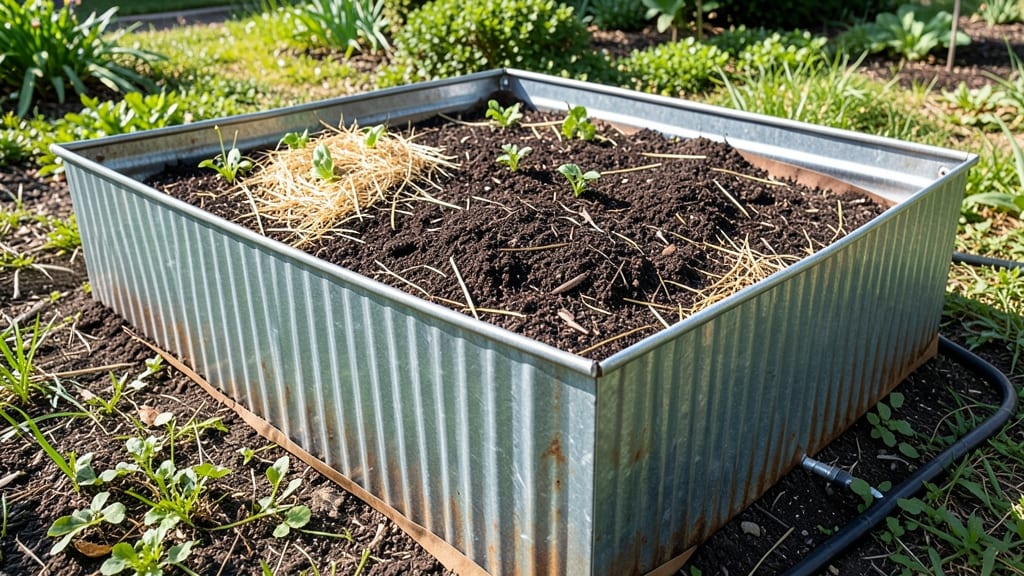
Is corrugated metal safe for garden beds? It depends on the metal type—galvanized steel may release zinc or cadmium over time, especially in acidic soil, while aluminum is generally non-toxic. For edible gardens, consider soil pH and use food-safe liners to minimize risks.
Is corrugated metal safe for garden beds? The safety of corrugated metal in garden beds hinges on the metal's composition and soil conditions.
Galvanized steel contains zinc coatings that can leach into acidic soil (pH below 6.0), potentially harming plants like blueberries or hydrangeas that thrive in such environments. 🌱 Aluminum, however, is inert and won't corrode, making it a safer choice for long-term use.
The key is testing your soil's acidity—if it's neutral or alkaline, galvanized metal poses far less risk.
For edible gardens, I recommend lining metal beds with heavy-duty plastic or landscape fabric to create a barrier between the metal and soil. This prevents any potential leaching from reaching root zones, especially for crops like lettuce or herbs that absorb nutrients directly.
Even with precautions, I'd avoid growing root vegetables directly in untreated metal beds—better to reserve them for ornamental plants or herbs like rosemary, which are less sensitive to metal exposure.
💡 In This Article
- Toxicity Risks of Corrugated Metal in Garden Soil
- Safe Alternatives and Plant-Specific Compatibility Guide
Toxicity risks of corrugated metal in garden soil
The primary concern with corrugated metal garden beds stems from the metal's composition and how it interacts with soil chemistry.
Galvanized steel, the most common type, is coated with a layer of zinc to prevent rust—this zinc coating can gradually dissolve and seep into the soil, especially in acidic conditions (pH < 6.0).
The EPA warns that excessive zinc levels can inhibit plant nutrient uptake, particularly of phosphorus and iron, leading to stunted growth or yellowing leaves. 🌱
Aluminum corrugated metal, on the other hand, is far less reactive. It doesn't corrode in soil and won't leach harmful substances, making it a safer long-term option.
However, even aluminum can pose indirect risks if it's not properly sealed—exposed edges may degrade over decades, releasing microscopic particles that could accumulate in the soil. For edible gardens, this means avoiding direct root contact with untreated metal surfaces, regardless of the type.
Soil acidity is the critical factor here. In neutral or alkaline soils (pH 7.0+), galvanized metal beds may last for years without significant leaching. But in acidic soils—common for plants like blueberries or azaleas—the zinc coating can degrade within 2-3 years, releasing concentrations that may exceed safe thresholds.
The EPA's soil contamination guidelines suggest zinc levels shouldn't exceed 300 mg/kg in garden soil for most plants.
Another hidden risk is cadmium contamination. Some older galvanized coatings contained cadmium as a stabilizer, which is far more toxic—even trace amounts can accumulate in plant tissues over time. While modern coatings are cadmium-free, testing your metal's composition (especially if repurposing scrap) is wise.
A simple soil test kit can reveal whether your garden bed is already contributing to elevated metal levels. 💡
Temperature also plays a role. Hotter climates accelerate metal corrosion, particularly in galvanized steel. The zinc coating breaks down faster when exposed to consistent temperatures above 80°F, increasing leaching rates by up to 30% compared to cooler regions.
This is why metal beds in desert climates require more frequent monitoring and potential relining every 3-5 years.
For visual clues, watch for white or grayish powder on the metal's surface—this is zinc oxide, a clear sign of corrosion. If you see it, your plants may already be absorbing excess zinc through their roots.
The first symptoms often appear as interveinal chlorosis (yellowing between leaf veins) or stunted growth in zinc-sensitive plants like beans or tomatoes.
When in doubt, consider this rule of thumb: If you're growing anything you plan to eat, assume the worst-case scenario. The margin of safety with metal garden beds is narrow, and the long-term risks aren't worth the convenience for edible crops. 🌿