
Tools
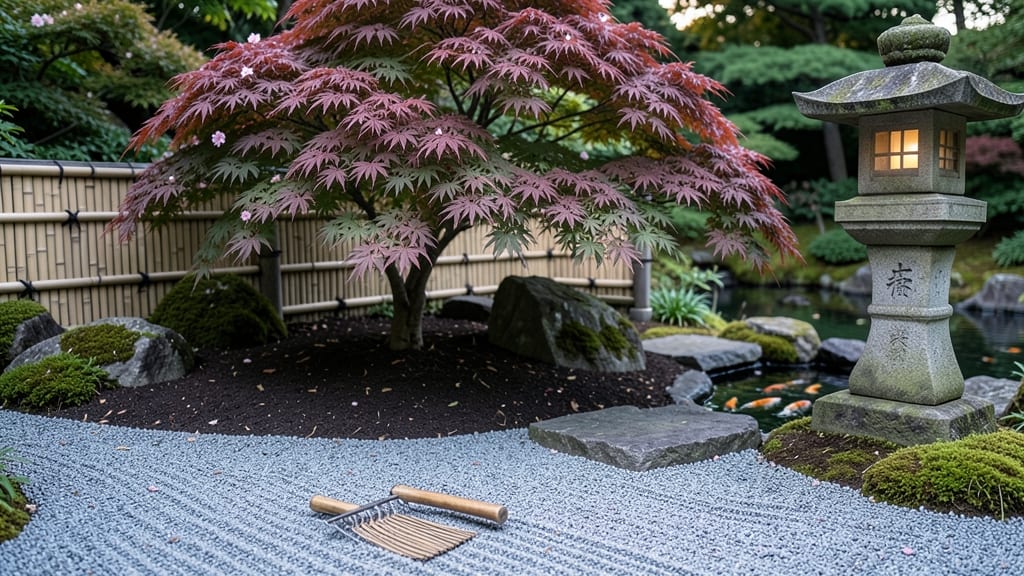
A Japanese garden in Los Angeles creates peaceful Zen spaces by adapting traditional elements like koi ponds and moss-covered stones to Southern California's dry climate, with iconic examples at the Getty Museum and Descanso's Japanese Garden.
These gardens thrive by balancing traditional Japanese aesthetics with LA's unique environment.
The dry climate means designers use drought-resistant plants like junipers and maples while incorporating water features that create mist for humidity. 🌿 Many LA gardens also embrace shakkei (borrowed scenery), framing views of nearby mountains or city lights to blend nature with urban surroundings.
The result is a tranquil escape that feels both timeless and distinctly Californian.
What makes LA's Japanese gardens special is their seasonal transformations. Spring brings vibrant cherry blossoms at the Getty, while autumn at Descanso showcases fiery maple leaves against golden grasses. Even in winter, the Japanese Friendship Garden offers serene bamboo groves and stone lanterns glowing in the mild evenings.
Each location has its own rhythm, making them perfect for different moods and times of year.
💡 In This Article
- Design Principles Behind LA’s Japanese Gardens
- Best Japanese Gardens in LA to Visit by Season
Design principles behind LA’s Japanese gardens
LA’s Japanese gardens masterfully adapt traditional principles to Southern California’s climate. The core concept of wabi-sabi—finding beauty in imperfection—manifests through weathered stones and carefully aged wood, but designers use heat-resistant varieties like black locust instead of traditional cedar.
The dry air requires innovative water management: instead of the lush moss of Kyoto, LA gardens use drought-tolerant Japanese forest grass (Hakonechloa macra) that thrives with minimal irrigation while maintaining that signature Zen texture.
Water symbolism takes center stage through carefully engineered ponds and waterfalls that create mist to combat aridity. At the Getty Museum’s garden, a 15-foot-wide koi pond circulates water through a recirculating system that doubles as a humidity regulator.
The placement of stones follows feng shui principles—rounded stones represent mountains, flat stones symbolize water—while their arrangement creates natural windbreaks that reduce evaporation. 🌊 What’s fascinating is how these gardens use shakkei to frame views of the Pacific Ocean or Griffith Observatory, turning urban elements into integral parts of the landscape.
The climate dictates plant selection too. Traditional maples (Acer palmatum) thrive in LA’s mild winters, but gardeners choose varieties like 'Bloodgood' Japanese maple for its vibrant red foliage that lasts through autumn’s 70-80°F days.
Even the iconic cherry blossoms (Prunus serrulata) are carefully selected for early blooming—some varieties like 'Shirofugen' flower in late winter to take advantage of LA’s 55-65°F spring temperatures before summer heat arrives.
Stone placement reveals another adaptation: traditional Japanese gardens use granite boulders from nearby quarries, but LA gardens often incorporate local sandstone that weathers differently in the sun. The result is a visual texture that feels both ancient and distinctly Californian.
Designers also use sunken stone lanterns filled with water to create cooling microclimates—when temperatures hit 90°F+, these lanterns become focal points where visitors can sit in shaded comfort. 💫
One often-overlooked principle is sound design. The absence of birdsong in traditional Japanese gardens is replaced in LA by the gentle rush of water features and the rustling of bamboo (Phyllostachys aureosulcata) planted at strategic heights.
At Descanso’s garden, the 12-foot bamboo grove creates a natural windbreak while its hollow stems amplify water sounds from nearby streams, creating an immersive auditory experience that enhances the meditative atmosphere.
What most visitors don’t realize is how these gardens use color psychology to create seasonal harmony. In spring, the pink and white cherry blossoms contrast with the garden’s neutral tones, while autumn brings crimson maple leaves that echo the reds of nearby California poppies.
Even in winter, the evergreen junipers provide structure against the pale sky, demonstrating how LA’s gardens maintain visual interest year-round through thoughtful plant combinations.