
Tools
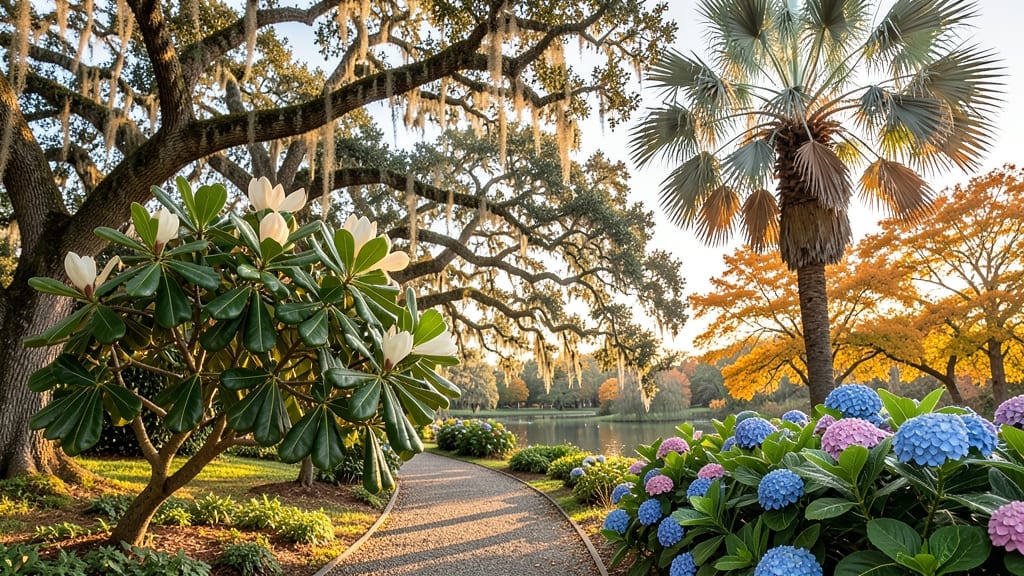
The largest botanical garden in the US is the New York Botanical Garden, covering 250 acres as a single contiguous site, while the United States Botanic Garden in Washington, D.C. spans 20 acres across multiple locations. Both showcase diverse plant collections, research initiatives, and visitor-friendly exhibits.
The New York Botanical Garden's massive 250-acre campus makes it the undisputed largest single-site botanical garden in the country, offering sprawling outdoor trails, themed gardens, and the iconic Enid A. Haupt Conservatory. 🌿 Meanwhile, the United States Botanic Garden's smaller footprint is spread across downtown D.C., blending historic architecture with rare plant displays.
Both gardens stand out for their conservation efforts and educational programs, though NYBG's size allows for more immersive nature experiences during seasonal blooms.
What sets these gardens apart isn't just acreage but their distinct visitor experiences. The New York Botanical Garden's continuous landscape lets you explore without backtracking, while the U.S. Botanic Garden's urban locations make it more accessible for city visitors.
Both gardens offer free admission, though NYBG's extensive collections may require timed entry during peak seasons.
💡 In This Article
- Comparing the US’s Largest Botanical Gardens by Size and Features
- Planning Your Visit to America’s Most Impressive Botanical Gardens
Comparing the US’s largest botanical gardens by size and features
The New York Botanical Garden's 250-acre contiguous campus creates a self-contained ecosystem where visitors can wander for hours without retracing steps. This sprawling layout includes 50 themed gardens, from the Japanese Hill-and-Pond Garden to the Desert Plant Garden featuring cacti from 12 countries.
The Enid A. Haupt Conservatory, a 50,000-square-foot glasshouse, houses rare tropical plants like the Victoria amazonica, whose leaves can support a child's weight. 🌿 Meanwhile, the United States Botanic Garden's 20 acres are strategically placed in three D.C. locations, allowing urban visitors to experience botanical wonders without leaving the city center.
The scale difference extends to plant collections: NYBG maintains over 8,000 plant species in its living collections, while the U.S. Botanic Garden focuses on 20,000 specimens across its greenhouses and outdoor displays.
NYBG's Bronx River Parkway location provides naturalistic trails through woodlands and meadows, while the U.S. Botanic Garden's Barney Circle Conservatory features rare orchids and ferns in a Victorian-era greenhouse.
Both gardens prioritize conservation—NYBG's Institute of Tropical Forest Conservation works globally, while the U.S. Botanic Garden's Center for Plant Conservation preserves endangered native species.
Visitor experience varies dramatically: NYBG's size allows for immersive nature walks, while the U.S. Botanic Garden's urban locations make it more accessible for quick visits. NYBG's seasonal blooms (like the 20,000 tulips in spring) attract crowds, while the U.S. Botanic Garden's year-round greenhouse exhibits provide consistent interest.
Both gardens offer free admission, but NYBG's popularity may require timed entry during peak seasons.
Consider these key differences when planning your visit:
- Space: NYBG's 250 acres offer expansive exploration, while USBG's 20 acres are concentrated in urban locations
- Collections: NYBG focuses on diverse outdoor gardens, USBG emphasizes rare greenhouse specimens
- Accessibility: USBG's downtown D.C. locations suit short visits, NYBG's Bronx location requires more time
- Seasonal Highlights: NYBG's spring blooms vs. USBG's year-round greenhouse displays
The U.S. Botanic Garden's historic 1850 building and Barney Circle Conservatory (built in 1933) showcase architectural beauty, while NYBG's modern glasshouses and landscape designs create striking visual experiences. Both gardens demonstrate how scale and location shape botanical exploration—whether you prefer sprawling nature or urban plant encounters. ✨