
Planting
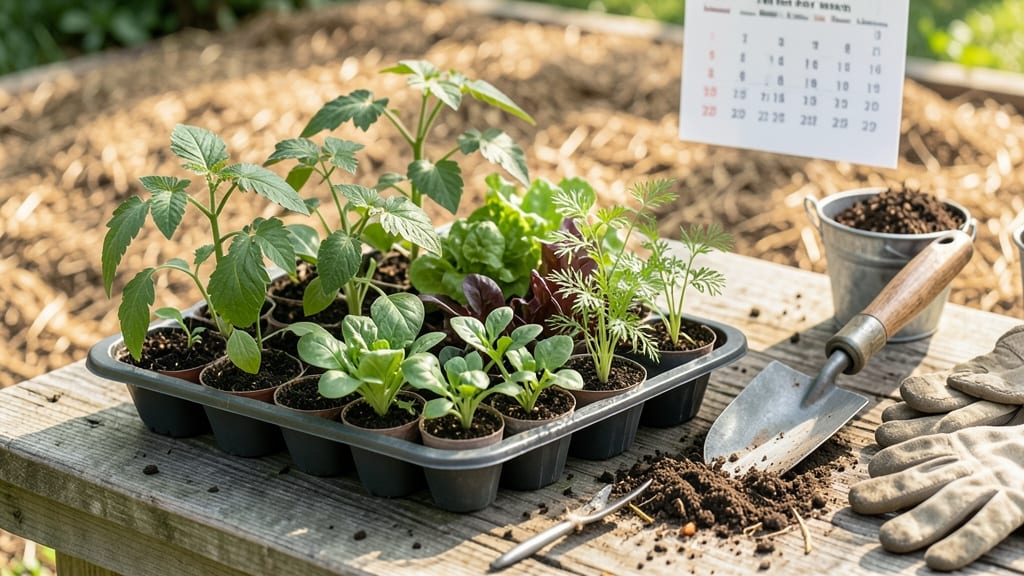
To plant a vegetable garden in New York, aim for late April to early May in Zones 5-7 — timing that balances frost risk with warm soil for strong starts 🌱.
New York’s unpredictable frost dates can make or break your vegetable garden—plant too early, and you risk losing your crops to late frosts; too late, and you miss peak harvests. But with precise timing tailored to Zones 5-7, you can maximize your garden’s potential.
Upstate gardeners in Zone 5 should wait until after April 15, while NYC’s Zone 7 can start as early as March 15 for heat-loving crops. The key is soil temperature: wait until it reaches 60°F for tomatoes and peppers, or 40°F for cool-season veggies like lettuce.
Below, I’ll break down exact planting windows by crop, microclimate adjustments for urban vs. rural areas, and 5 pro tips to extend your growing season—so you can enjoy fresh harvests from June through October.
New York’s exact frost dates by Zone: when to plant cool-season vs. warm-season crops
New York’s USDA Zones 5-7 experience wildly different frost patterns, making timing everything for your vegetable garden.
In Zone 5 (Upstate NY), average last frost dates range from April 15–May 1, while Zone 6 (Central NY) sees frost-free conditions by April 1–April 30. Zone 7 (Long Island/NYC) enjoys the earliest start, with frost typically ending by March 15–April 15.
These dates separate cool-season crops (like lettuce and spinach) from warm-season crops (tomatoes and peppers) that need consistent warmth.
Cool-season vegetables thrive when soil temperatures stay below 70°F. Plant spinach and kale as early as late March in Zone 7 or mid-April in Zone 5, but protect them with row covers if frost lingers. Radishes and peas can even handle light frosts, sprouting faster in cooler weather.
Warm-season crops, however, demand patience—tomatoes and peppers won’t tolerate frost and need soil temps above 60°F to germinate.
Here’s the critical rule: Wait until after your zone’s last frost date to plant warm-season crops like cucumbers and beans. In Zone 5, that means holding off until May 10–20, while Zone 7 gardeners can start as early as April 20.
For cool-season crops, you have a wider window—sow lettuce and carrots 4–6 weeks before your last frost, or again in late summer for a fall harvest.
For warm-season crops, timing is everything—plant tomatoes and peppers too early, and they’ll bolt or rot.
In Zone 5, start seeds indoors by March 1 for transplants ready by May 10. Zone 7 gardeners can direct-sow beans and squash as early as April 15, but always check soil temps with a soil thermometer (aim for 60°F+).
Pro tip: Use black plastic mulch to warm soil faster in cooler zones.
Don’t overlook fall planting—it’s your second chance for cool-season crops!
Sow spinach and radishes by August 15 in Zone 5 or September 1 in Zone 7 for harvests before the first frost. Broccoli and cauliflower need 60–80 days to mature, so time your planting so they’re ready by October 15 in Zone 5.
Use row covers to extend harvests into November if temps stay mild.
Microclimates complicate things—urban areas like NYC (Zone 7b) can be 5–10°F warmer than rural Zone 5 farms, allowing earlier planting. Conversely, coastal zones (e.g., Long Island) have softer winters, letting you push fall crops later.
Always scout your garden’s microclimate: South-facing walls warm up faster, while shady spots stay cooler longer. Adjust your planting dates by
How to adjust planting times for New York’s microclimates (urban vs. rural vs. coastal)
New York’s diverse landscapes create microclimates that can shift planting times by weeks. Your neighbor’s thriving tomatoes might be due to their urban heat island effect, while your rural plot faces delayed springs. Understanding these differences helps you align planting with your exact conditions.
In urban areas, concrete and buildings trap heat, warming soil 1–2 weeks earlier than rural zones. This means you can plant warm-season crops like tomatoes and peppers 2 weeks ahead of official frost dates. Meanwhile, rural gardens often experience colder, slower soil warming, requiring a 1-week delay for safety.
Coastal regions present another challenge: milder winters but cooler summers. Here, you can extend your fall harvests by planting cool-season crops like kale or spinach 3 weeks later than inland areas. The key is adjusting your calendar based on your specific microclimate type.
| Microclimate Type | Adjustment for Warm-Season Crops | Adjustment for Cool-Season Crops | Key Factor |
|---|---|---|---|
| Urban | Plant 2 weeks earlier | Plant 1 week later | Heat retention from buildings |
| Rural | Plant 1 week later | Plant 2 weeks earlier | Cooler soil temperatures |
| Coastal | Plant 1 week earlier | Plant 3 weeks later | Moderate temperatures year-round |
To fine-tune your planting schedule, observe your garden’s local patterns for 3 years. Note when soil reaches 50°F—the ideal temperature for planting. In cities, use rooftop gardens or containers to capitalize on heat, while rural gardeners should prioritize windbreaks to protect young plants.
For coastal gardeners, focus on late-season varieties that thrive in cooler soils. Try broccoli or carrots for extended harvests. Urban gardeners can experiment with fast-maturing tomatoes like 'Early Girl' to take advantage of early warmth. Always check your local weather forecasts in late April for final adjustments.
Remember, these adjustments are about risk management. If you’re unsure, start with small test plots of your most valuable crops. This way, you’ll learn your microclimate’s quirks without losing your entire garden to a late frost or missed harvest window.