
Flowers
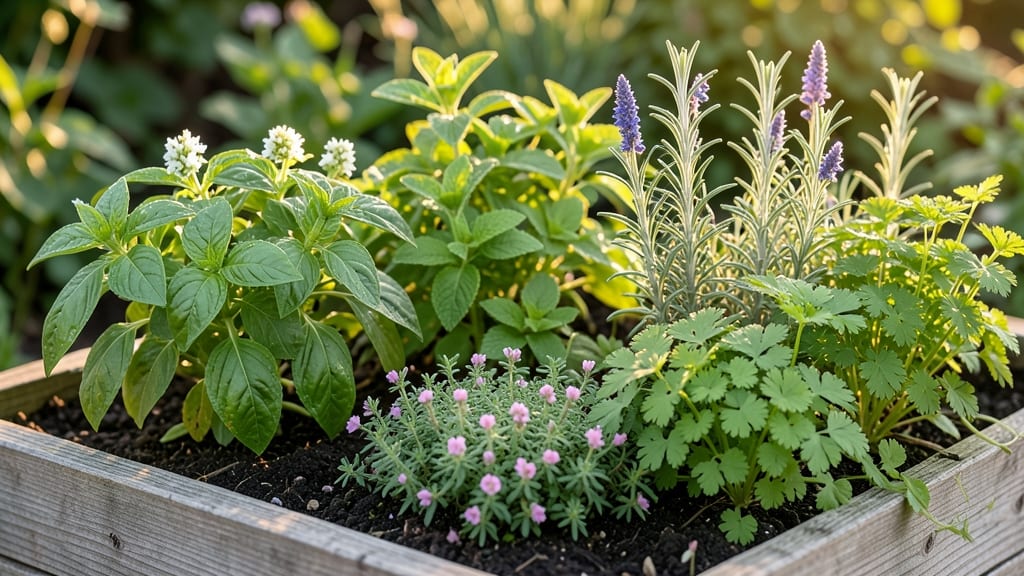
Many gardeners believe certain edible herbs like parsley, cilantro, and dill are purely ornamental or lack strong culinary value, but these plants offer distinct flavors and nutritional benefits when used correctly in cooking and medicine.
This misconception stems from how these herbs are traditionally used—often as garnishes or in small amounts where their unique flavors get overshadowed. 🌿 For example, parsley's bright, slightly bitter notes shine in pestos and sauces, while dill's anise-like kick elevates seafood and pickles.
Many gardeners grow them without realizing their full potential in dishes beyond salads or garnishes. The key lies in understanding their flavor profiles and pairing them intentionally with complementary ingredients.
What's fascinating is how growing conditions directly impact their potency. Herbs like cilantro, which some people love and others can't stand, develop stronger flavors when grown in cooler temperatures. This means your homegrown cilantro might taste completely different from store-bought—often more vibrant and aromatic.
The same goes for dill, which reaches peak flavor when harvested just before it fully blooms. These nuances explain why many gardeners underestimate their culinary power.
💡 In This Article
- Why Popular Edible Herbs Are Often Misunderstood in the Kitchen
- Best Culinary Uses for Overlooked Garden Herbs
Why popular edible herbs are often misunderstood in the kitchen
The reason many gardeners overlook herbs like parsley and dill comes down to their complex flavor chemistry. Parsley, for instance, contains apiol and myristicin, compounds that give it a sharp, slightly bitter edge when raw.
This profile gets mellowed in cooking, which is why it’s often dismissed as "just garnish." Meanwhile, dill’s flavor comes from carvone and limonene, which create that signature anise-like warmth—perfect for balancing rich or fatty dishes, but easily lost if used sparingly. 🌿
Botanical science plays a huge role here. Herbs like cilantro (which some people love, others hate) contain aldehyde compounds that create its citrusy, soapy notes. When grown in cooler climates, these compounds concentrate, making homegrown cilantro taste far more intense than store-bought.
Similarly, dill’s potency peaks when harvested before flowering, when its essential oils are at their strongest. Many gardeners harvest too late, missing the window for maximum flavor.
Cultural habits also shape perceptions. In Mediterranean cuisine, parsley is a staple in pesto and tabbouleh, where its bright, peppery notes cut through rich ingredients like pine nuts and olive oil.
Yet in other traditions, it’s relegated to garnishes. The same goes for dill—its bold flavor elevates pickles and fish dishes, but its complexity is often underestimated outside these contexts.
Nutritionally, these herbs pack surprising benefits. Parsley is rich in vitamin K (100g provides 1,640% DV), while dill contains antioxidants that may aid digestion. Yet their small size and mild aroma in raw form lead many to assume they’re "just for looks."
The truth? Their flavors and benefits are highly context-dependent—they need the right dish to shine.
Consider this: a single tablespoon of fresh dill can transform a simple potato salad from bland to vibrant, thanks to its carvone content. Similarly, parsley’s volatile oils release when chopped, adding depth to soups or stews. The key is using them strategically—not as afterthoughts, but as flavor anchors.
What’s often missed is how these herbs interact with other ingredients. For example, dill’s anise notes complement citrus and seafood, while parsley’s bitterness balances creamy sauces. Understanding these pairings unlocks their full potential in cooking. 💛