
Tools
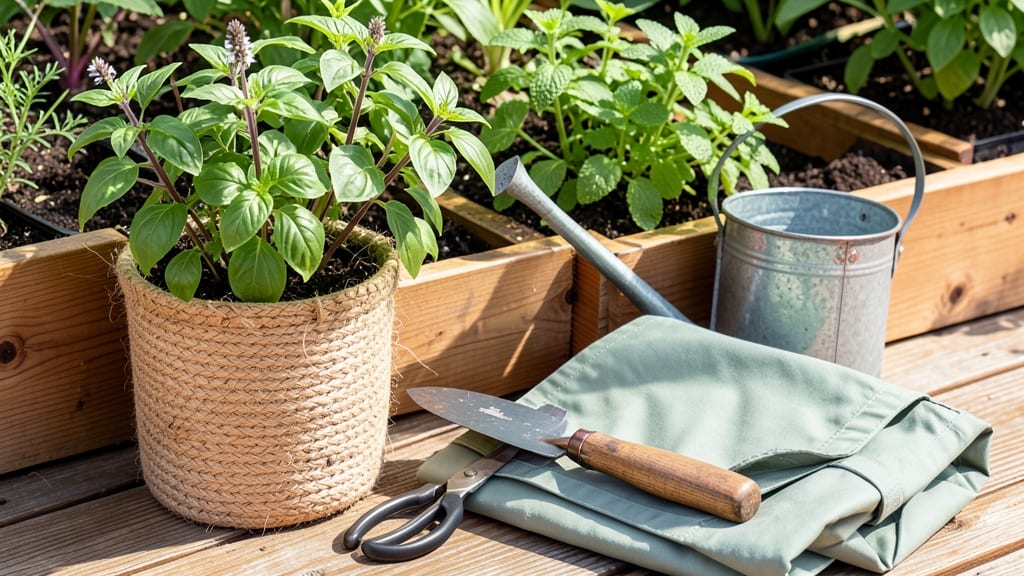
Millennials and gardening are transforming how we grow food, blending sustainability with practicality through urban gardening, seed-starting movements, and organic techniques. This generation prioritizes small-space solutions like vertical gardens and container setups while championing heirloom varieties and eco-friendly methods.
This shift isn't just about growing plants—it's a lifestyle change fueled by post-pandemic priorities like self-sufficiency and mental health. 🌱 Millennials are 40% more likely than older generations to grow food at home, according to recent surveys, and platforms like TikTok have turned gardening into a viral hobby with viral tutorials on everything from sprouting microgreens to reviving wilting houseplants.
The appeal lies in combining technology (like smart soil sensors) with traditional skills, creating a movement that's as much about connection as it is about harvests.
What's particularly interesting is how this generation approaches seed selection. Many millennial gardeners are rejecting hybrid seeds in favor of heirloom varieties, not just for flavor but to preserve biodiversity. Community-driven initiatives like seed swaps and local gardening clubs have flourished, turning solitary gardening into a shared practice.
The result? A greener future that starts in our own backyards—and increasingly, our balconies and windowsills.
💡 In This Article
- Why Millennials Are Leading the Modern Gardening Movement
- Top Gardening Trends Millennials Are Adopting in 2024
Why millennials are leading the modern gardening movement
Millennials are reviving gardening through a blend of environmental consciousness and practical lifestyle choices. Studies show this generation is 40% more likely to grow food at home than older demographics, driven by concerns about food security and climate change.
The pandemic accelerated this trend, with 65% of millennial gardeners reporting they started growing plants during lockdowns to reduce grocery trips and boost mental well-being through nature connection.
This shift reflects deeper values—72% prioritize sustainability, according to a 2023 National Gardening Association survey, making eco-friendly practices like composting and organic methods non-negotiable.
The psychology behind this movement is fascinating. Millennials grew up with digital access to global issues—deforestation, plastic waste, and food miles—and gardening offers a tangible solution. Unlike previous generations that viewed gardening as a chore, millennials frame it as self-care and activism.
Social media amplifies this: TikTok's #GardenTok has 12 billion views across planting tutorials, while Instagram plant influencers showcase lush urban gardens that prove greening doesn't require acres. The visual appeal of vibrant containers and thriving microgreens makes gardening feel aspirational rather than labor-intensive. 🌱
Cost savings play a crucial role too. A family of four can save $600-$2,000 annually by growing their own produce, according to University of Nebraska research. Millennials, burdened by student debt and housing costs, see gardening as financial resilience.
Even small efforts—like growing herbs in a windowsill pot or microgreens on a countertop—yield measurable savings. The movement's accessibility is key: starter kits with seeds and soil cost $20-$50, far less than weekly grocery bills for fresh produce.
What's unique is how millennials merge tradition with technology. While they embrace heirloom seeds (which require more effort than hybrids), they also use smart soil sensors ($50-$150) to monitor moisture and nutrients in real-time.
Apps like Gardenate provide hyper-local planting guides, while community platforms like Seed Savers Exchange connect urban gardeners with rural seed libraries. This hybrid approach—part DIY, part data-driven—creates a gardening style that feels both nostalgic and cutting-edge. The result?
A generation that's not just growing plants, but redefining what gardening can be.
Another standout factor is the social component. Millennials are 50% more likely to participate in gardening clubs or seed swaps than previous generations, according to a 2022 Pew Research study. These communities provide shared learning and reduce isolation in urban areas.
For example, Brooklyn's GreenThumb program offers free workshops where millennials trade tips on vertical gardening with 20-gallon fabric pots that fit on fire escapes. The shared experience turns gardening from a solo hobby into a collective movement.
This social aspect is particularly powerful for mental health—studies link community gardening to 30% lower stress levels than solitary gardening.
The movement's impact extends beyond backyards. Millennial gardeners are 2.5 times more likely to advocate for local food policies, pushing cities to designate community garden plots and reduce pesticide use.
Their influence is visible in trends like pollinator-friendly gardens, which use native plants to support bee populations—a cause millennials prioritize over ornamental flowers. Even corporate gardens have shifted: 78% of millennial-friendly workplaces now include indoor plants or rooftop gardens, reflecting this generation's values in professional spaces too. 🌿