
Tools
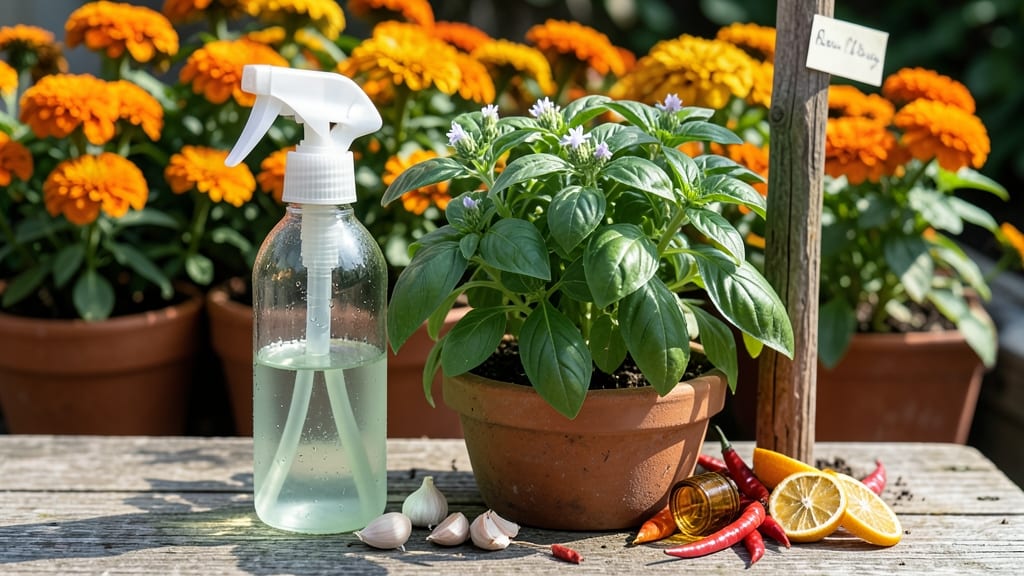
Creating natural garden repellents effectively deters pests like deer, rabbits, and insects using plant-based ingredients such as garlic, chili peppers, or essential oils that protect your garden without harming ecosystems or pollinators. Combine simple household items like vinegar, soap, or citrus peels for safe, chemical-free solutions.
These plant-based solutions work by leveraging natural compounds that pests find unpleasant or disruptive. 🌱 For example, garlic's sulfur compounds mask scent trails that attract insects, while capsaicin in chili peppers irritates sensitive animal noses.
Essential oils like peppermint or eucalyptus contain compounds that interfere with pests' nervous systems, creating an inhospitable environment without synthetic chemicals. The beauty of these methods lies in their dual effectiveness—they repel unwanted visitors while preserving the delicate balance of your garden's ecosystem.
When applying these repellents, timing and consistency matter most. Most recipes require reapplication every 1-2 weeks or after heavy rain.
For instance, a garlic-neem spray for aphids should be reapplied weekly during peak infestation periods, while a hot pepper spray for rabbits may last longer but should be refreshed after downpours. Always test small areas first to ensure plant compatibility, especially with citrus-based solutions that can harm some flowering plants.
💡 In This Article
- How Natural Ingredients Work Against Garden Pests
- Top 5 DIY Natural Repellent Recipes for Common Garden Threats
How natural ingredients work against garden pests
Garlic's power as a natural repellent comes from its high concentration of sulfur compounds, particularly allicin, which forms when garlic cloves are crushed or chopped. These compounds release a strong odor that confuses insects' olfactory systems, masking the scent trails they use to locate plants.
Studies show that garlic extracts can repel up to 90% of aphids when applied directly to foliage, thanks to its ability to disrupt their feeding cues. 🌱 The sulfur compounds also act as a mild irritant to soft-bodied insects like caterpillars and mites, making them seek alternative food sources.
Chili peppers leverage capsaicin, the compound that makes them hot to humans, but works differently on animals. For mammals like rabbits and deer, capsaicin triggers an immediate discomfort response when inhaled or encountered on foliage.
A 1-2% capsaicin solution (about 1-2 tablespoons of cayenne pepper per gallon of water) creates an invisible barrier that deters these pests without harming plants.
Research from the University of Florida found that hot pepper sprays reduced rabbit damage by 75% when reapplied every 7-10 days, proving its effectiveness as a non-lethal deterrent.
Essential oils like peppermint and eucalyptus contain monoterpenes, which disrupt pests' nervous systems at the cellular level. These compounds interfere with neurotransmitter function, creating confusion and disorientation in insects like ants and slugs.
A 10% dilution (10 drops of oil per cup of water) applied as a foliar spray creates a protective layer that lasts 2-3 weeks between rainfalls.
The oils' strong aroma also serves as a psychological deterrent—many pests avoid areas where they detect these scents, similar to how humans avoid strong perfumes in certain spaces.
Vinegar's acetic acid works through a different mechanism: it alters the pH balance of soil and plant surfaces, creating an environment that pests find inhospitable. A 1:1 vinegar-water solution applied to garden paths or mixed with water for spraying disrupts the microbial communities that some insects rely on for navigation.
While vinegar is most effective against soft-bodied insects and slugs, it should be used cautiously around plants sensitive to acidity, like azaleas or blueberries, which prefer slightly acidic soils but can be damaged by concentrated solutions.
Citrus peels contain limonene and other terpenes that act as natural solvents, breaking down the waxy coatings on leaves that protect plants from dehydration. While this makes plants more vulnerable to environmental stress, it also disrupts the feeding patterns of pests like aphids and whiteflies.
The citrus scent confuses their host-finding mechanisms, making treated plants less attractive. However, citrus-based repellents should never be used near butterfly gardens, as the strong scent can disorient adult butterflies searching for host plants for their larvae.
What makes these natural repellents particularly effective is their multi-sensory approach. Most pests rely on a combination of visual cues, scent trails, and chemical signals to locate food sources.
Natural repellents attack all three fronts simultaneously: garlic and essential oils mask scent trails, chili peppers create physical discomfort, and vinegar alters environmental conditions. This comprehensive disruption is why these methods often outperform single-component chemical sprays, which typically target only one sensory channel. 💫