
Tools
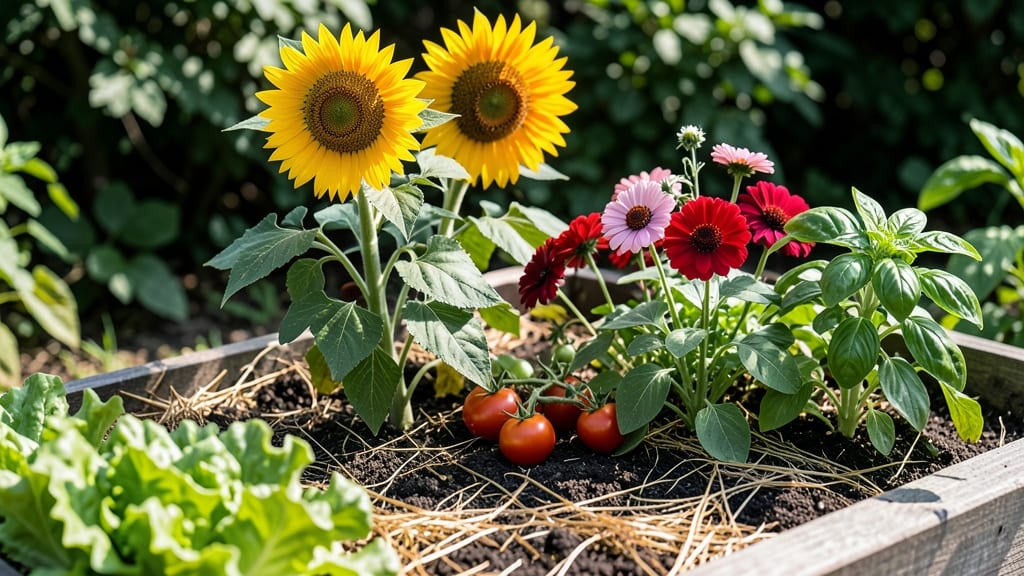
The PBS Garden Show plans episodes by working closely with horticulturists to create content that aligns with seasonal planting cycles, regional growing conditions, and educational goals for home gardeners. Each episode blends expert advice with hands-on demonstrations to make gardening accessible and inspiring throughout the year.
The show's approach starts with a deep dive into regional growing patterns and climate data, ensuring topics remain relevant to viewers across different zones. 🌱 Hosts like Joe Lamp'l and P. Allen Smith collaborate with botanists to select plants that thrive in specific seasons—think spring bulbs for early blooms or cold-hardy perennials for winter interest.
This research-driven method guarantees practical tips that actually work in real gardens, not just theoretical advice.
What sets PBS Garden Show apart is its focus on blending education with entertainment. Each episode demonstrates techniques like soil preparation or pruning in action, making complex concepts feel approachable.
Whether you're a beginner or seasoned gardener, the show's structure ensures you leave with actionable takeaways for your own green space.
💡 In This Article
- How PBS Garden Show Hosts Research Seasonal Planting Trends
- Top Seasonal Planting Tips Featured on PBS Garden Show
How PBS garden show hosts research seasonal planting trends
Behind every PBS Garden Show episode lies months of research that begins with climate data analysis. The production team works with horticulturists to identify which plants perform best in specific USDA hardiness zones—like Zone 5 for cold-hardy kale or Zone 9 for drought-tolerant lavender.
They cross-reference historical weather patterns with plant lifecycle data to predict which varieties will thrive during filming seasons, ensuring viewers get timely, actionable advice. 🌱
The collaboration extends to regional experts who provide insights on local soil types and microclimates. For instance, when planning a spring episode, hosts might feature tulip bulbs in the Northeast but suggest daffodils for Southern viewers, as daffodils bloom earlier in cooler climates.
This tailored approach prevents generic advice that might fail in specific growing conditions. The team even tests planting schedules in their own demonstration gardens to verify timing recommendations.
Balancing education with engagement requires careful content structuring. Hosts like Joe Lamp'l incorporate what he calls "the 80/20 rule"—80% practical demonstrations with 20% educational context. For example, a segment on companion planting might show how basil enhances tomato flavor while explaining the science behind pest-repelling herbs.
This ratio keeps viewers hooked while ensuring they leave with genuine gardening knowledge. 💡
Viewers often wonder how the show stays ahead of trends. The secret lies in their "plant ahead" strategy—filming winter episodes in late summer or fall to showcase early planting prep. This forward-thinking approach helps gardeners visualize their entire growing season at once.
For instance, a December episode might feature cold-frame gardening techniques that viewers can implement immediately, while also previewing spring seed starting schedules.
Technology plays a surprising role in their research. The team uses soil moisture sensors and weather station data to track real-time conditions during filming. They've even developed a proprietary "plant maturity calculator" that predicts bloom times based on local frost dates.
This data-driven approach allows them to make precise recommendations, like suggesting 10-12 week growth periods for lettuce in Zone 6 gardens. 📊
The final piece of the puzzle is audience feedback integration. After each season, the production team analyzes viewer questions and common gardening challenges to refine future episode topics.
This two-way communication ensures the show remains relevant to both novice gardeners struggling with soil prep and experienced growers seeking advanced techniques like succession planting. The result is a carefully curated educational experience that feels both informative and inspiring.