
Planting
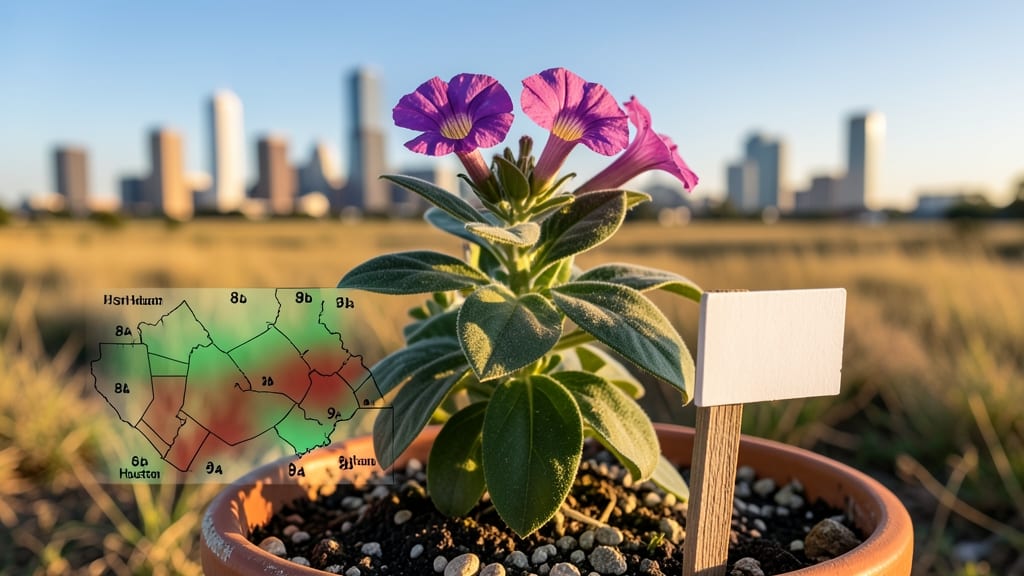
What gardening zone is Houston, Texas in? It’s USDA Hardiness Zone 9a, where mild winters (20–25°F) support subtropical plants like citrus and bougainvillea year-round, though frost-sensitive varieties need seasonal protection.
Houston’s warm climate creates ideal conditions for a wide range of plants, but the 9a classification means you’ll need to plan carefully for occasional cold snaps. 🌿 The city’s humidity and frequent rainfall also influence plant selection—opt for native species like Texas sage or drought-tolerant options like Turk’s cap to thrive with minimal effort.
Understanding these factors helps you create a low-maintenance garden that flourishes in Houston’s unique growing conditions.
For tropical plants that can’t handle even light frost, consider container gardening or moving them indoors during December–February. This simple strategy extends the growing season for delicate varieties while keeping your outdoor space vibrant year-round.
💡 In This Article
- How Houston’s Climate Defines USDA Zone 9a
- Best Plants for Houston’s Zone 9a Garden
How Houston’s climate defines USDA Zone 9a
Houston’s placement in USDA Zone 9a stems from its subtropical climate, where average annual minimum temperatures hover between 20–25°F (-6 to -4°C). The city’s proximity to the Gulf Coast moderates temperatures, preventing extreme cold snaps that plague inland areas.
However, occasional 20°F (-7°C) dips during winter can still stress frost-sensitive plants, making microclimate awareness critical for gardeners.
The urban heat island effect raises temperatures in downtown Houston by 5–10°F (3–6°C) compared to rural areas, creating localized growing zones. Coastal influences also bring higher humidity—often exceeding 80%—which demands well-draining soil to prevent root rot in tropical plants like hibiscus.
Rainfall averages 50 inches (127 cm) annually, with most precipitation occurring in spring and fall, requiring irrigation planning for drought-tolerant species.
Seasonal shifts matter most in Houston’s zone. Spring (March–May) sees rapid temperature swings from 60°F (15°C) to 90°F (32°C), ideal for warm-season crops, while fall (September–November) offers stable 75–85°F (24–29°C) conditions perfect for planting.
Winter’s brief cold periods (3–4 weeks) typically occur in January, when even hardy citrus trees may need temporary protection.
Humidity plays a dual role: it accelerates fungal growth (requiring air circulation) but also reduces water loss, cutting irrigation needs by 20–30% compared to arid zones. This moisture balance explains why Houston’s gardens thrive with subtropical natives like Mexican petunia (Ruellia brittoniana), which blooms year-round with minimal care.
The trade-off? More frequent pest checks for aphids and whiteflies, which flourish in warm, damp conditions.
Soil composition further shapes plant success. Houston’s clay-heavy soils (with 40–50% clay content) drain poorly unless amended with compost or sand. This explains why raised beds or container gardening often yield better results for tropical plants that dislike soggy roots.
The city’s alkaline soil (pH 7.5–8.5) also favors acid-loving plants like azaleas when grown in acidic soil mixes.
Microclimates create exceptions within Zone 9a. North Houston areas near Lake Houston experience 2–3°F cooler nights, while south Houston near Galveston Bay stays 1–2°F warmer year-round. This variance means gardeners should adjust planting timelines by 1–2 weeks based on their specific location within the city.
Understanding these climate nuances helps you select plants that thrive with minimal intervention. For example, Texas sage (Leucophyllum frutescens) handles Houston’s heat and drought naturally, while elephant ears (Colocasia) need afternoon shade and consistent moisture. The key? Match plant needs to your microclimate’s specific conditions.