
Planting
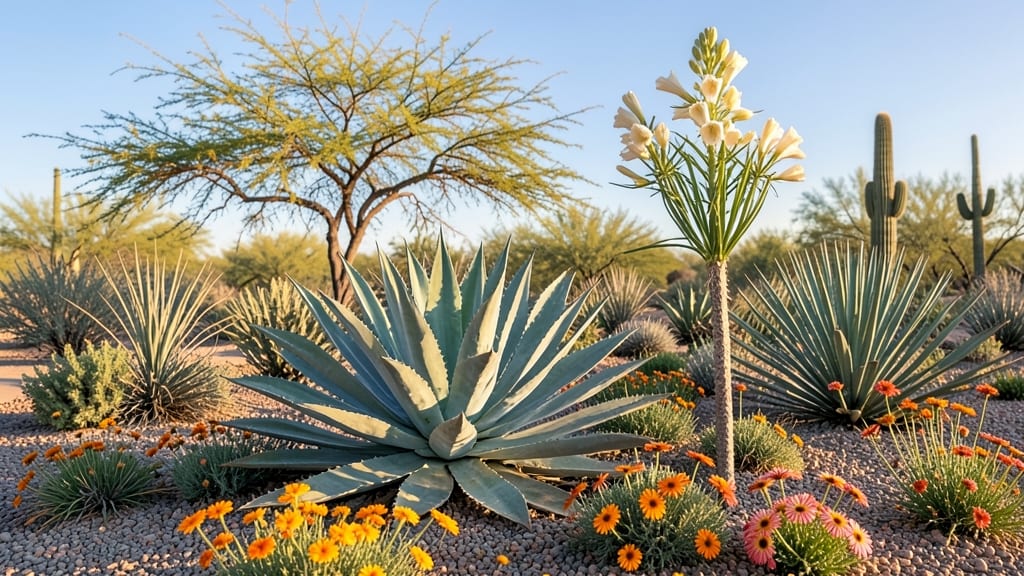
Phoenix gardening thrives in USDA Hardiness Zones 9b to 11a, where scorching summers (110°F+) and mild winters demand careful plant selection. Native desert plants like ocotillo and yucca flourish, while tender species need shade or seasonal adjustments to survive.
Phoenix's desert climate creates micro-zones where temperature swings of 50°F+ between day and night can stress plants. 🌵 The city's elevation and urban heat island effect further complicate growing conditions, especially in areas like Scottsdale versus the Valley.
I've found that even within Zone 10a, container gardening with heat-tolerant soil mixes can extend growing seasons for frost-sensitive plants like citrus or bougainvillea.
For urban gardeners, shade cloths and reflective mulches can lower soil temps by 10-15°F during peak summer, while drip irrigation systems with 3-4 hour cycles prevent root shock. The key is matching plant needs to specific microclimates—your north-facing patio might support tomatoes while your south-facing yard requires desert-adapted succulents.
💡 In This Article
- Phoenix’s Unique Hardiness Zones Explained
- Microclimate Gardening Hacks for Phoenix
Phoenix’s unique hardiness zones explained
Phoenix sits squarely in USDA Hardiness Zones 9b through 11a, where the real magic happens between 25°F and 50°F minimum winter temperatures. This range might sound broad, but what truly defines Phoenix gardening is the city's 110°F+ summer heat combined with bone-dry air—humidity rarely exceeds 20%.
These conditions create a paradox where some plants freeze in winter while others wilt in summer. For example, a Zone 10a plant like a Mexican sunflower can handle 15°F dips but will struggle if soil temps exceed 95°F for prolonged periods.
The desert's intensity forces plants to adapt differently than in coastal or mountain regions. Take desert willows (Chilopsis linearis)—they thrive in Phoenix's Zone 9b because their deep taproots access moisture 20+ feet underground, while their silvery leaves reflect 70% of sunlight.
Compare that to a Zone 10a citrus tree in nearby Scottsdale, which needs afternoon shade to prevent leaf scorch from 115°F afternoon sun. The key difference? Phoenix's urban heat island effect can push microclimate temps 5-10°F higher than rural areas just 10 miles away.
What most gardeners overlook is how Phoenix's elevation variations create natural microclimates. South Mountain's 2,600-foot elevation might see 10°F cooler nighttime temps than downtown, while the Salt River Valley can experience heat inversion layers trapping warmth near the ground.
This is why a Zone 11a plant like a palo verde tree can survive downtown but may struggle in higher elevations where 32°F frosts occasionally occur. The solution? Test your microclimate with a minimum-maximum thermometer for 2 weeks to identify your exact growing conditions.
Soil composition adds another layer of complexity. Phoenix's native caliche soil (a mix of clay, sand, and limestone) drains poorly when wet but becomes rock-hard when dry.
Amending with 30% compost and 20% perlite improves drainage while retaining moisture—critical for Zone 10b succulents like agave that need 60% less water than their coastal cousins. The science here is simple: water retention meets root aeration, and Phoenix's extreme conditions demand both.
Seasonal timing matters just as much as hardiness zones. Spring planting (March-April) aligns with 60°F soil temps, perfect for warm-season crops, while fall (September-October) avoids 100°F+ soil that can fry tender seedlings.
I've seen Zone 9b tomatoes bolt when planted in April heat, while Zone 11a bougainvillea needs winter protection from 28°F dips—even in Phoenix's mildest winters. The takeaway? Your planting calendar should follow soil temperatures, not just air temps.
One final pro tip: Phoenix's wind patterns create their own microclimates. The Santa Ana winds can dry out plants in 24 hours, while afternoon breezes cool south-facing walls by 15°F.
Positioning windbreaks (like yucca plants) on the west side of beds shields delicate foliage from 30 mph gusts that can desiccate leaves faster than heat alone. 🌵