
Tools
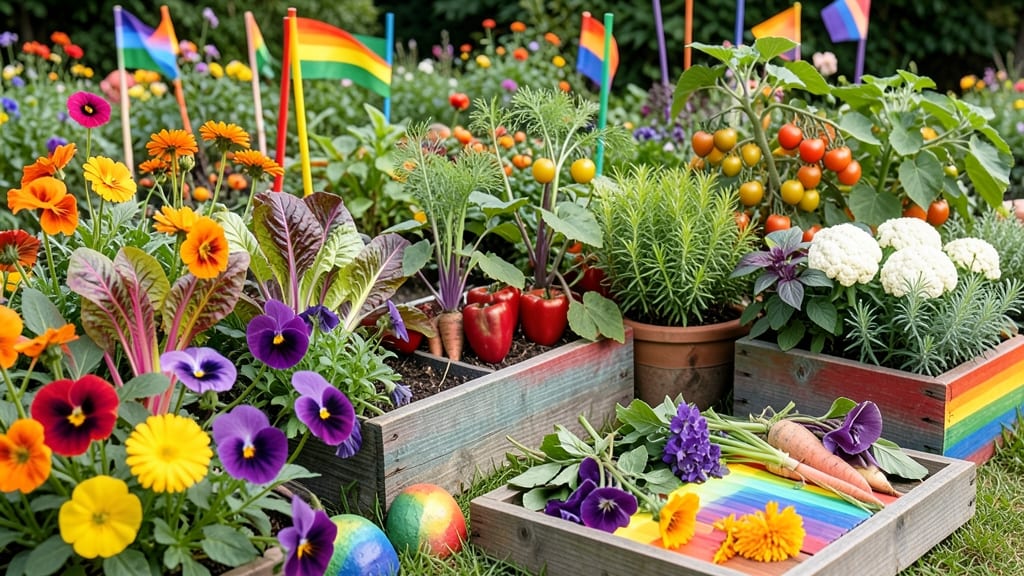
A rainbow garden menu creates vibrant, flavorful harvests by pairing edible plants with complementary colors—like deep purple eggplant with ruby-red tomatoes and golden carrots—to enhance both visual appeal and nutritional balance.
A rainbow garden menu isn't just about aesthetics—it's a strategic approach to growing plants whose colors and flavors naturally complement each other. 🌈 For example, pairing purple cabbage with orange bell peppers doesn't just look stunning; it also maximizes nutrient absorption, as the anthocyanins in purple veggies work synergistically with the vitamin C in citrus-hued produce.
This method also simplifies meal planning by ensuring your harvests align with seasonal colors, creating cohesive dishes that feel both intentional and effortless.
The beauty of this system lies in its adaptability. Whether you're working with a small urban garden or a sprawling backyard, you can curate combinations that thrive in your specific climate.
In warmer regions, try pairing heat-loving tomatoes with basil's purple varieties, while cooler climates might focus on deep greens with golden beets. The key is understanding which plants grow well together and which colors will create the most striking (and delicious) contrasts.
💡 In This Article
- How Color Pairing Enhances Flavor and Nutrition
- Seasonal Rainbow Garden Plant Combinations by Climate
How color pairing enhances flavor and nutrition
The science behind color-based plant pairings lies in the pigments that give vegetables their vibrant hues. Purple produce like eggplant and red cabbage contain anthocyanins, antioxidants that not only create striking colors but also enhance flavor complexity.
These compounds often taste slightly earthy or sweet, which pairs beautifully with the bright acidity of red tomatoes (rich in lycopene) or the crisp sweetness of orange carrots (packed with beta-carotene).
When grown together, these plants create a flavor harmony where the natural sweetness of carrots balances the tang of tomatoes, while the deep umami notes of eggplant bridge the gap.
Nutritional synergy is another key benefit. For instance, pairing purple sweet potatoes with green kale creates a powerhouse combo: the anthocyanins in purple sweet potatoes work with the vitamin K in kale to support better nutrient absorption.
Studies show that combining foods with different pigment types can increase overall antioxidant capacity by up to 30%.
The visual contrast also makes meals more appealing, which encourages people to eat a wider variety of vegetables—something especially important for picky eaters or children who might be more inclined to try colorful dishes than plain green salads.
Seasonal growing compatibility ensures these pairings work seamlessly in your garden. Purple basil, for example, thrives in summer heat alongside red tomatoes, while winter-hardy red kale pairs perfectly with orange butternut squash. The key is selecting plants that mature at similar times so you can harvest them together.
This not only simplifies meal prep but also ensures you're getting the freshest flavors and highest nutrient levels. 🌱 The right color combinations can even improve soil health, as different plants attract diverse beneficial insects and microbes.
Flavor enhancement works through a phenomenon called sensory contrast. The deep purple hue of heirloom beans, for instance, signals a slightly nutty, earthy taste that contrasts beautifully with the bright, sweet crunch of yellow cherry tomatoes. This contrast makes each flavor component stand out more distinctly.
Similarly, the bright orange of bell peppers adds a crisp, slightly spicy note that complements the creamy texture of purple cauliflower. These visual and taste contrasts make every bite more interesting and satisfying.
Consider the texture dynamics too. Soft purple potatoes pair wonderfully with crisp red radishes, creating a satisfying contrast between creamy and crunchy elements. This texture play isn't just about enjoyment—it also affects digestion.
The fiber content in different colored vegetables works together to promote gut health, with each color group contributing unique digestive benefits. For example, the fiber in green vegetables complements the soluble fiber in orange carrots to create a balanced digestive experience.
What most gardeners don't realize is how color pairing can extend storage life. Purple cabbage, for instance, stores better when grown alongside yellow onions because the onions' sulfur compounds help preserve the cabbage's crispness.
This natural preservation method means you'll have vibrant ingredients available for longer periods, reducing waste and ensuring you always have colorful components for your rainbow garden menu. 💫